
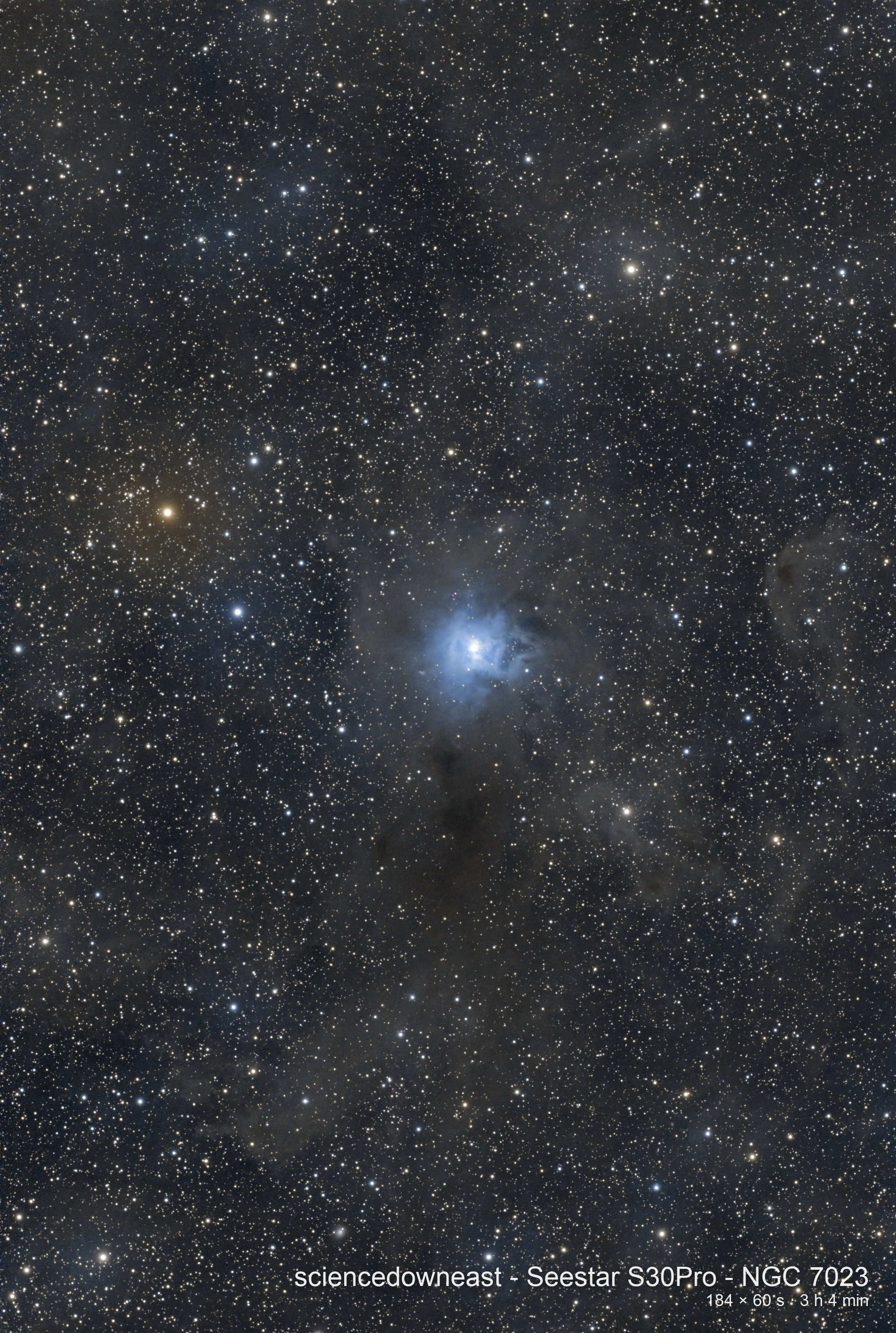
The Iris Nebula is a bright reflection nebula located about 1,300 light years from Earth in the constellation of Cepheus.
- Details
- Hits: 69
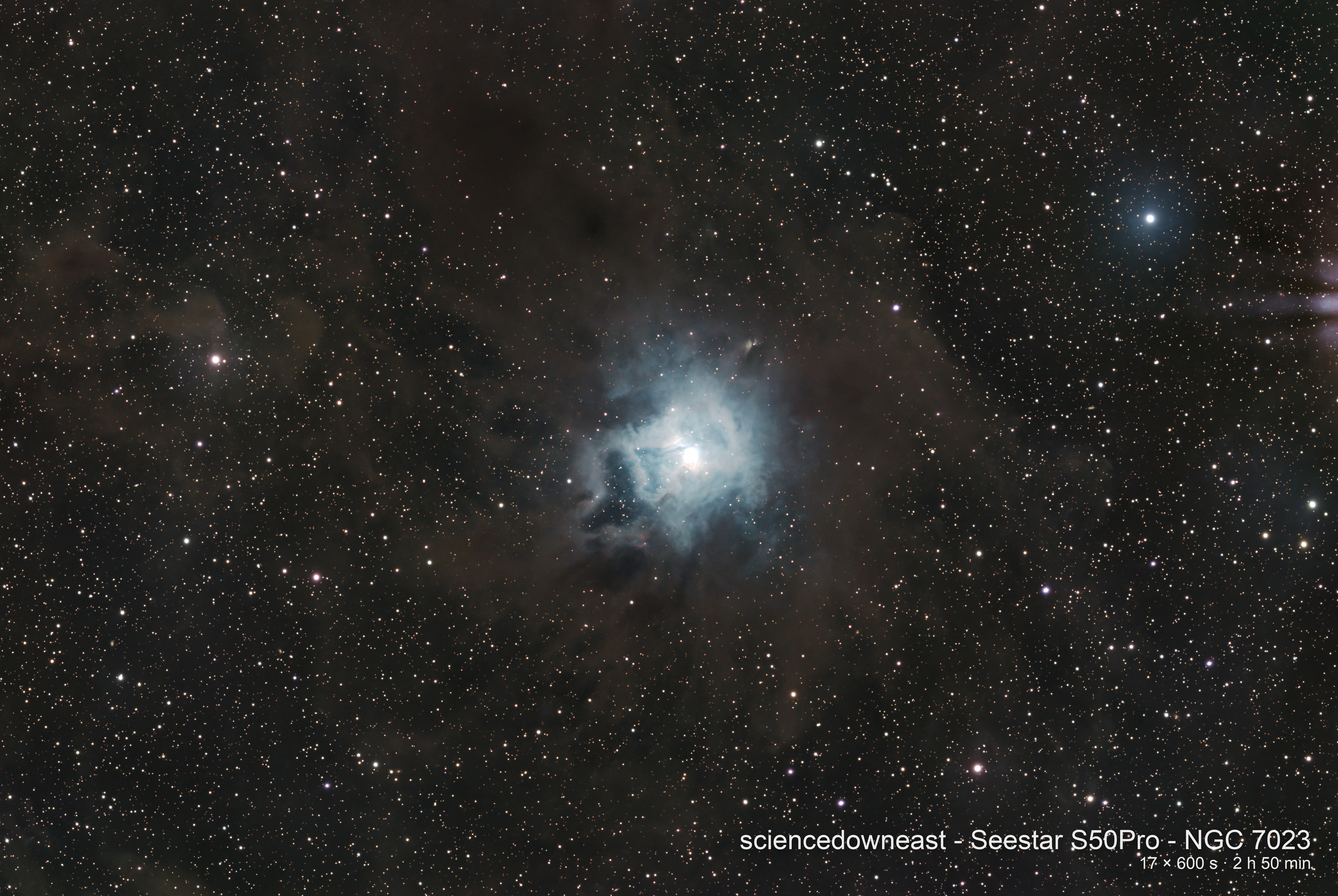
The Iris Nebula is a bright reflection nebula located about 1,300 light years from Earth in the constellation of Cepheus.
- Details
- Hits: 45
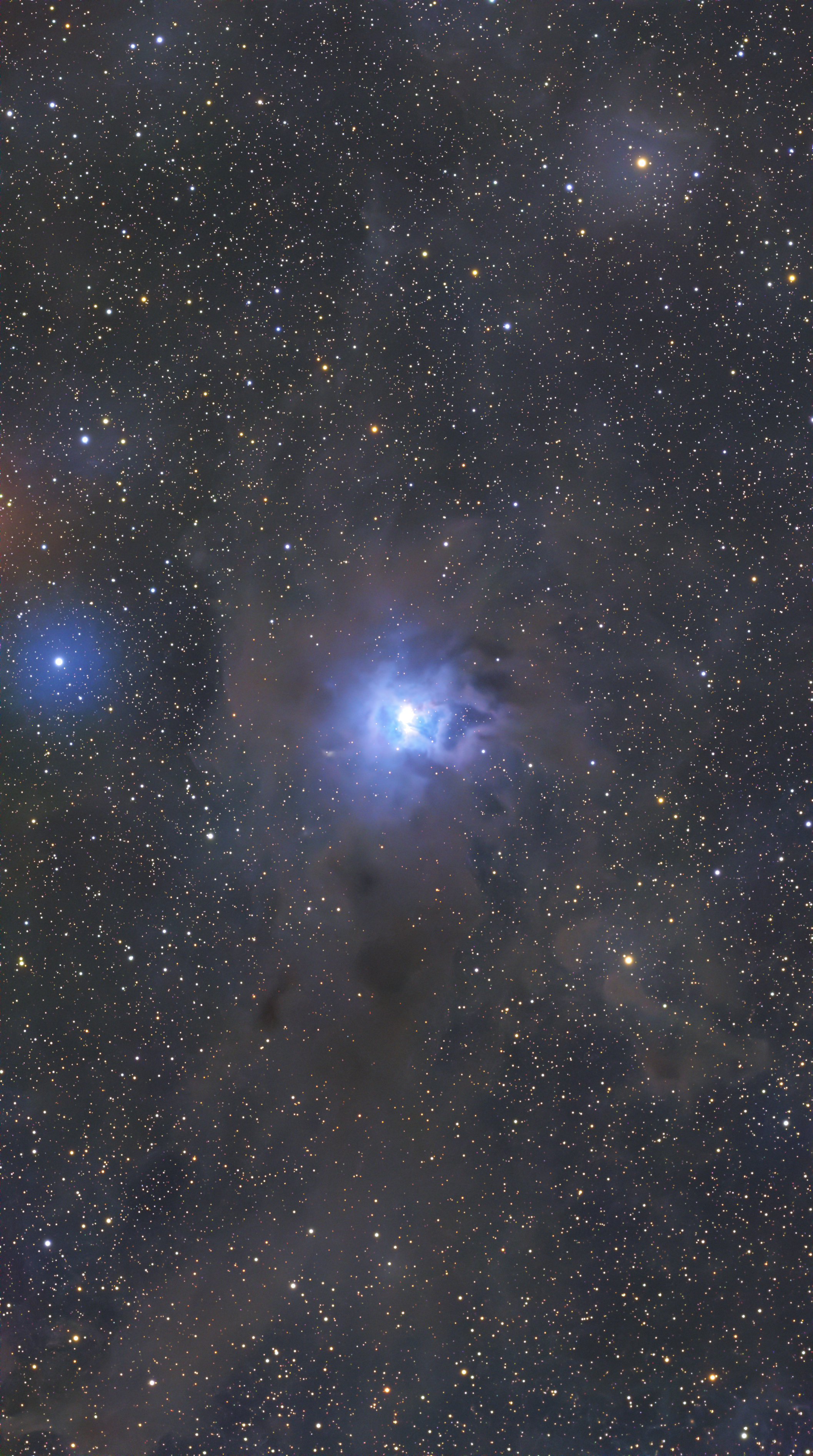
The Iris Nebula is a bright reflection nebula located about 1,300 light years from Earth in the constellation of Cepheus.
- Details
- Hits: 37
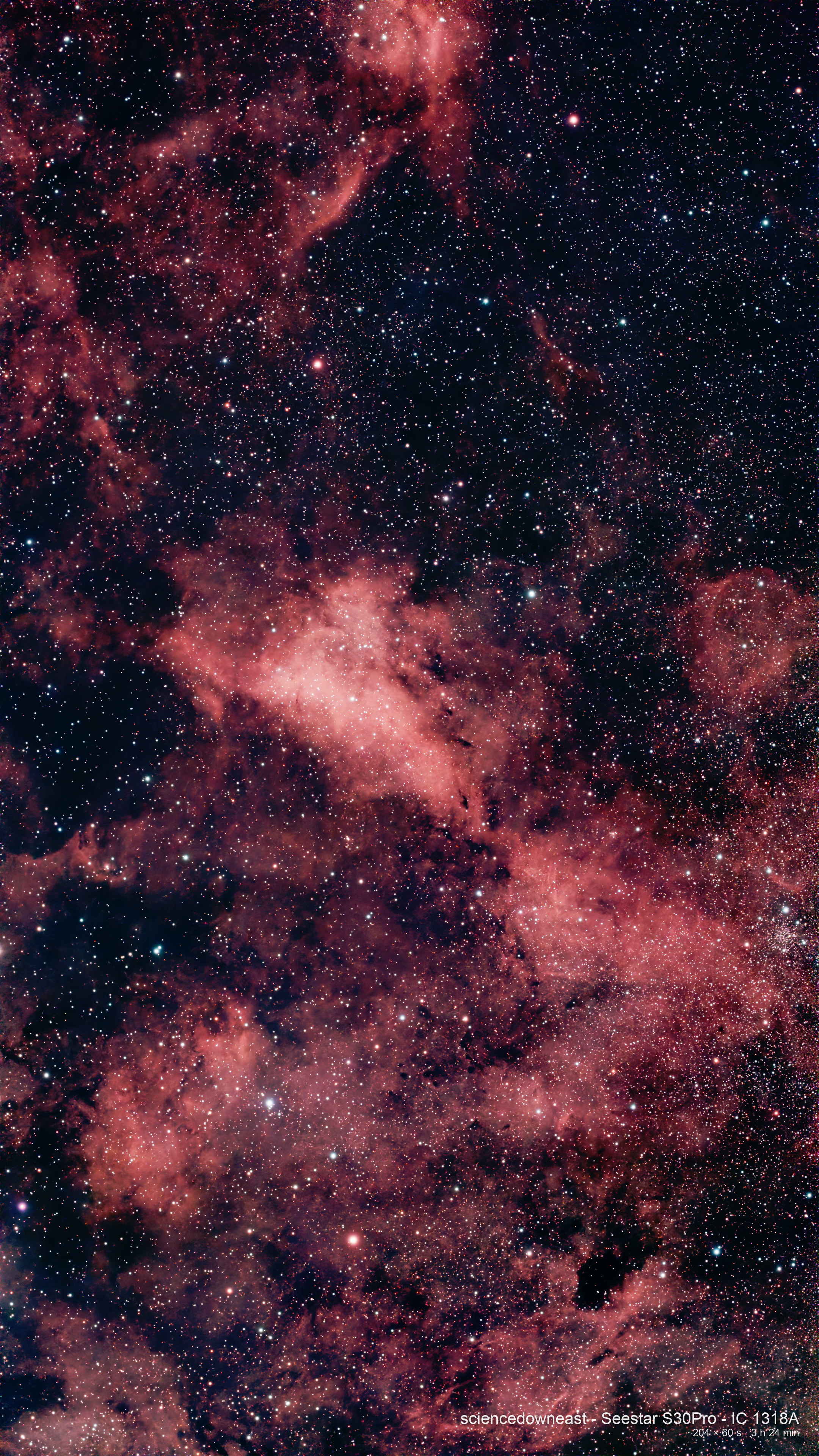
IC 1318, commonly called the Gamma Cygni Nebula or the Sadr Region, is a large emission (HII) nebula in Cygnus surrounding the bright star Sadr (Gamma Cygni) as seen in projection, though the two are not physically associated: Sadr itself lies roughly 1,800 light-years away, while the nebula is much farther, at around 4,900 light-years.
- Details
- Hits: 119
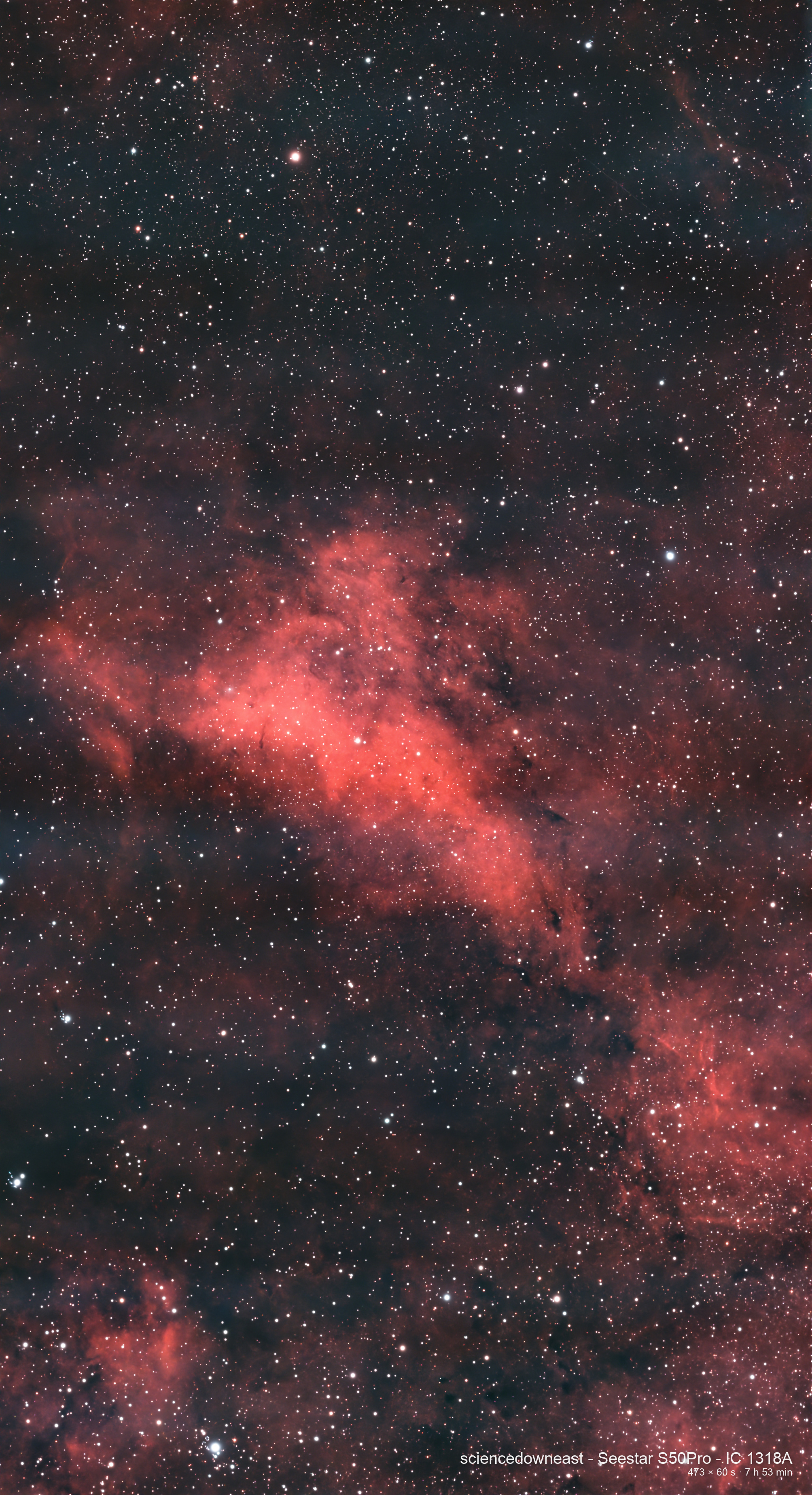
IC 1318, commonly called the Gamma Cygni Nebula or the Sadr Region, is a large emission (HII) nebula in Cygnus surrounding the bright star Sadr (Gamma Cygni) as seen in projection, though the two are not physically associated: Sadr itself lies roughly 1,800 light-years away, while the nebula is much farther, at around 4,900 light-years.
- Details
- Hits: 86
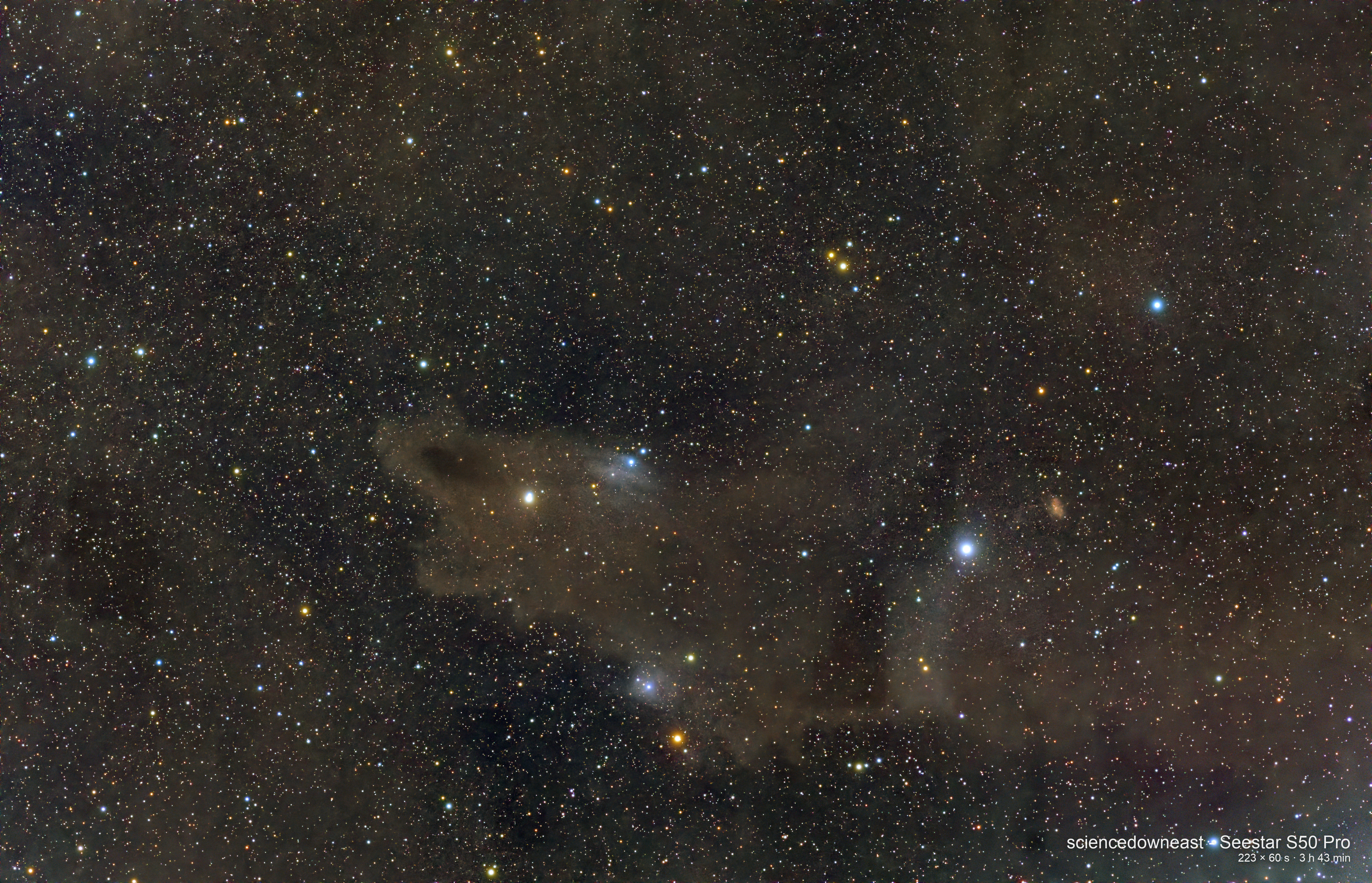
Total image time was 3 hours and 43 minutes.
- Details
- Hits: 114
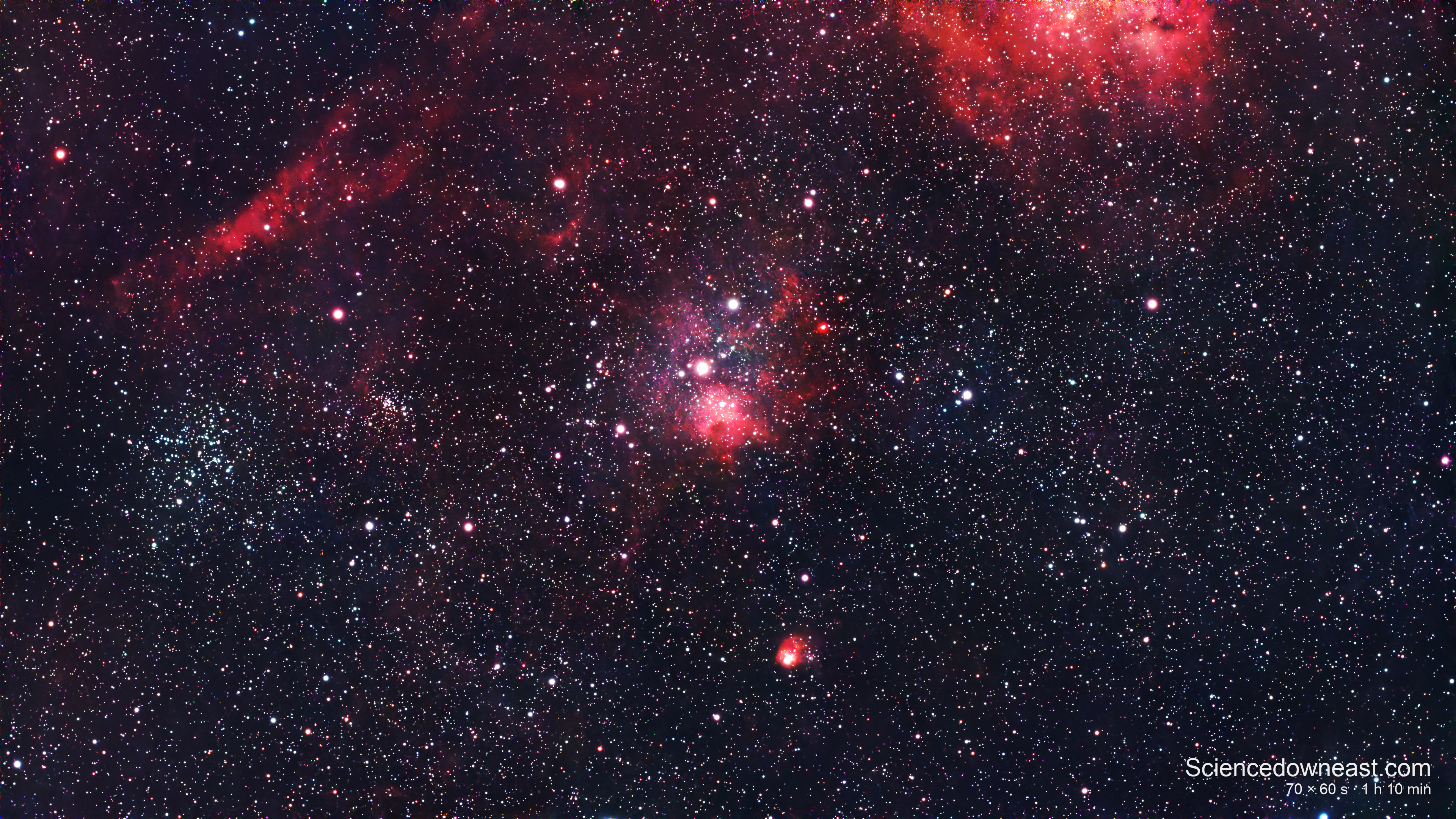
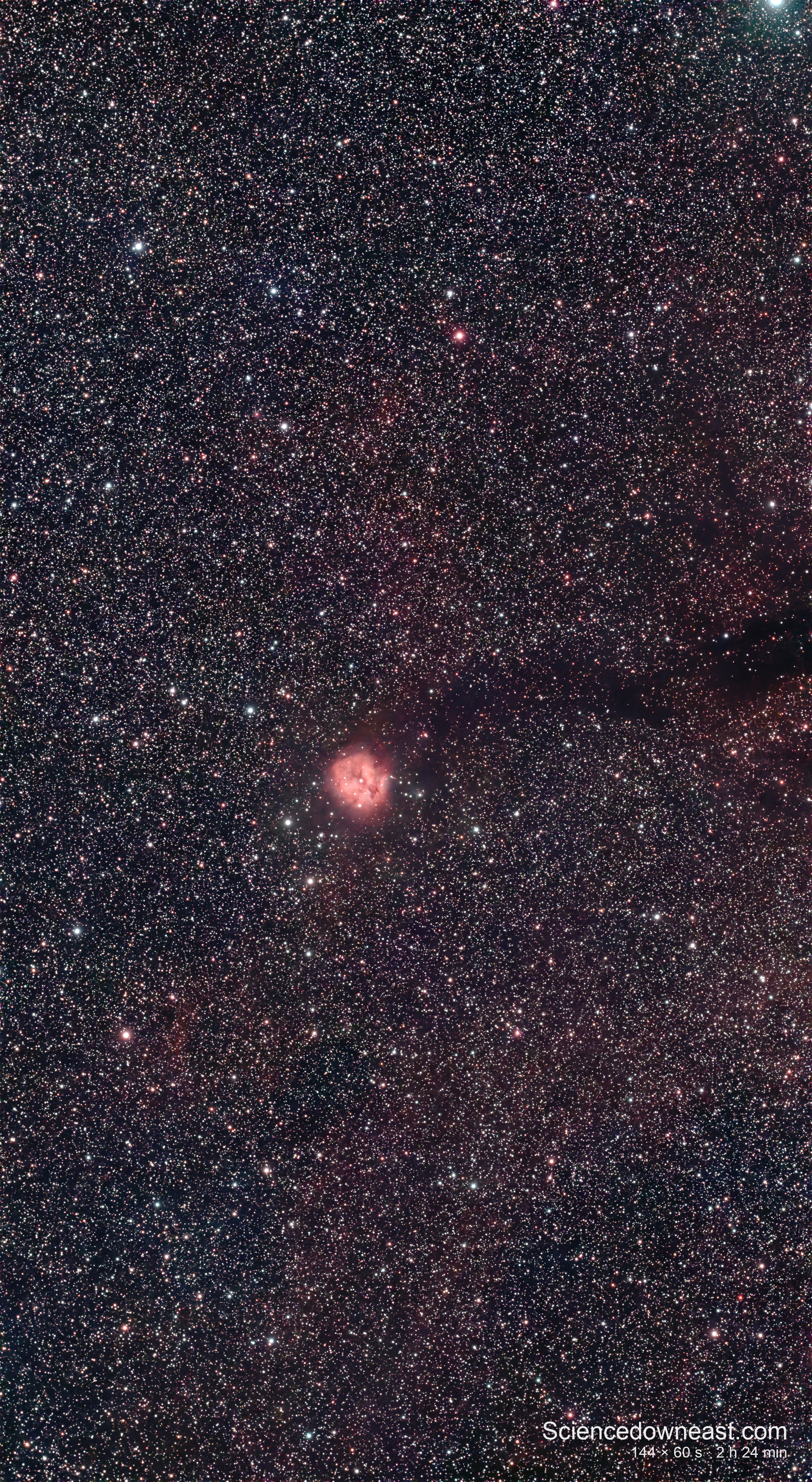
The Cocoon Nebula (IC 5146) is a striking combination of emission, reflection, and dark nebulosity in the constellation Cygnus, sitting at the tip of a long dark dust lane (Barnard 168) that trails away from it across the sky.
- Details
- Hits: 84
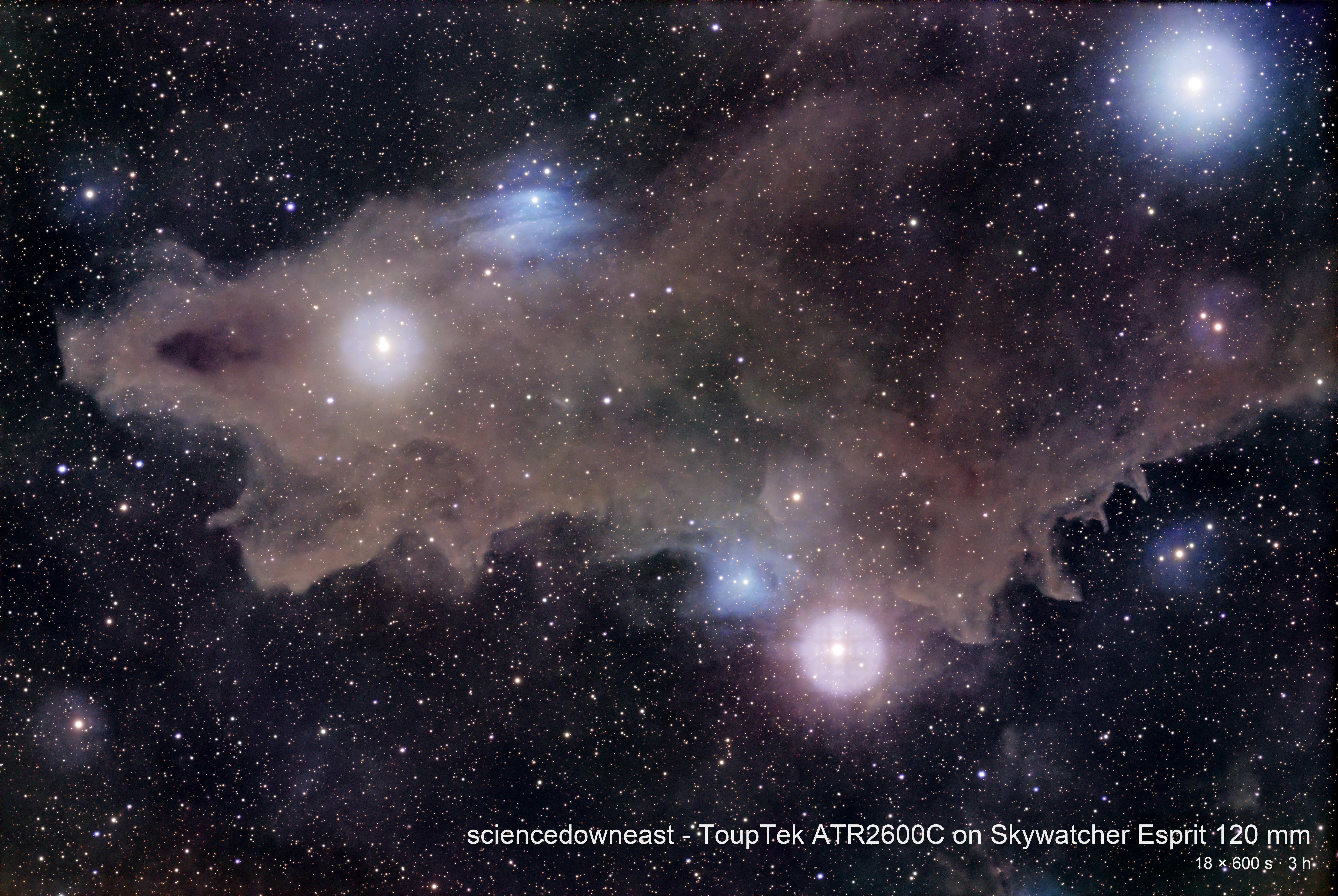
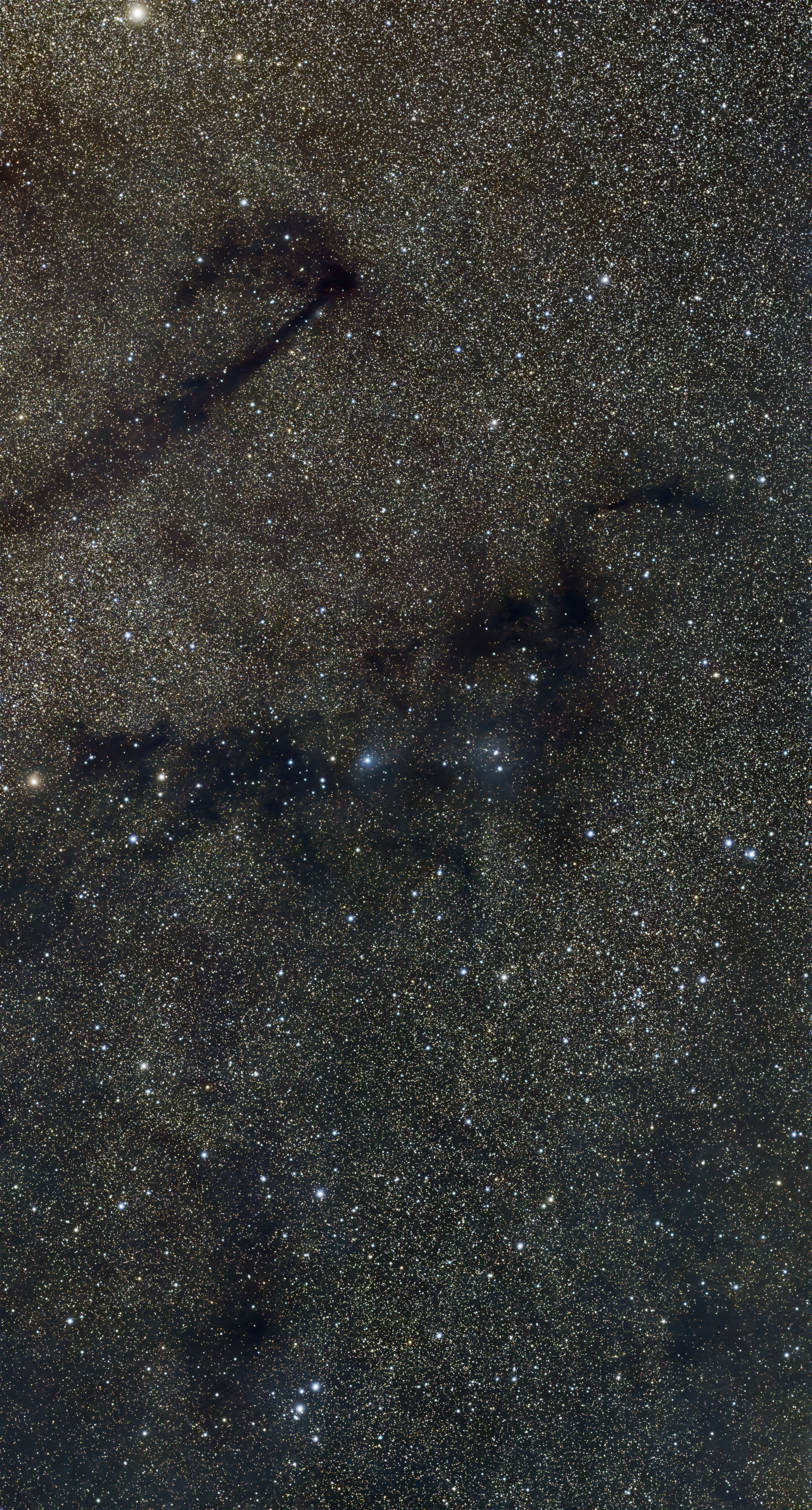
Total image time was 1 hour and 28 minutes.
- Details
- Hits: 123
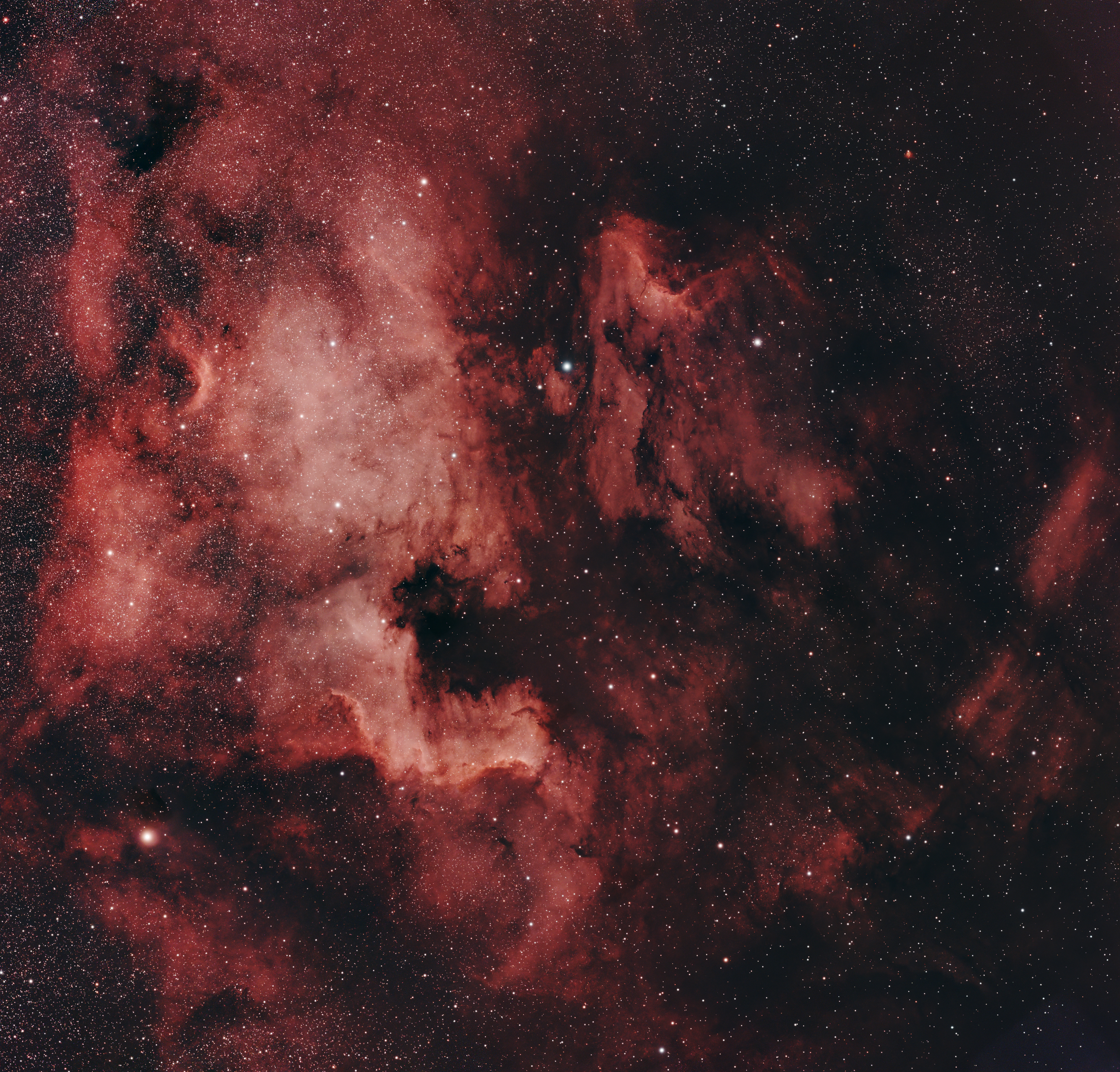
The North America Nebula is an emission nebula in the constellation Cygnus, close to Deneb in the night sky.
- Details
- Hits: 160
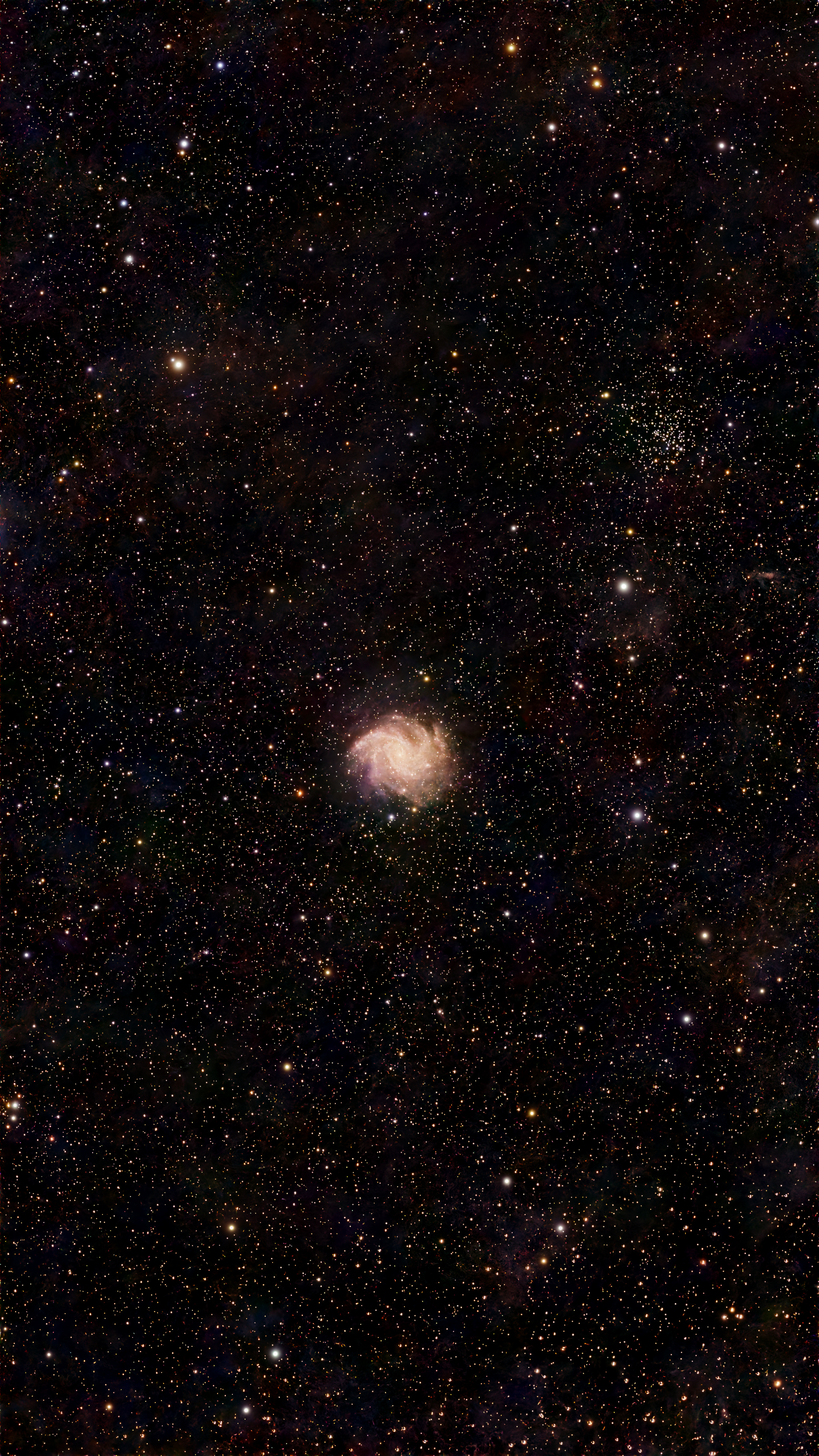
NGC 6946, sometimes referred to as the Fireworks Galaxy, is a grand design, face-on intermediate spiral galaxy with a small bright nucleus, whose location in the sky straddles the boundary between the northern constellations of Cepheus and Cygnus.
- Details
- Hits: 105
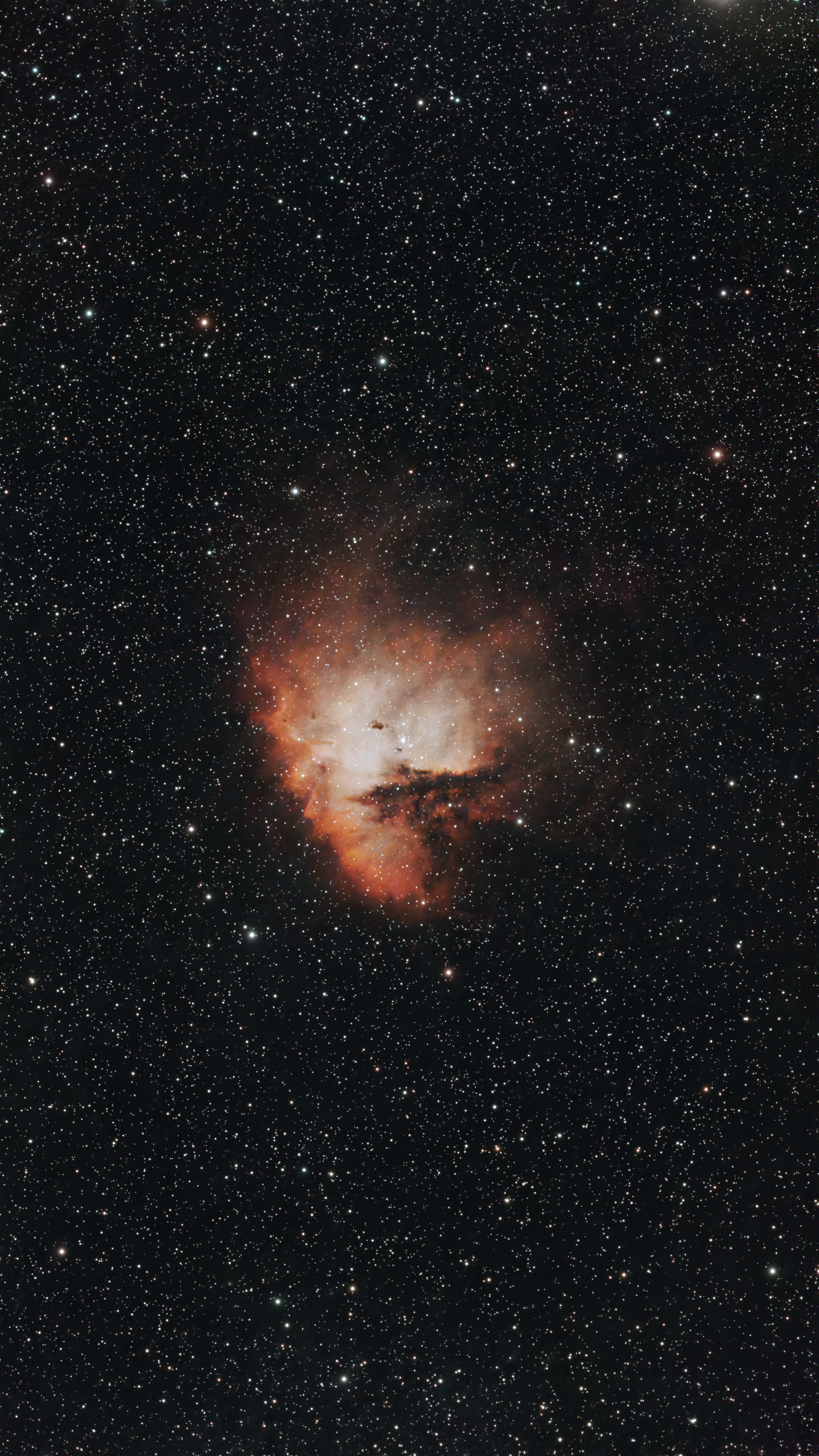
NGC 281, IC 11 or Sh2-184 is a bright emission nebula and part of an H II region in the northern constellation of Cassiopeia and is part of the Milky Way's Perseus Spiral Arm.
- Details
- Hits: 97
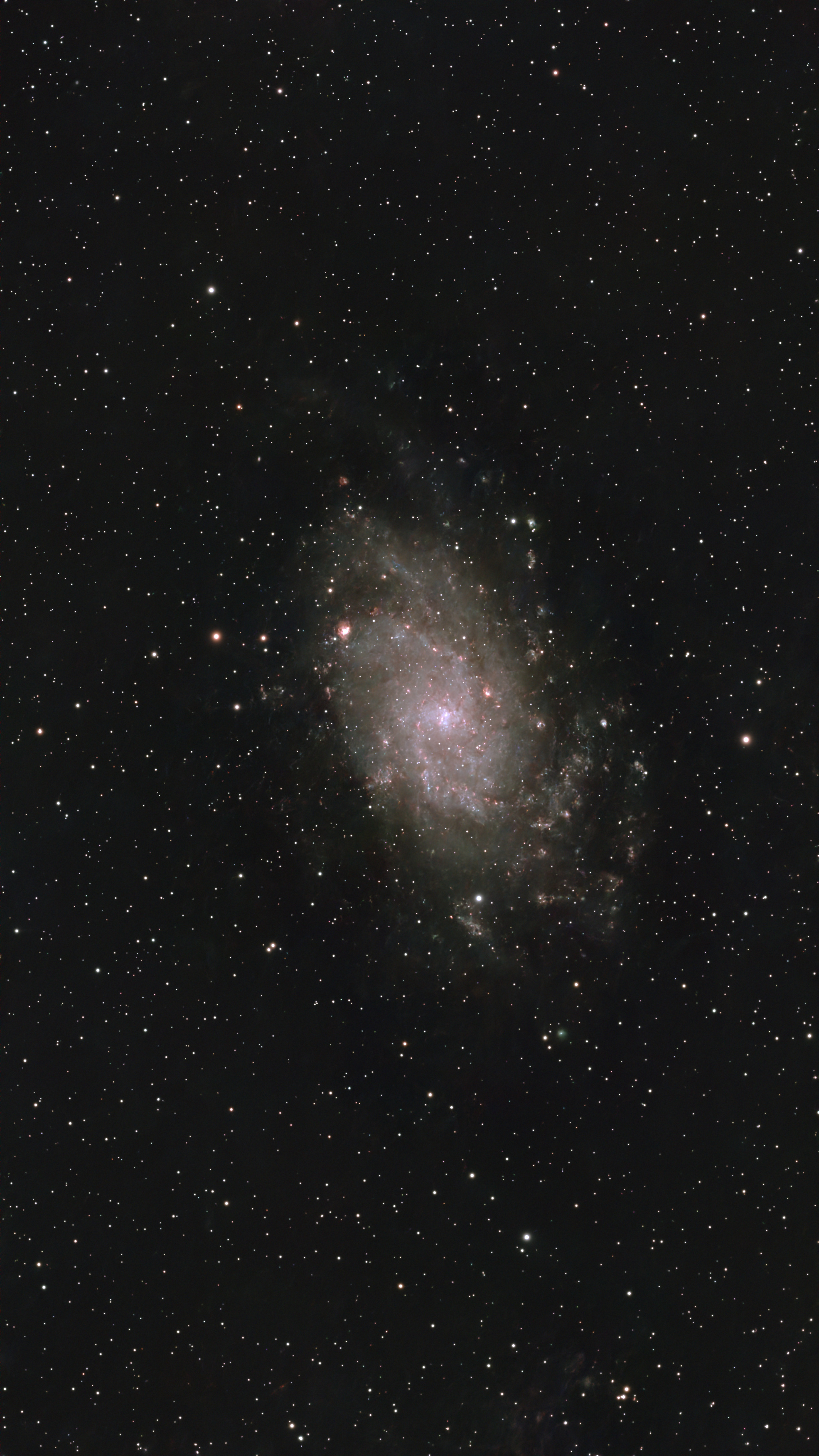
Messier 33, the Triangulum Galaxy, is a face-on spiral galaxy in the constellation Triangulum and the third-largest member of the Local Group after the Milky Way and Andromeda.
- Details
- Hits: 124
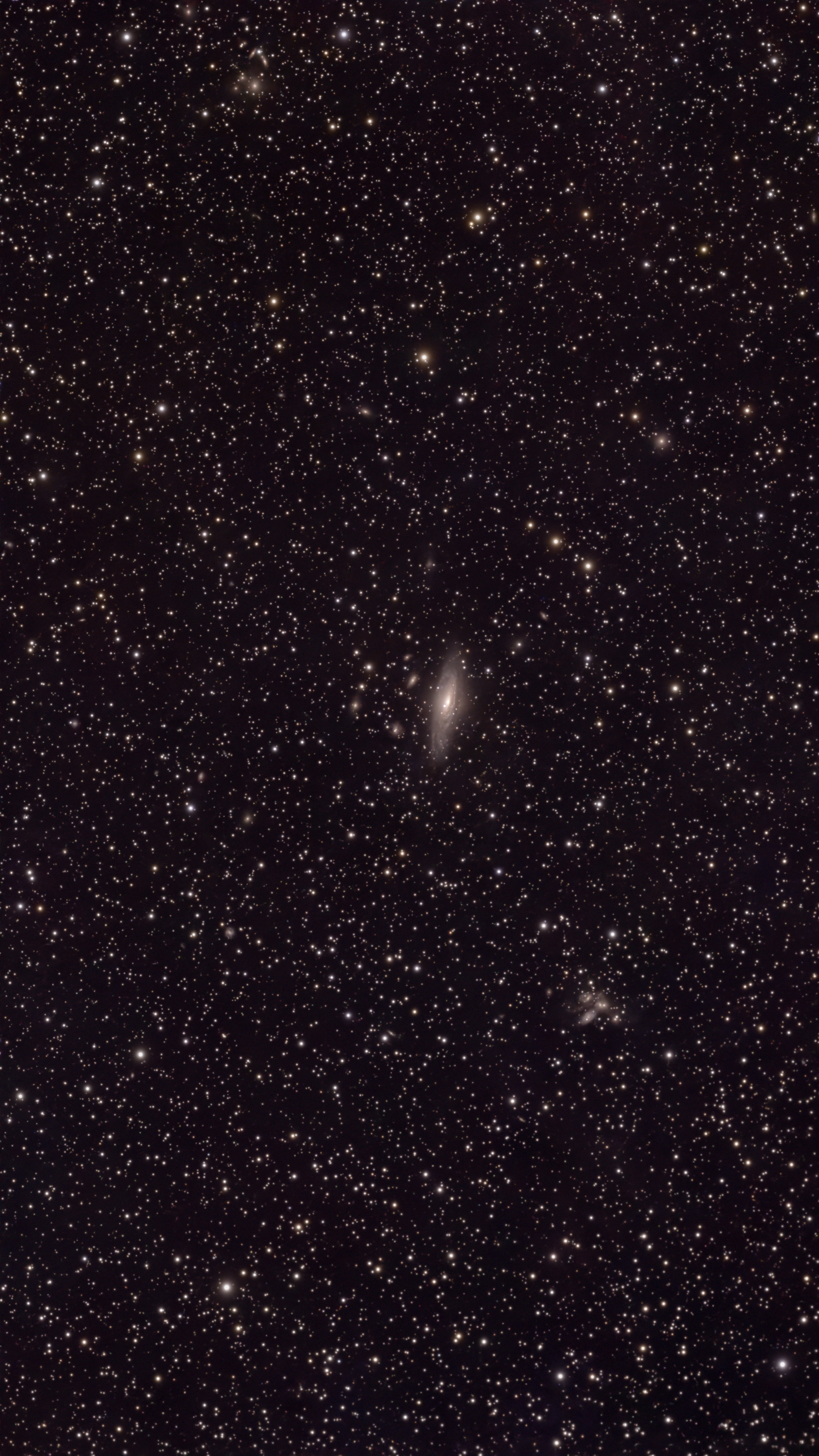
NGC 7331 is a large, unbarred spiral galaxy in the constellation Pegasus, located roughly 39-40 million light-years away and often cited as one of the closest visual analogs to our own Milky Way in overall size and structure.
- Details
- Hits: 98
NGC 1027 is an open cluster in the constellation Cassiopeia.
- Details
- Hits: 75
_SPC.jpg)
The Heart Nebula is an emission nebula, 7,500 light-years (2,300 pc) away from Earth and located in the Perseus Arm of the Galaxy in the constellation Cassiopeia.
- Details
- Hits: 86
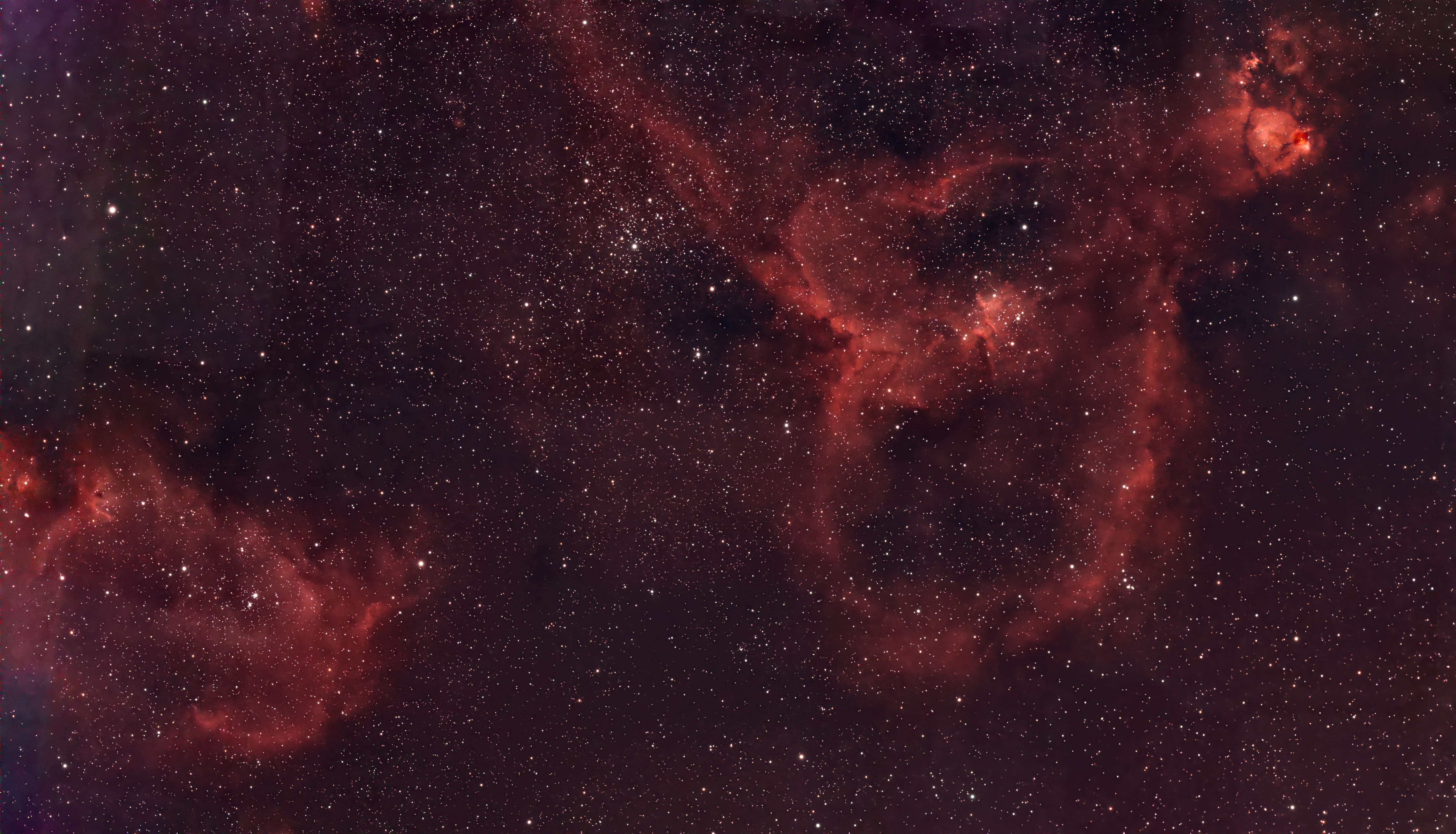
The Heart Nebula is an emission nebula, 7,500 light-years (2,300 pc) away from Earth and located in the Perseus Arm of the Galaxy in the constellation Cassiopeia.
- Details
- Hits: 119
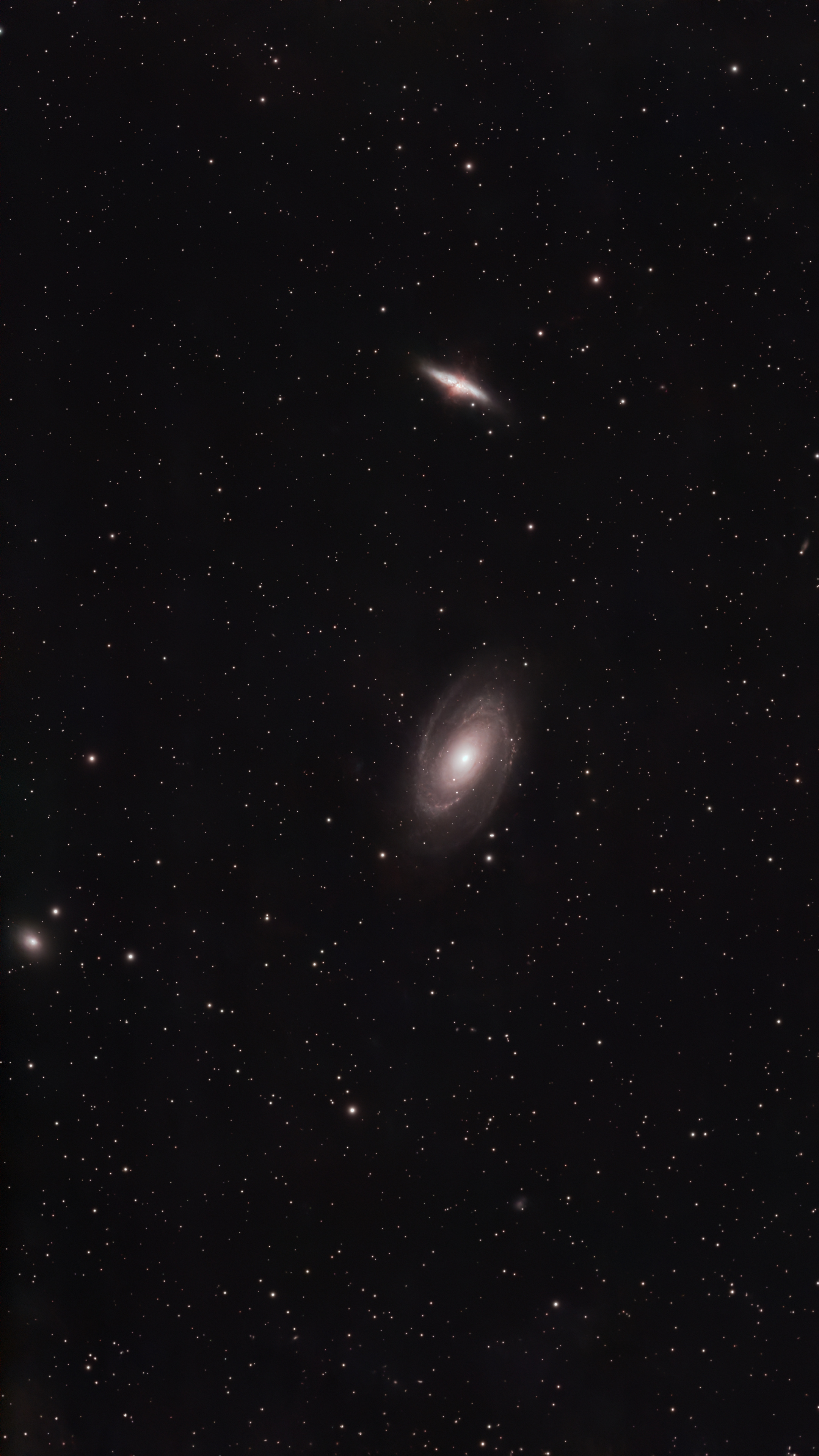
Messier 81, also known as Bode's Galaxy, is a classic grand-design spiral galaxy in Ursa Major lying about 12 million light-years away, with a disk spanning roughly 90,000 light-years.
- Details
- Hits: 120
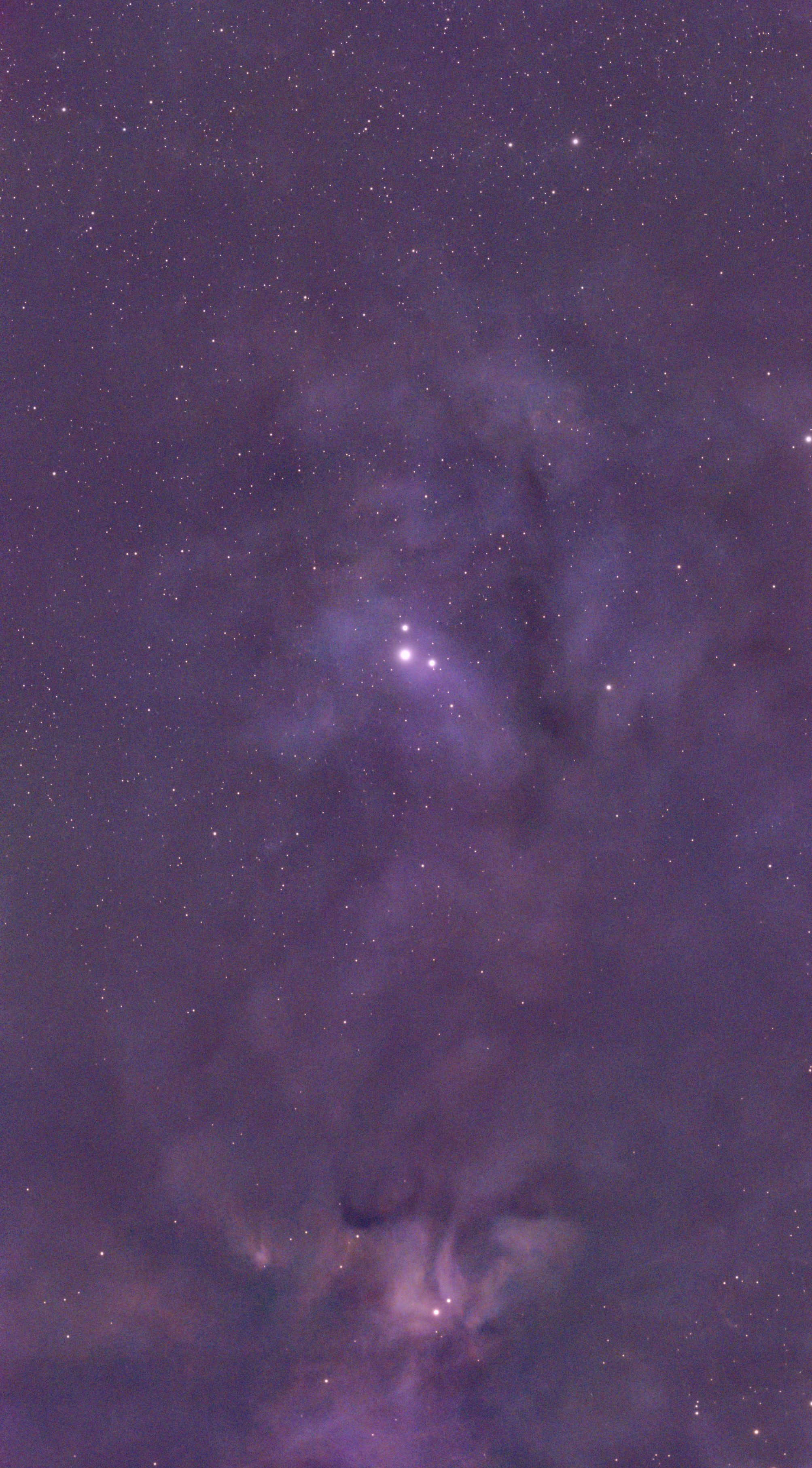
IC 4604 is a reflection nebula surrounding the multiple star system Rho Ophiuchi, near the Antares region on the Ophiuchus/Scorpius border.
- Details
- Hits: 109
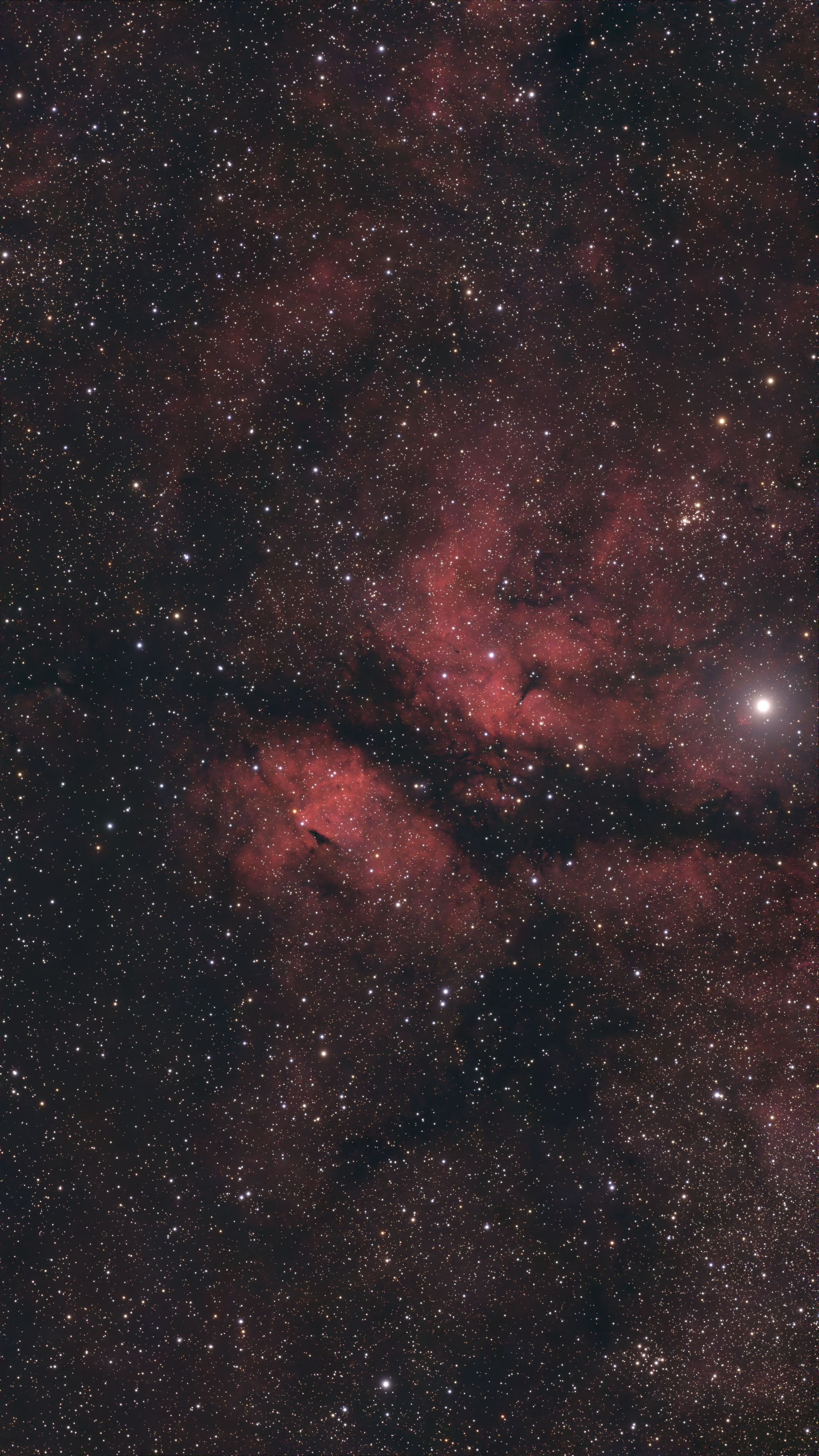
IC 1318, commonly called the Gamma Cygni Nebula or the Sadr Region, is a large emission (HII) nebula in Cygnus surrounding the bright star Sadr (Gamma Cygni) as seen in projection, though the two are not physically associated: Sadr itself lies roughly 1,800 light-years away, while the nebula is much farther, at around 4,900 light-years.
- Details
- Hits: 93
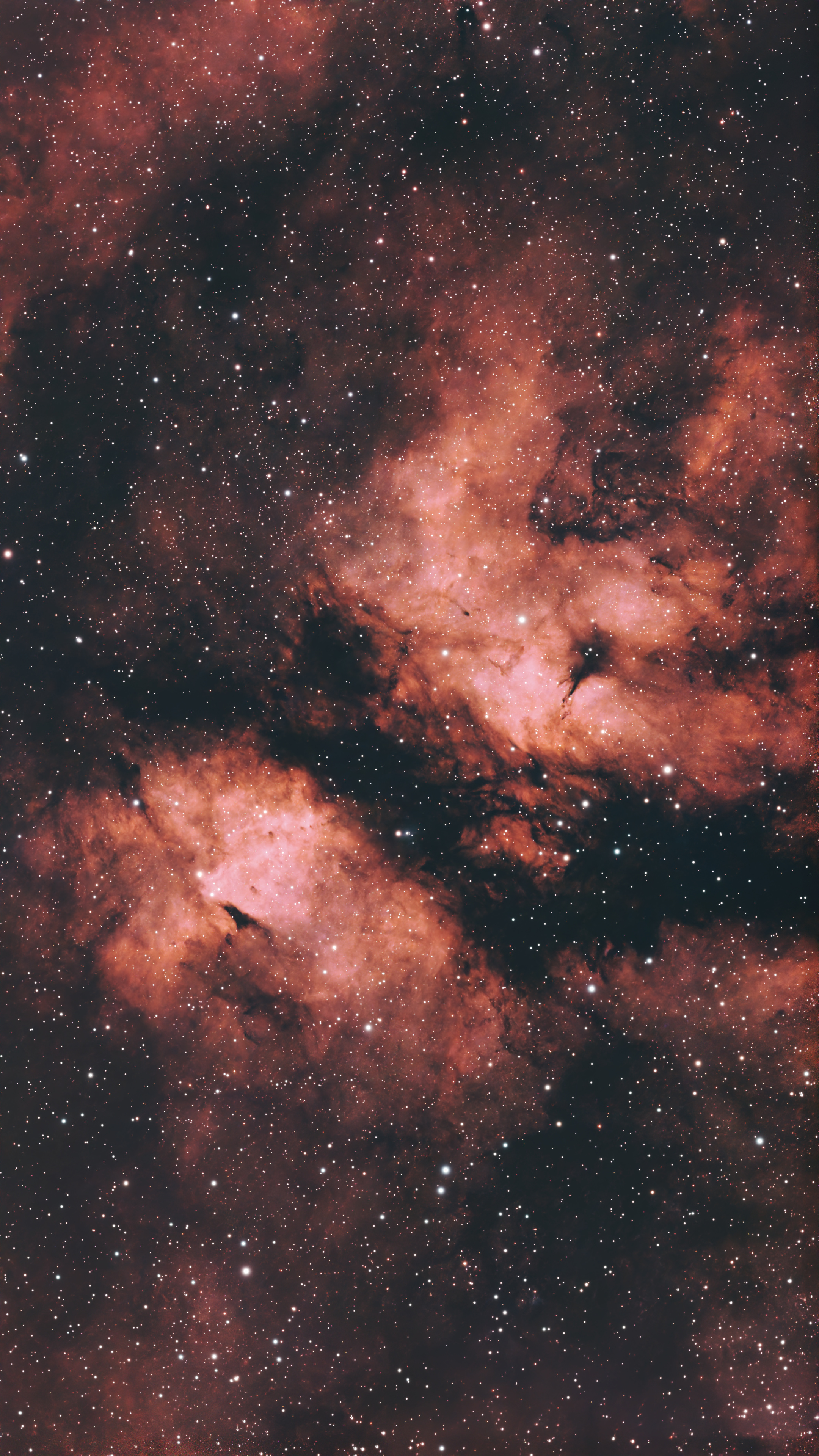
IC 1318, commonly called the Gamma Cygni Nebula or the Sadr Region, is a large emission (HII) nebula in Cygnus surrounding the bright star Sadr (Gamma Cygni) as seen in projection, though the two are not physically associated: Sadr itself lies roughly 1,800 light-years away, while the nebula is much farther, at around 4,900 light-years.
- Details
- Hits: 68
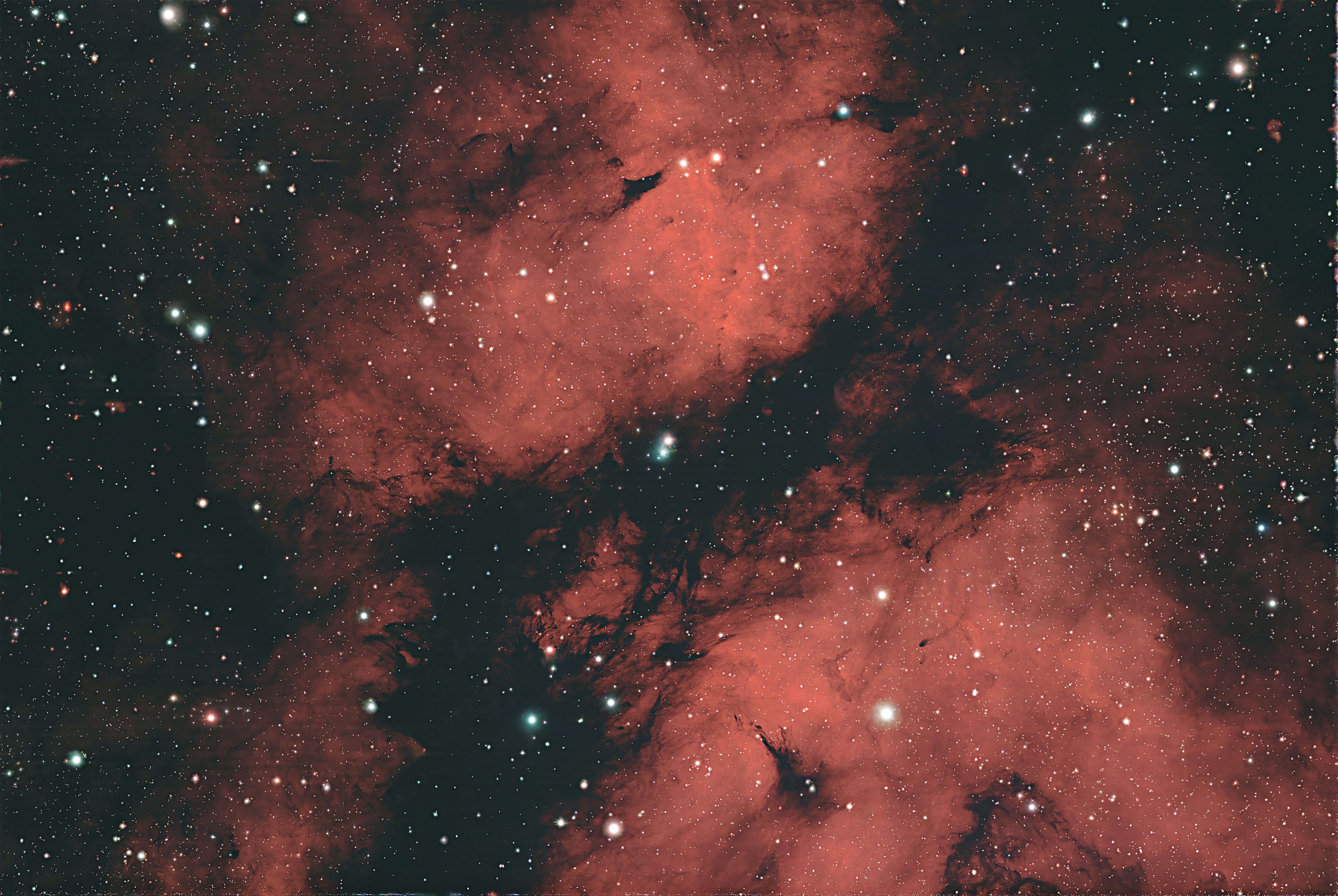
IC 1318, commonly called the Gamma Cygni Nebula or the Sadr Region, is a large emission (HII) nebula in Cygnus surrounding the bright star Sadr (Gamma Cygni) as seen in projection, though the two are not physically associated: Sadr itself lies roughly 1,800 light-years away, while the nebula is much farther, at around 4,900 light-years.
- Details
- Hits: 86
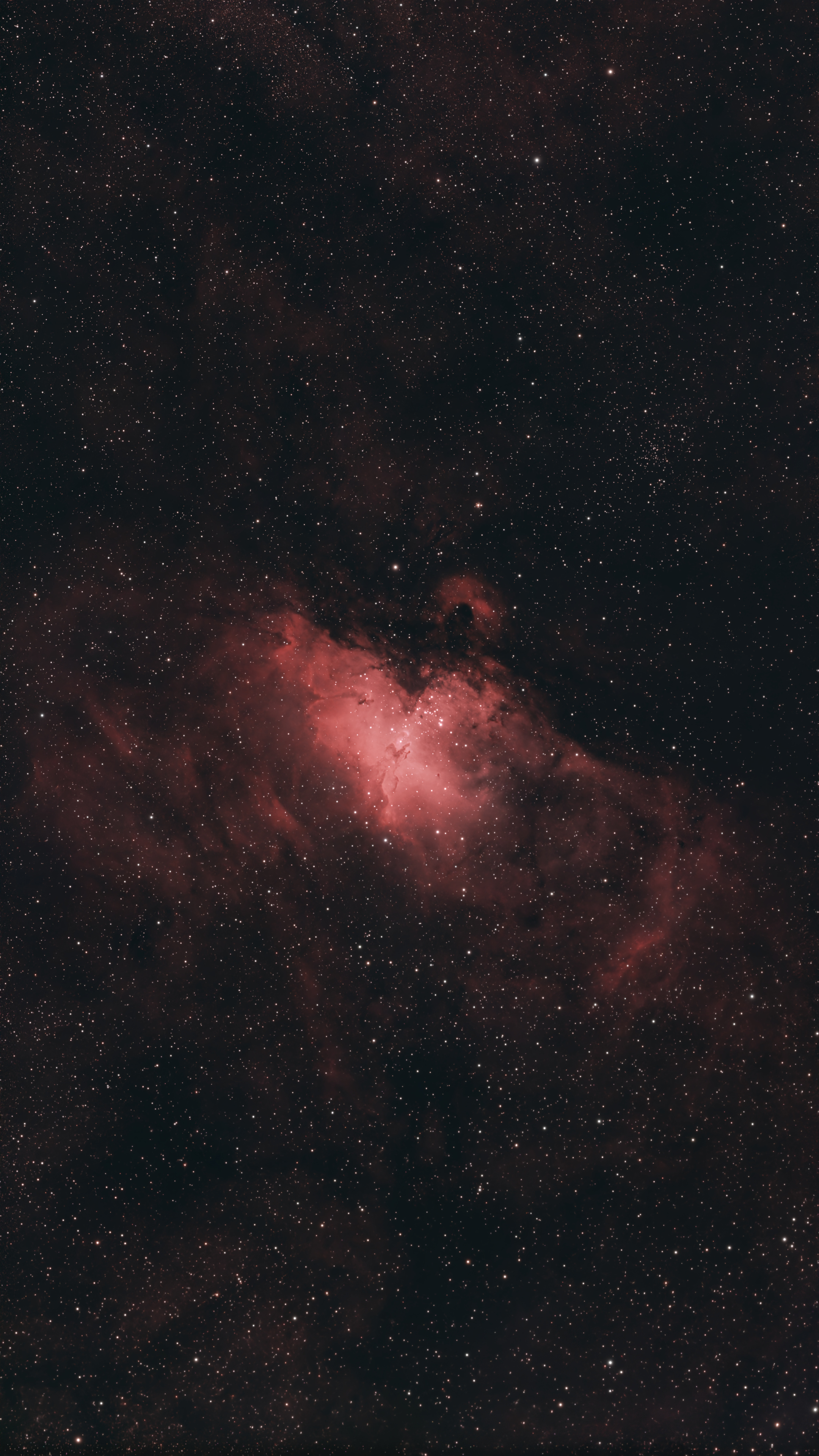
The Eagle Nebula is a young open cluster of stars in the constellation of Serpens.
- Details
- Hits: 109
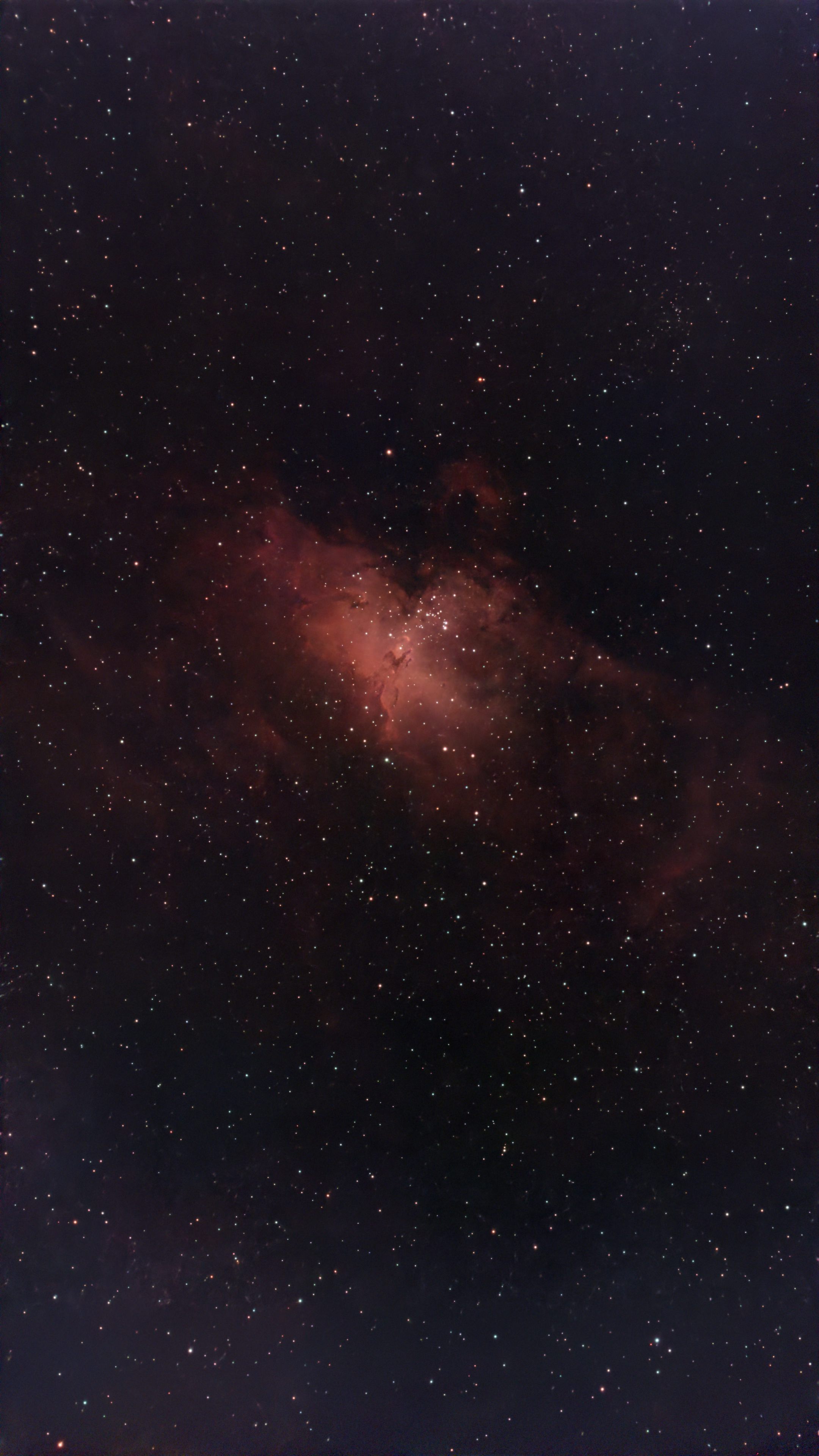
The Eagle Nebula is a young open cluster of stars in the constellation of Serpens.
- Details
- Hits: 103
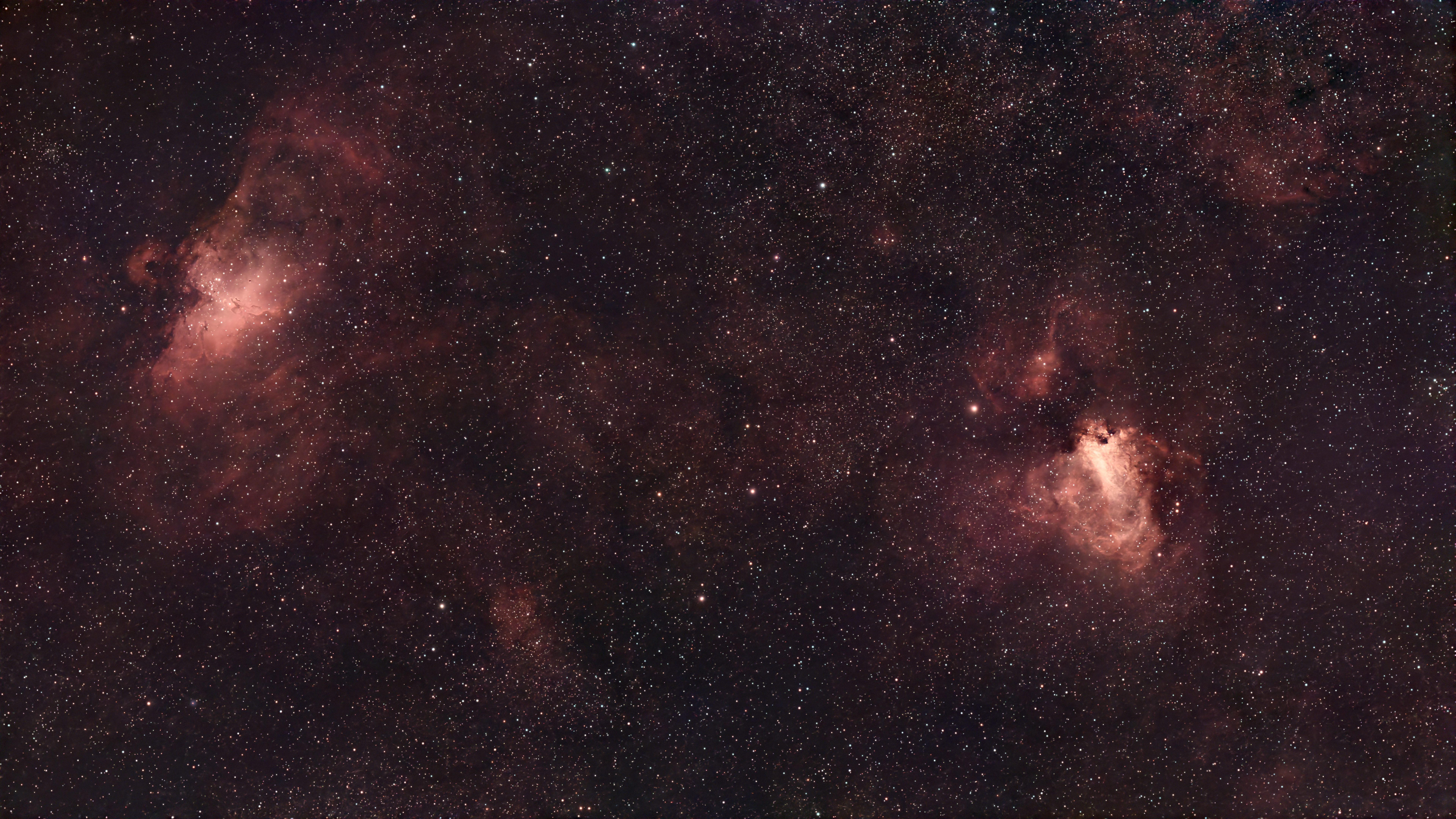
The Omega Nebula is an H II region in the constellation Sagittarius.
- Details
- Hits: 185
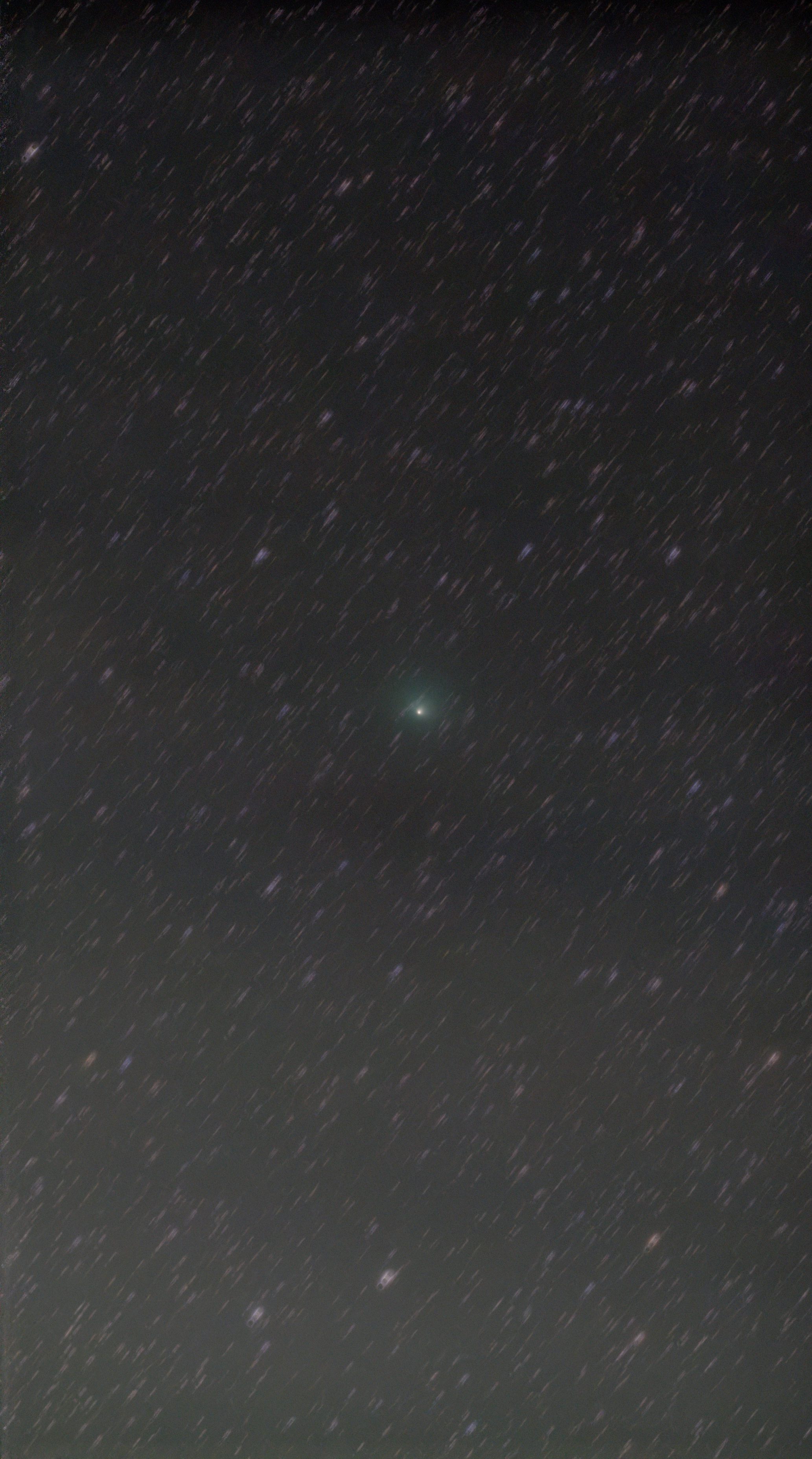
Comet 10P/Tempel 2 is a periodic Jupiter-family comet discovered on July 4, 1873, by Wilhelm Tempel from the Marseille Observatory in France.
- Details
- Hits: 224
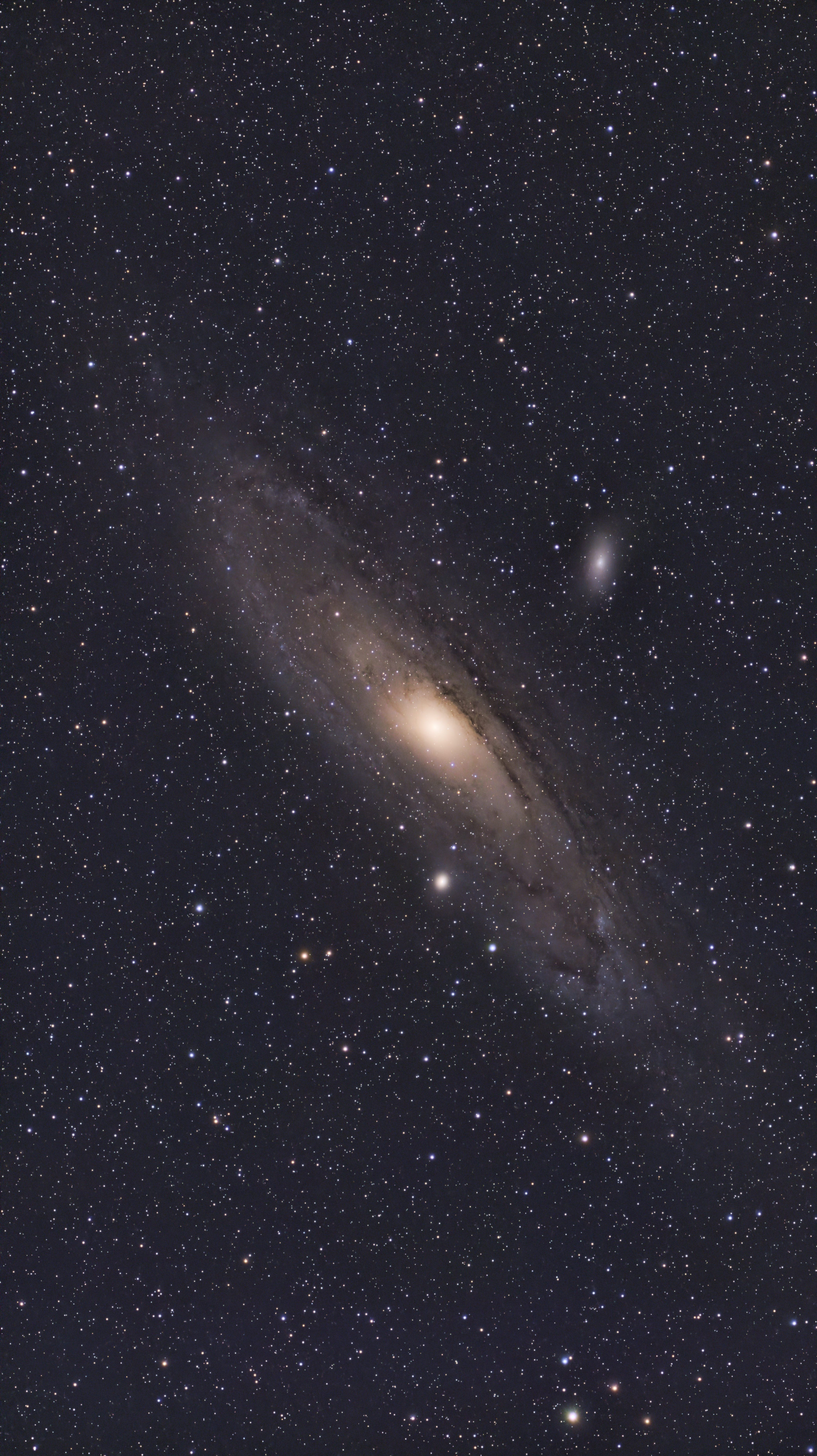
The Andromeda Galaxy (M31, NGC 224) is the nearest large galaxy to the Milky Way, located about 2.5 million light-years away in the constellation Andromeda.
- Details
- Hits: 239
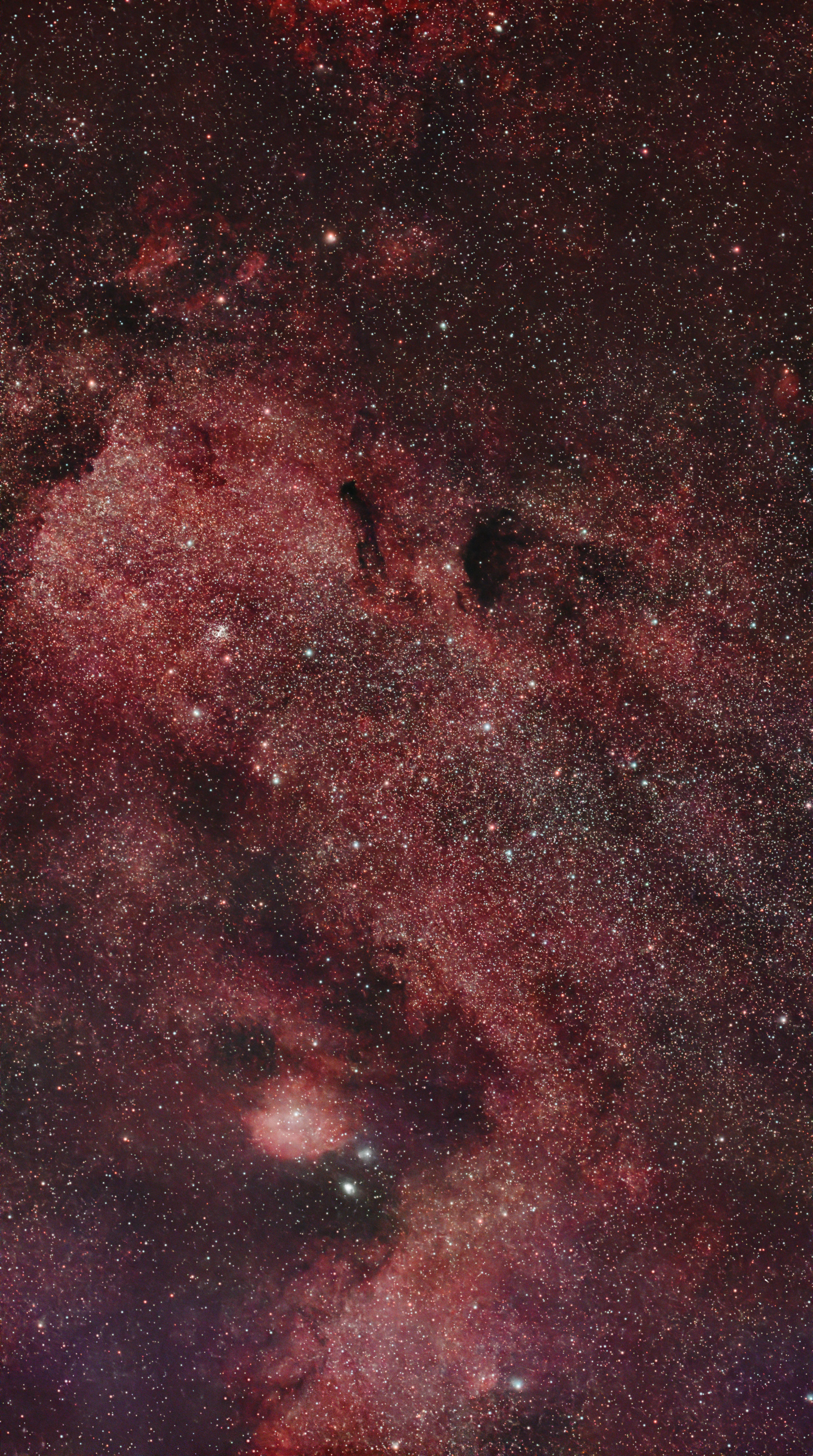
Messier 24, the Small Sagittarius Star Cloud, is not a true star cluster or nebula but rather a gap in the foreground dust of the Milky Way's disk that lets observers see straight through to an extremely dense, distant field of stars in the Sagittarius Arm, roughly 10,000-16,000 light-years away.
- Details
- Hits: 214
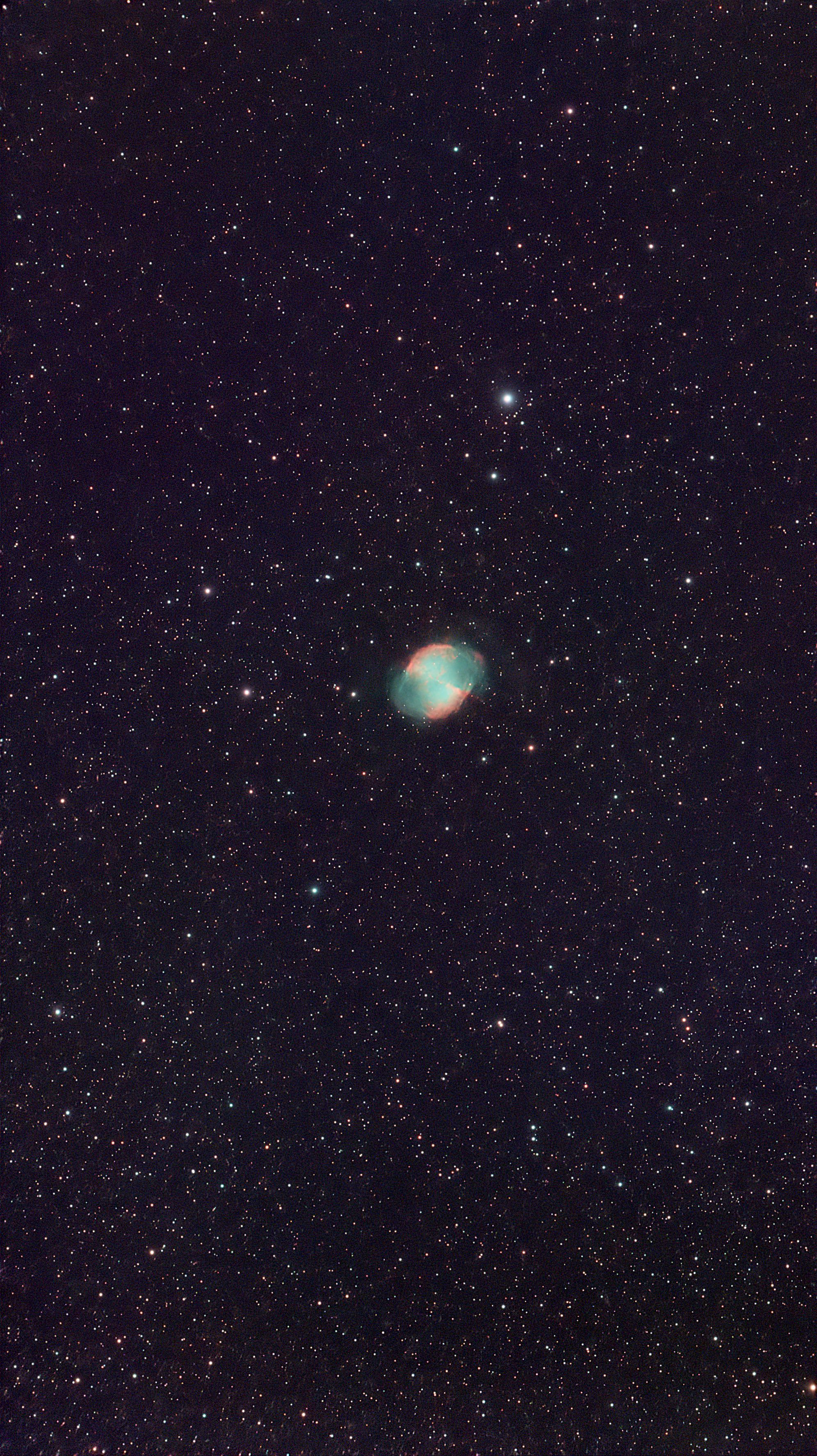
Messier 27, the Dumbbell Nebula (NGC 6853), is a planetary nebula in the constellation Vulpecula, and holds the distinction of being the first planetary nebula ever discovered, found by Charles Messier in 1764.
- Details
- Hits: 237
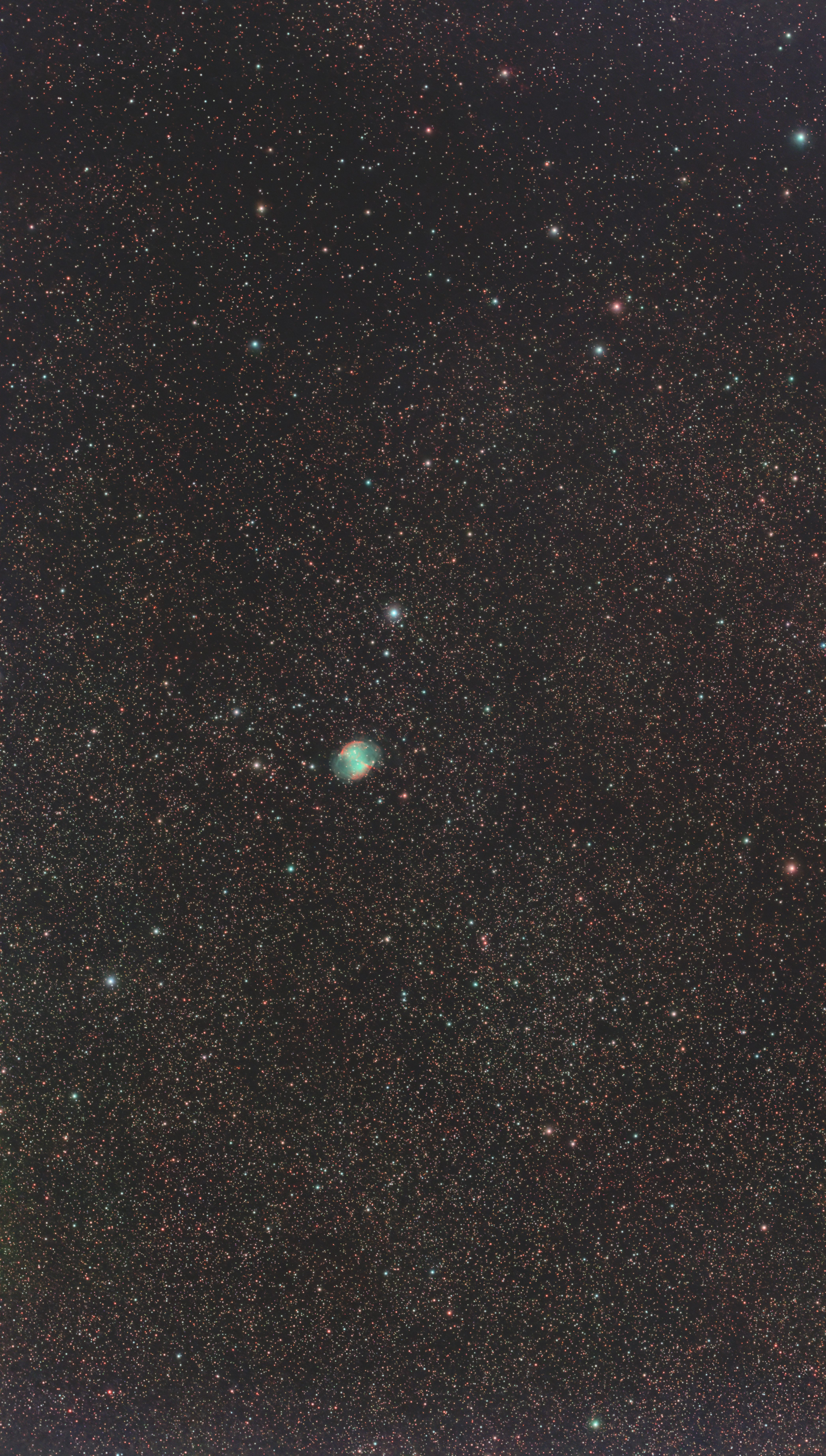
Messier 27, the Dumbbell Nebula (NGC 6853), is a planetary nebula in the constellation Vulpecula, and holds the distinction of being the first planetary nebula ever discovered, found by Charles Messier in 1764.
- Details
- Hits: 214
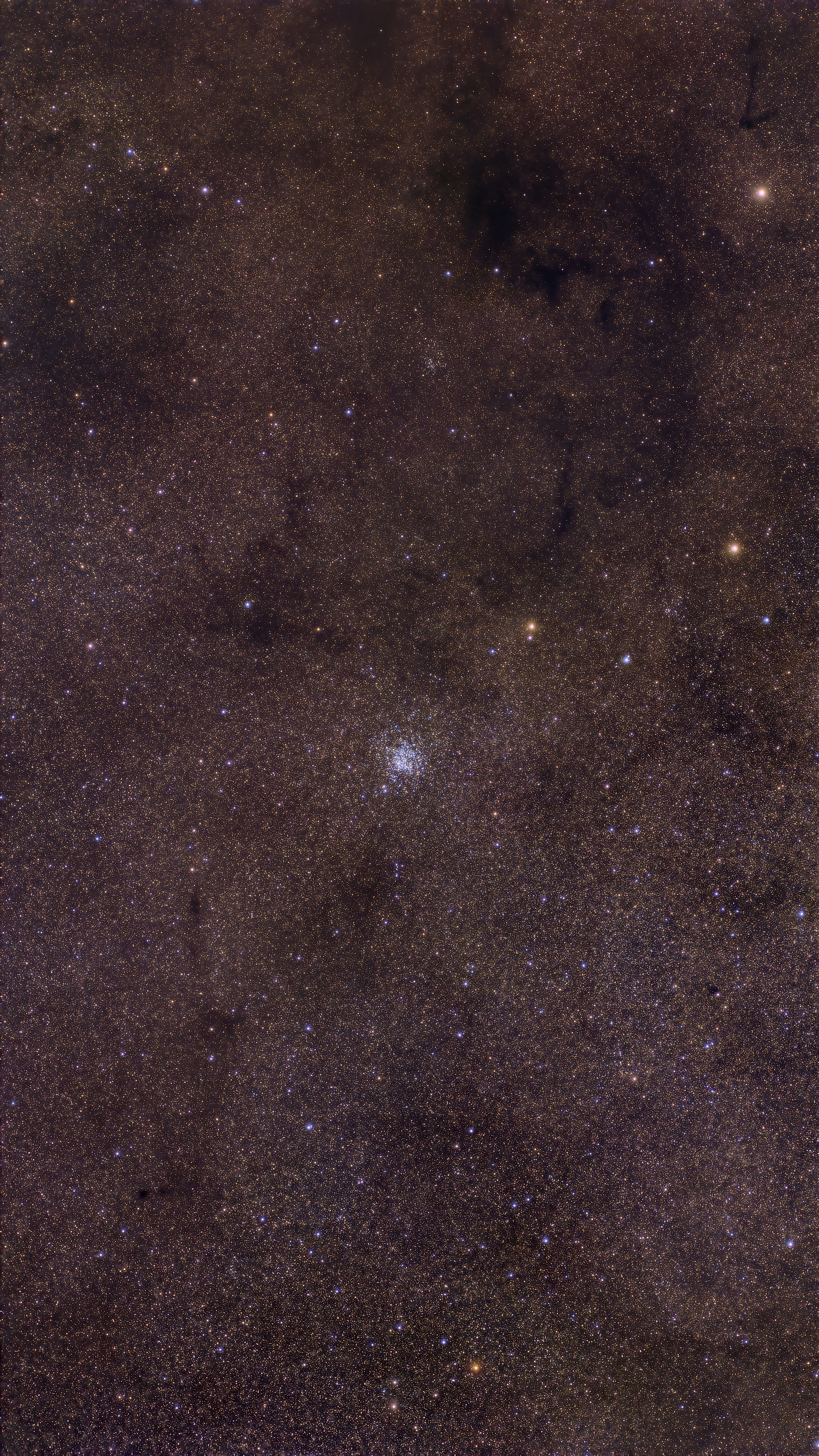
Messier 11 (NGC 6705), the Wild Duck Cluster, is a rich open star cluster in the constellation Scutum, lying about 6,100 light-years away, making it one of the most distant open clusters in the Messier catalog still visible to the naked eye.
- Details
- Hits: 157
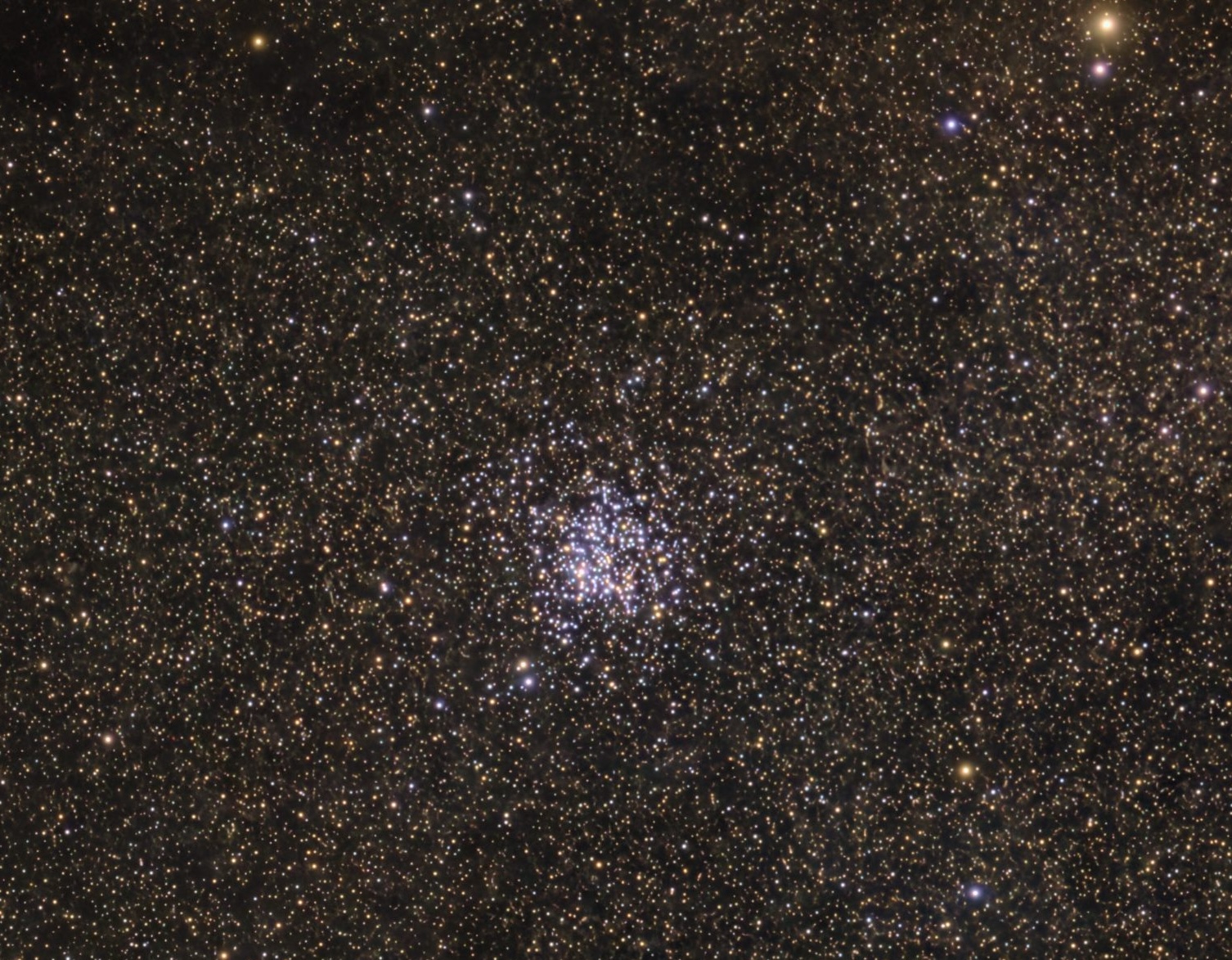
Messier 11 (NGC 6705), the Wild Duck Cluster, is a rich open star cluster in the constellation Scutum, lying about 6,100 light-years away, making it one of the most distant open clusters in the Messier catalog still visible to the naked eye.
- Details
- Hits: 106
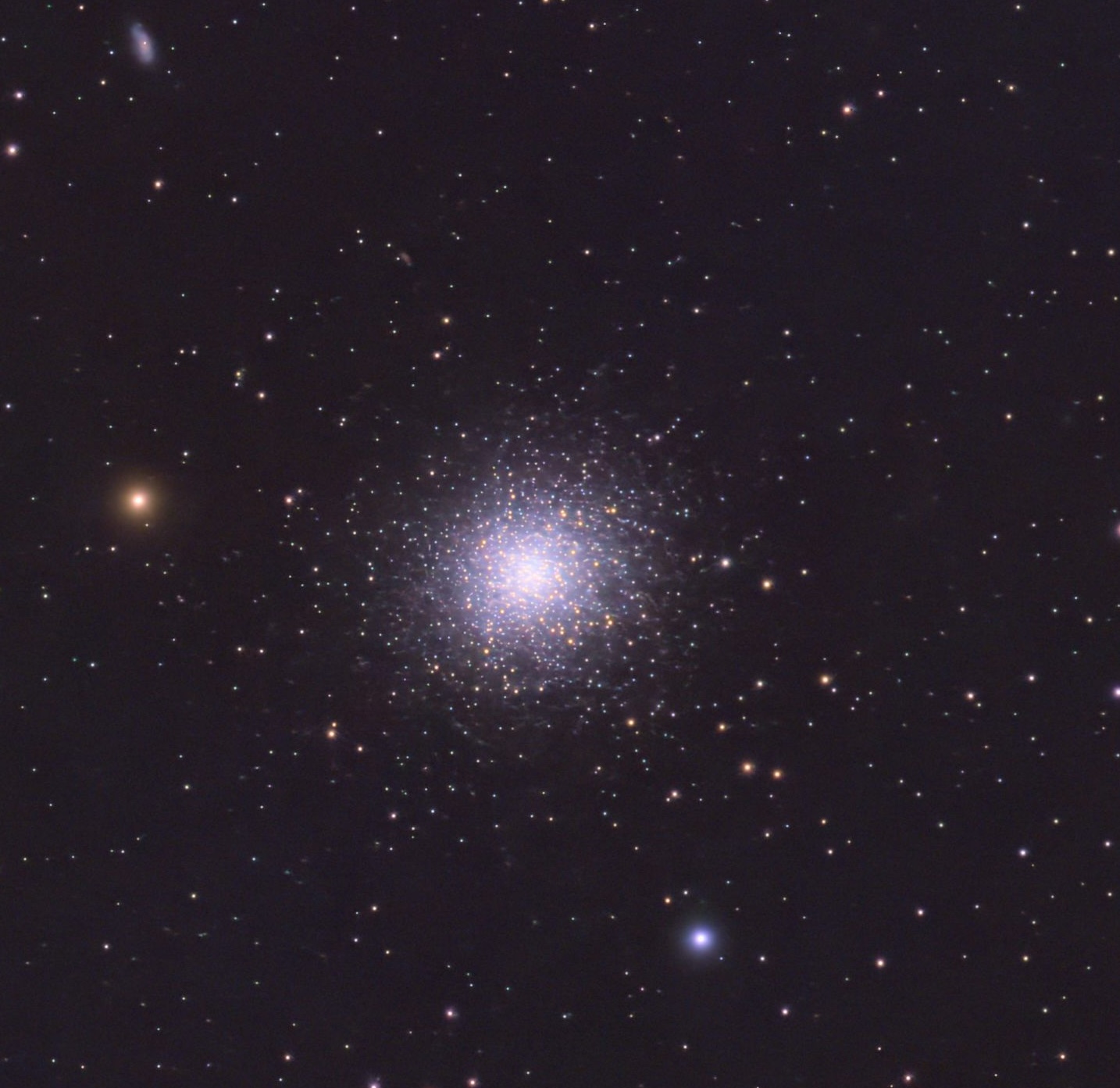
Messier 13 (NGC 6205), the Great Hercules Cluster, is the brightest globular cluster visible from the northern hemisphere, located in the constellation Hercules.
- Details
- Hits: 115
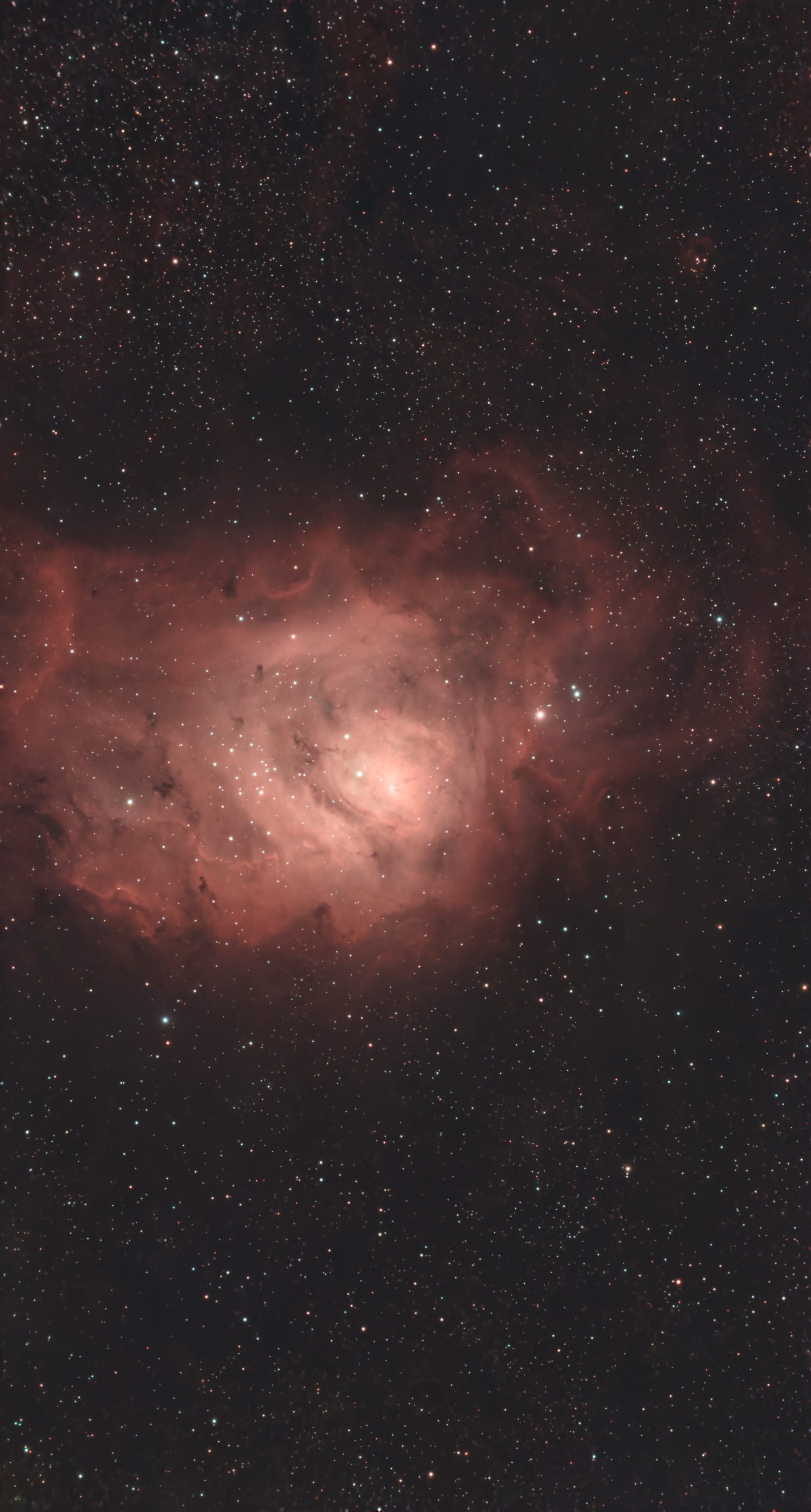
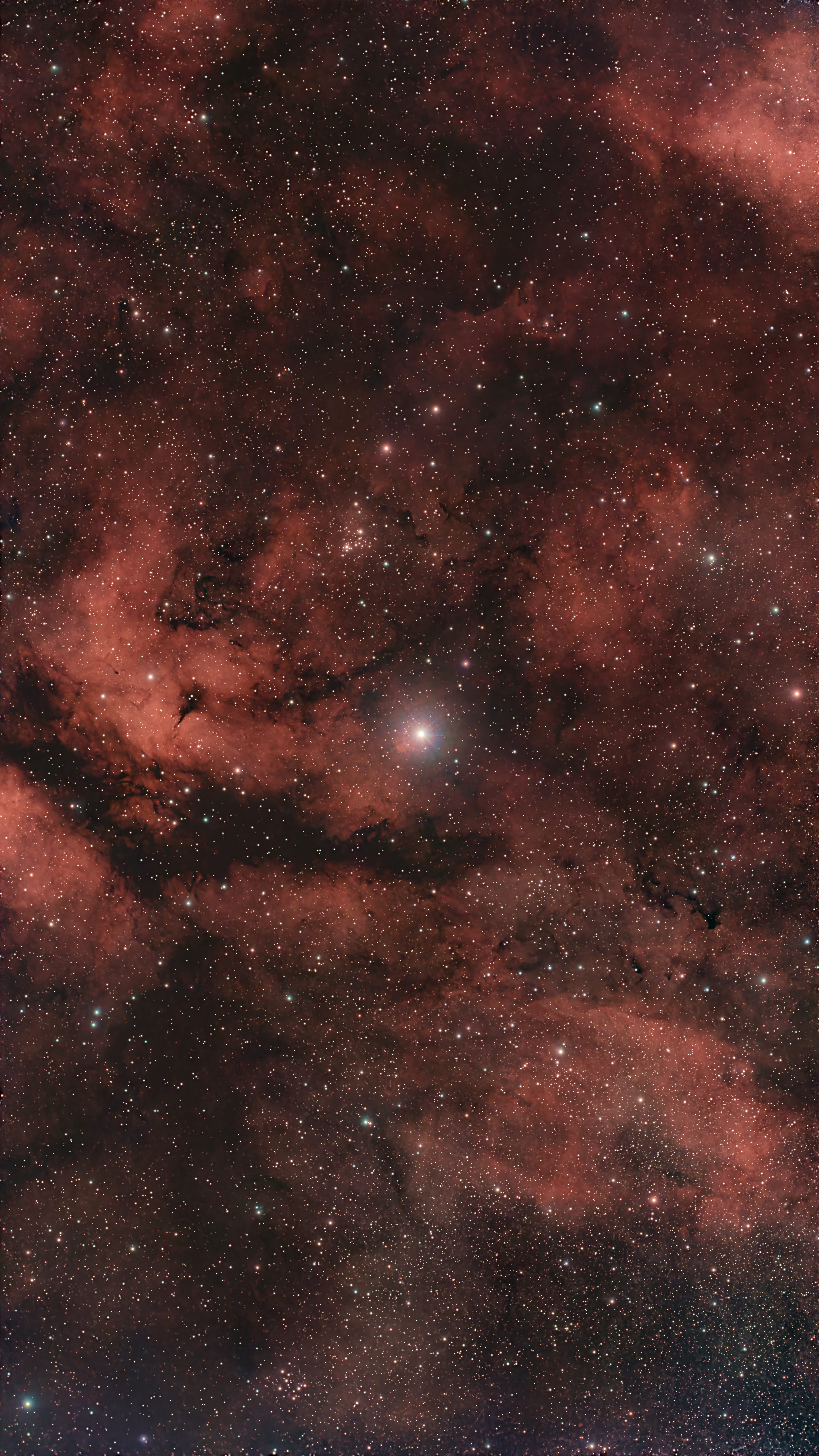
IC 1318, commonly called the Gamma Cygni Nebula or the Sadr Region, is a large emission (HII) nebula in Cygnus surrounding the bright star Sadr (Gamma Cygni) as seen in projection, though the two are not physically associated: Sadr itself lies roughly 1,800 light-years away, while the nebula is much farther, at around 4,900 light-years.
- Details
- Hits: 218
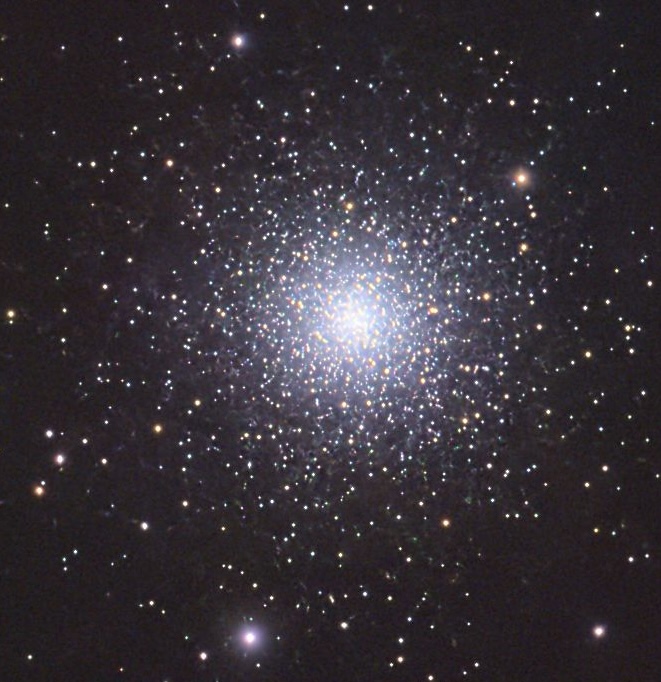
Messier 3 (NGC 5272) is a large, bright globular cluster in the constellation Canes Venatici, located approximately 33,900 light-years from Earth.
- Details
- Hits: 195

IC 4604 is a reflection nebula surrounding the multiple star system Rho Ophiuchi, near the Antares region on the Ophiuchus/Scorpius border.
- Details
- Hits: 179
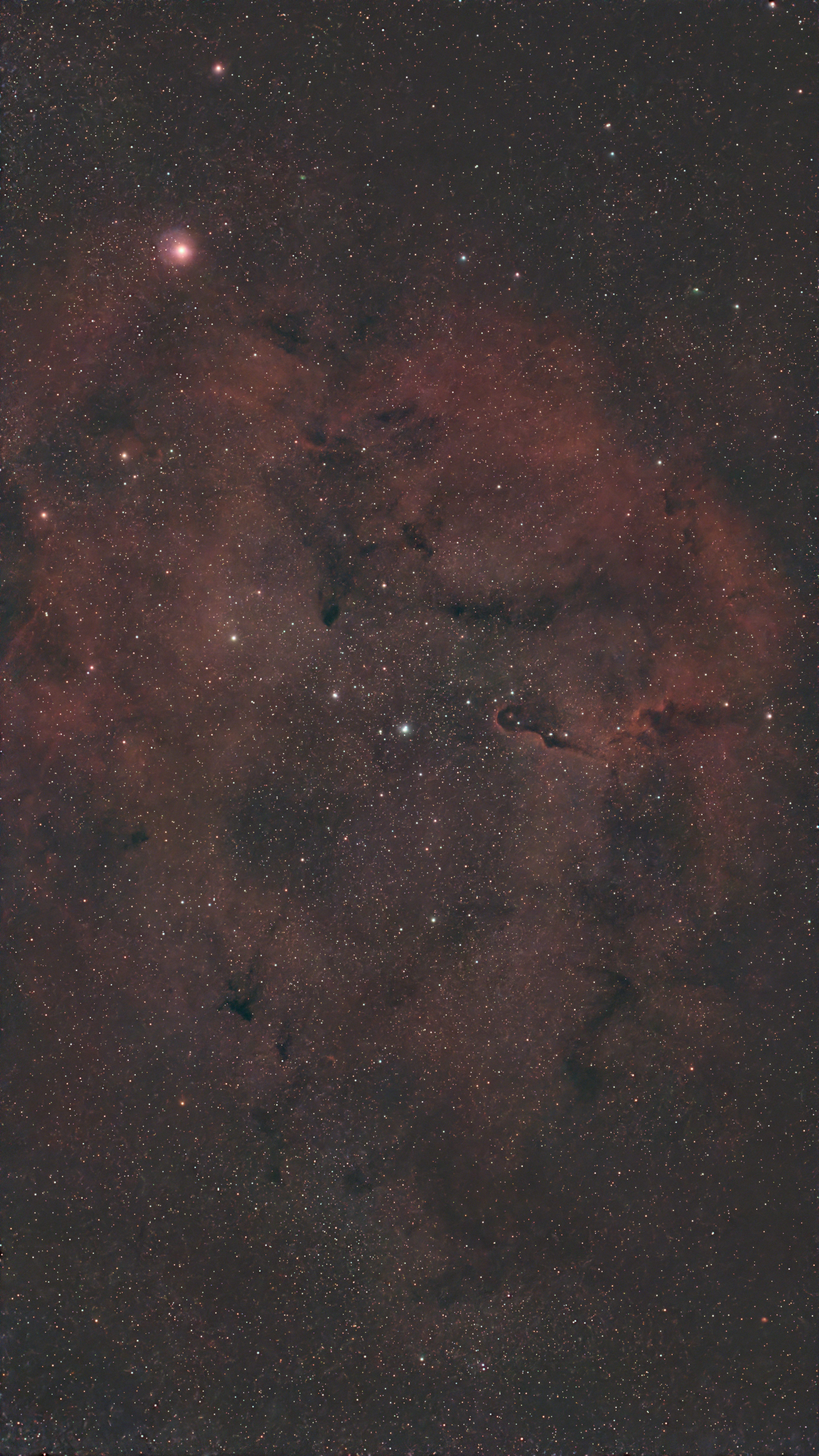
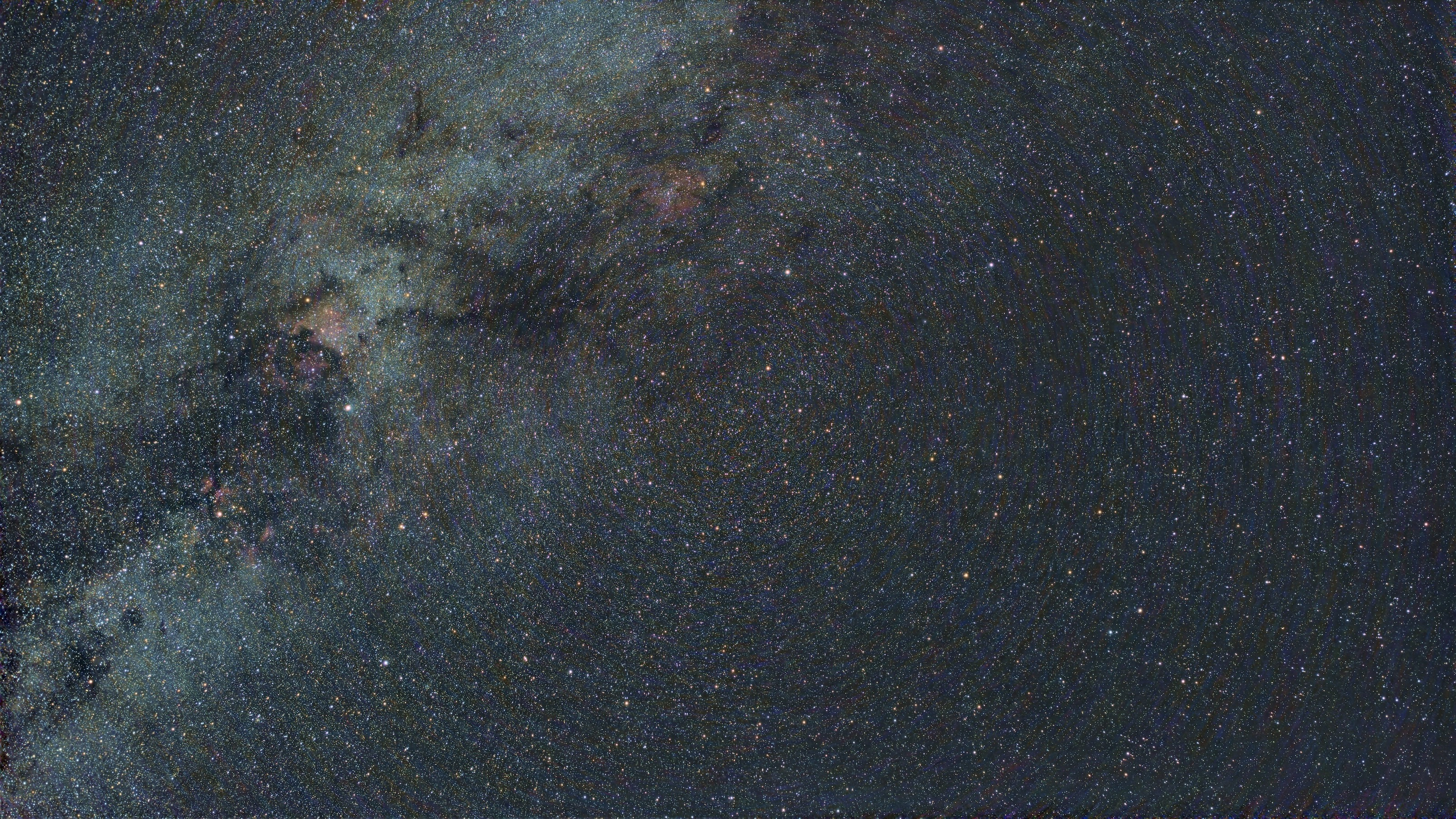

Messier 13 (NGC 6205), the Great Hercules Cluster, is the brightest globular cluster visible from the northern hemisphere, located in the constellation Hercules.
- Details
- Hits: 197
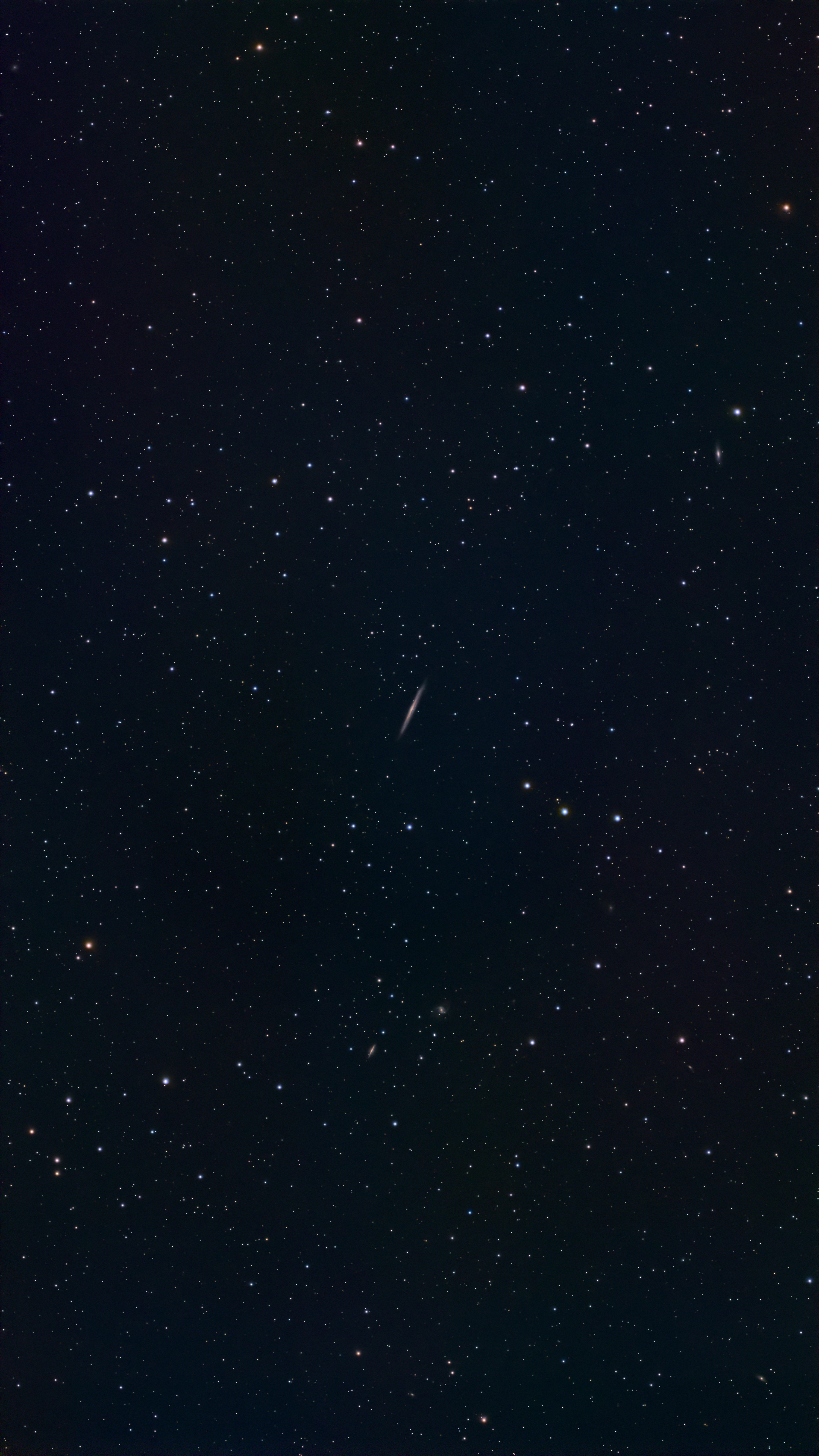
NGC 5907, known as the Splinter Galaxy or Knife Edge Galaxy, is a spiral galaxy in the constellation Draco seen almost perfectly edge-on, discovered by William Herschel in 1788.
- Details
- Hits: 224
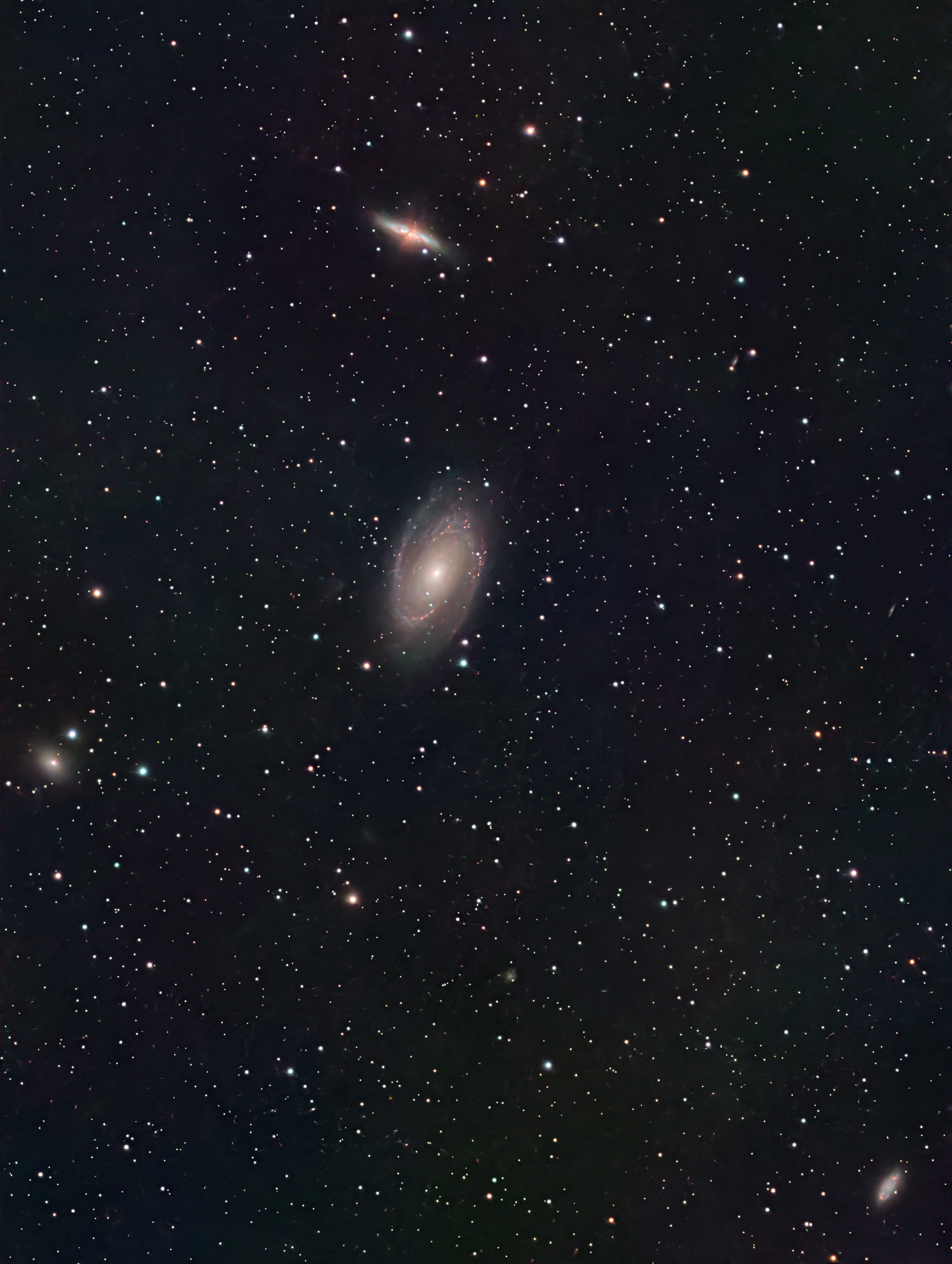
Messier 82, the Cigar Galaxy, is an edge-on starburst galaxy in Ursa Major, located about 12 million light-years away and gravitationally paired with the larger spiral M81, from which it lies only about 130,000-150,000 light-years distant.
- Details
- Hits: 205
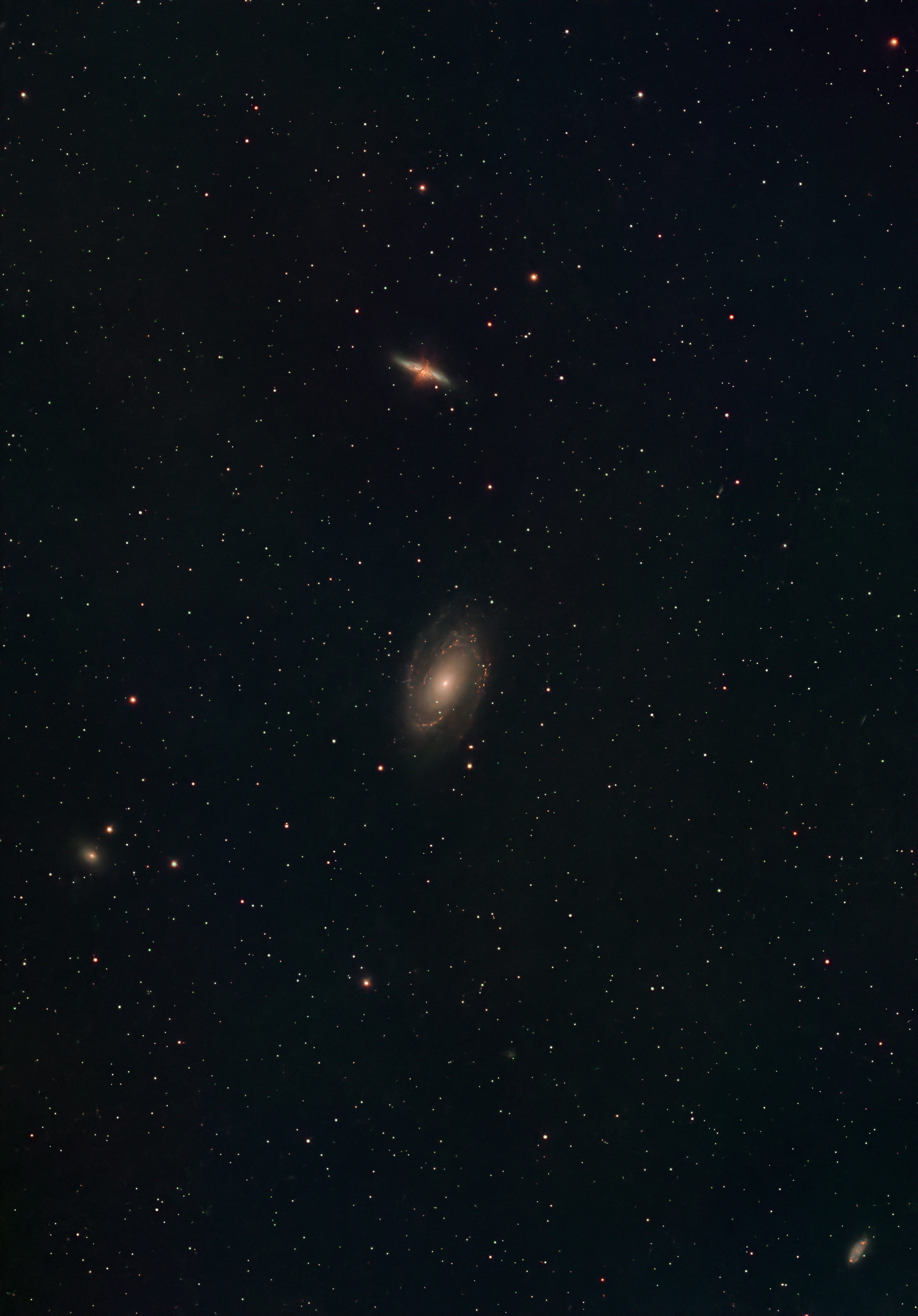
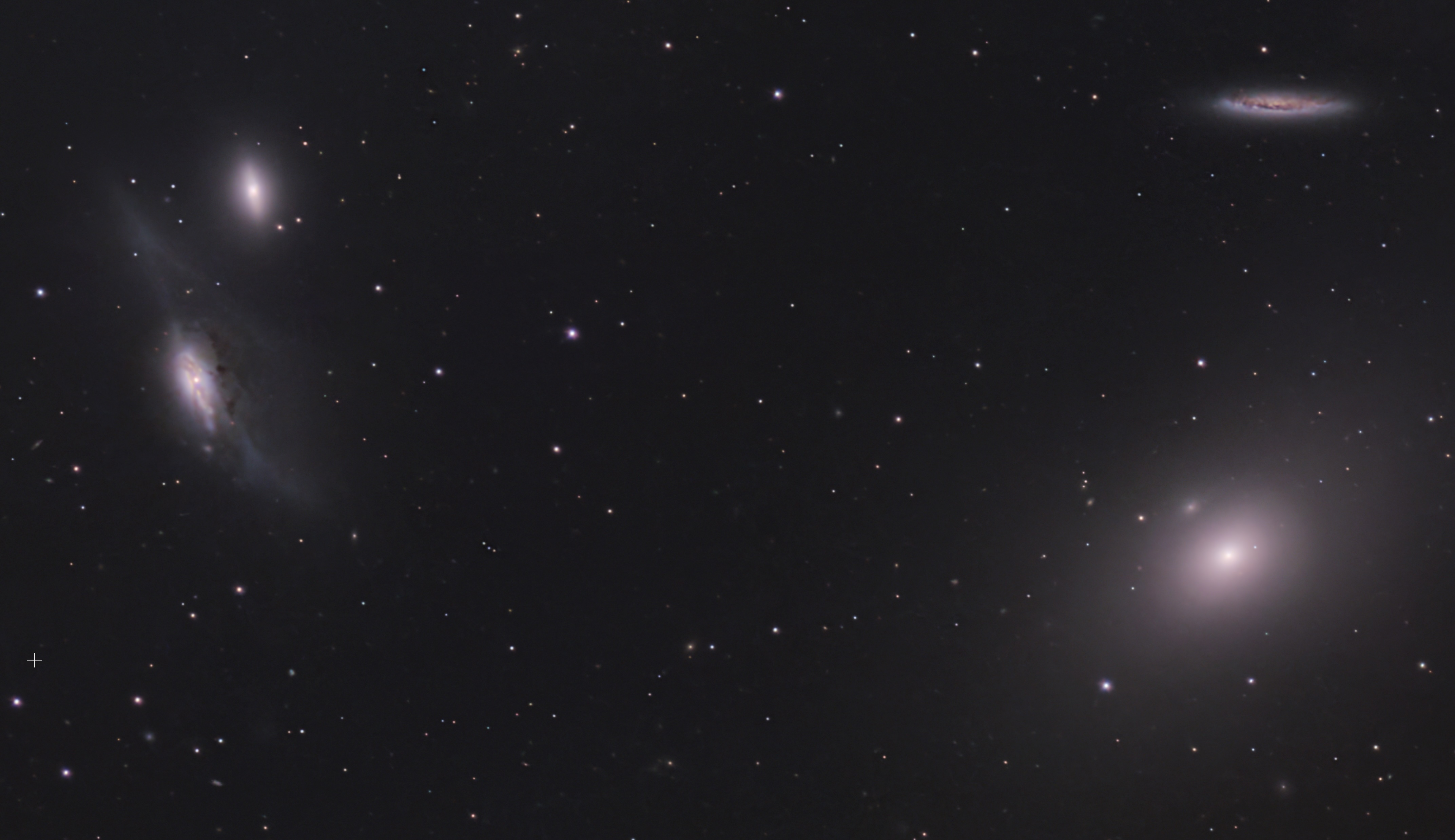
Markarian's Chain is a striking string of roughly eight galaxies stretching across the boundary between Virgo and Coma Berenices, forming part of the core of the Virgo Cluster, the nearest large galaxy cluster to the Milky Way, at a distance of around 50-60 million light-years.
- Details
- Hits: 171
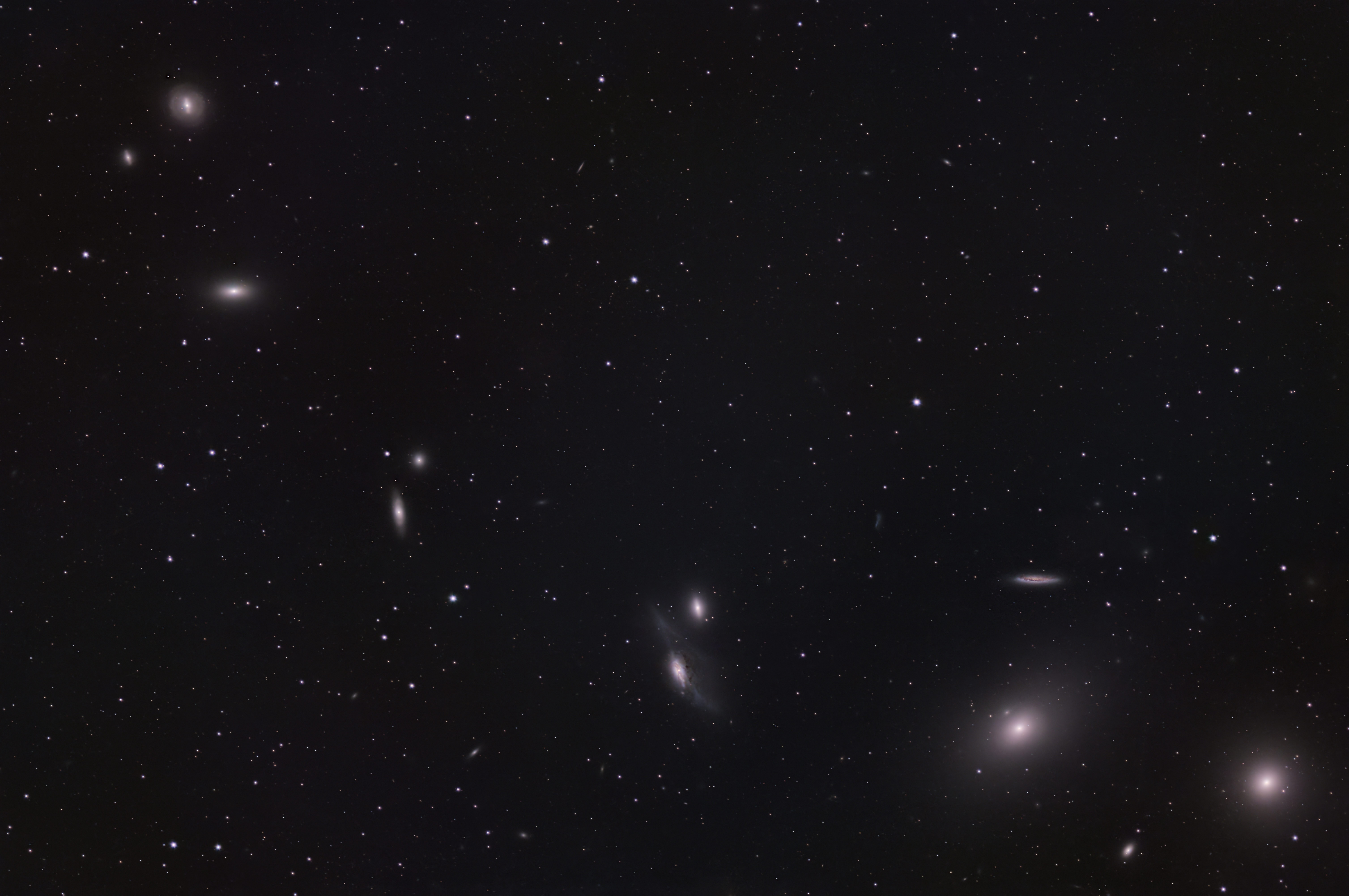
Markarian's Chain is a striking string of roughly eight galaxies stretching across the boundary between Virgo and Coma Berenices, forming part of the core of the Virgo Cluster, the nearest large galaxy cluster to the Milky Way, at a distance of around 50-60 million light-years.
- Details
- Hits: 191
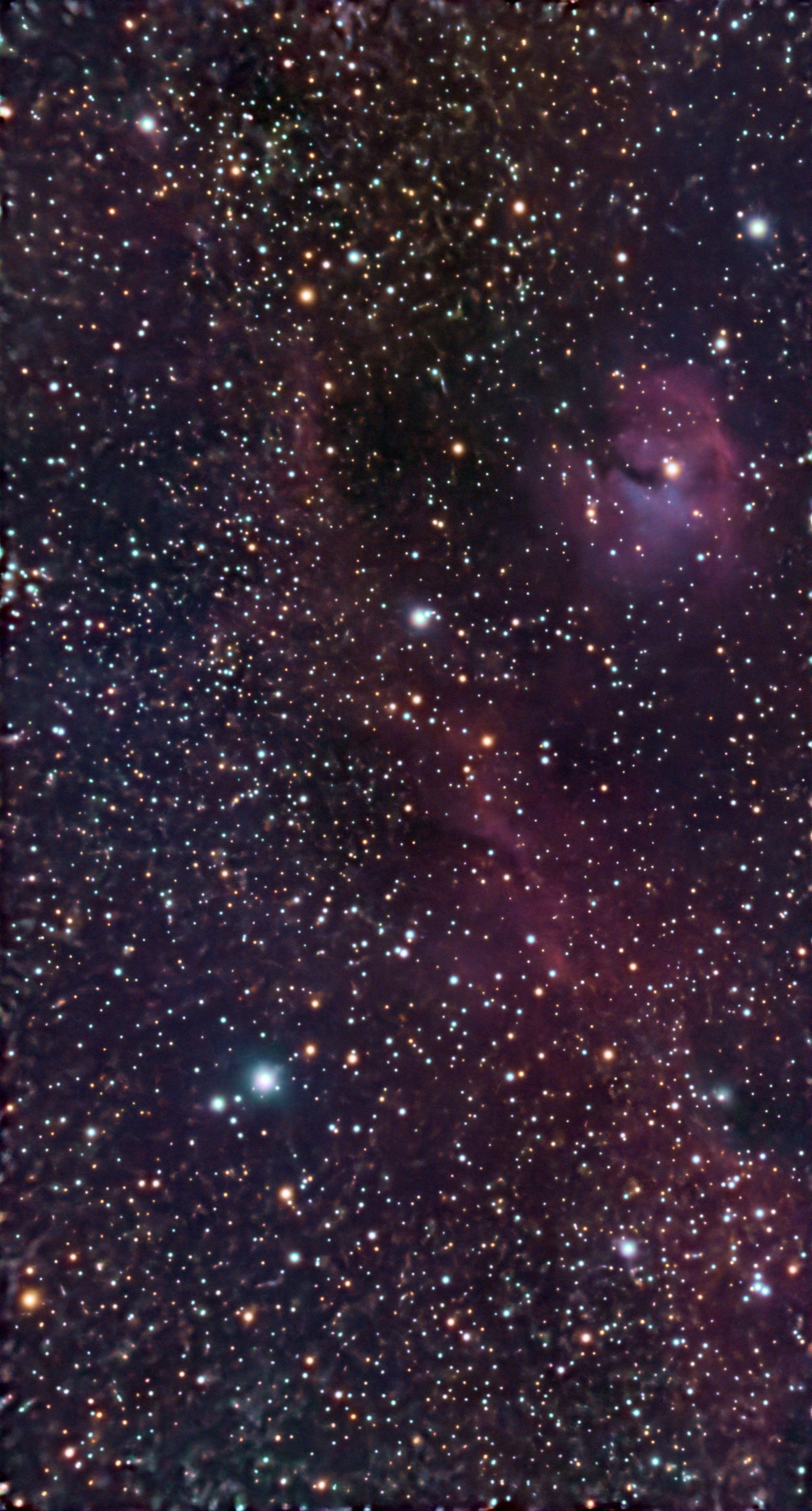
The Seagull Nebula is a large emission nebula complex straddling the border of Monoceros and Canis Major, roughly 3,650 light-years away and spanning about 100 light-years, or some 3 degrees on the sky (about seven times the apparent width of the full Moon).
- Details
- Hits: 212
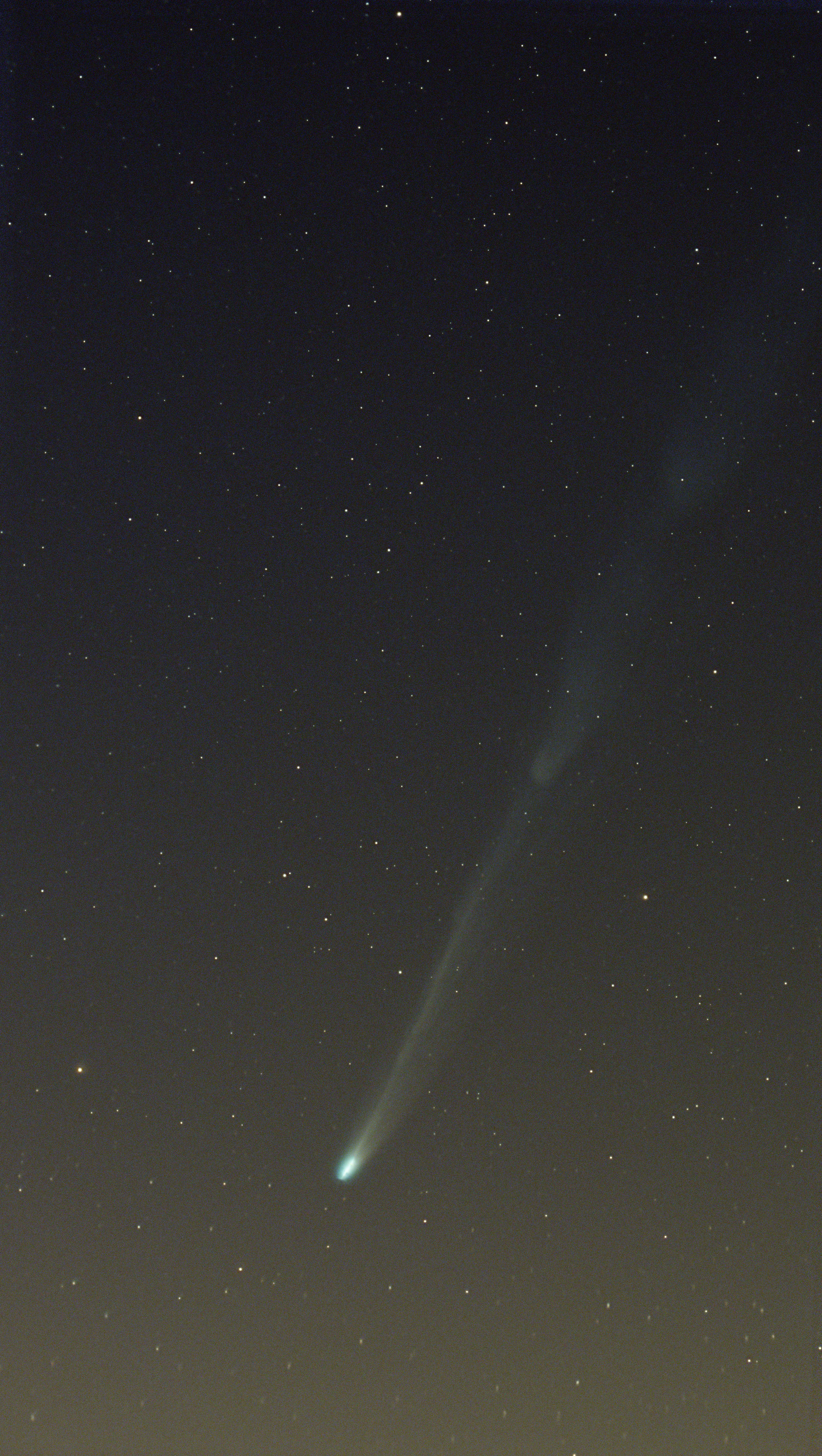
Comet C/2025 R3 (PANSTARRS) is a long-period comet discovered on September 8, 2025 by Yudish Ramanjooloo using the Pan-STARRS2 1.8-meter telescope on Haleakalā, Hawaii, when it appeared as a faint, roughly 19th-20th magnitude object in Andromeda some 3.6 AU from the Sun.
- Details
- Hits: 331
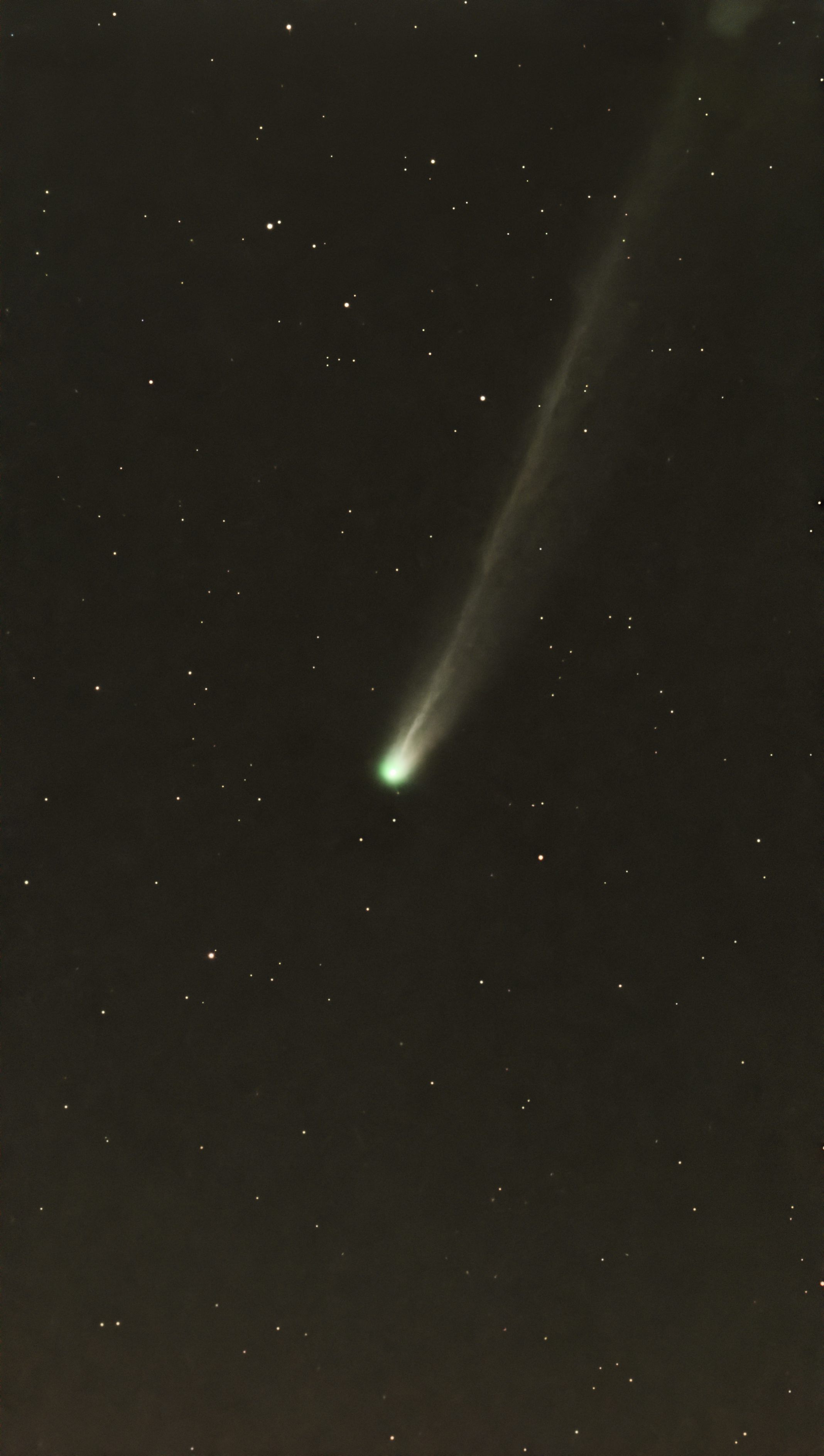
Comet C/2025 R3 (PANSTARRS) is a long-period comet discovered on September 8, 2025 by Yudish Ramanjooloo using the Pan-STARRS2 1.8-meter telescope on Haleakalā, Hawaii, when it appeared as a faint, roughly 19th-20th magnitude object in Andromeda some 3.6 AU from the Sun.
- Details
- Hits: 196
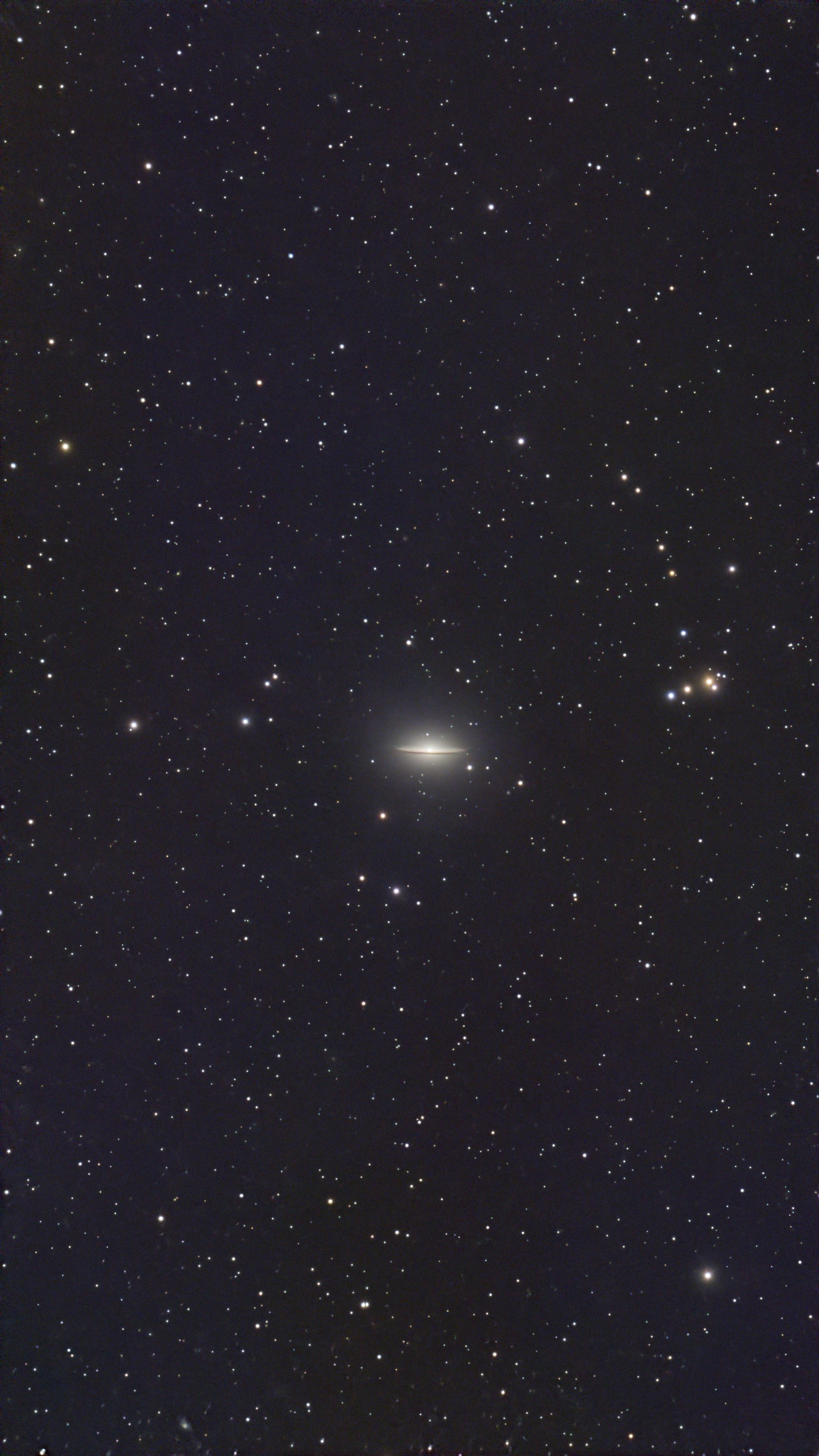
Messier 104, the Sombrero Galaxy, is a spiral galaxy of somewhat ambiguous classification straddling the Virgo/Corvus border, often described as intermediate between a spiral and a lenticular galaxy.
- Details
- Hits: 180
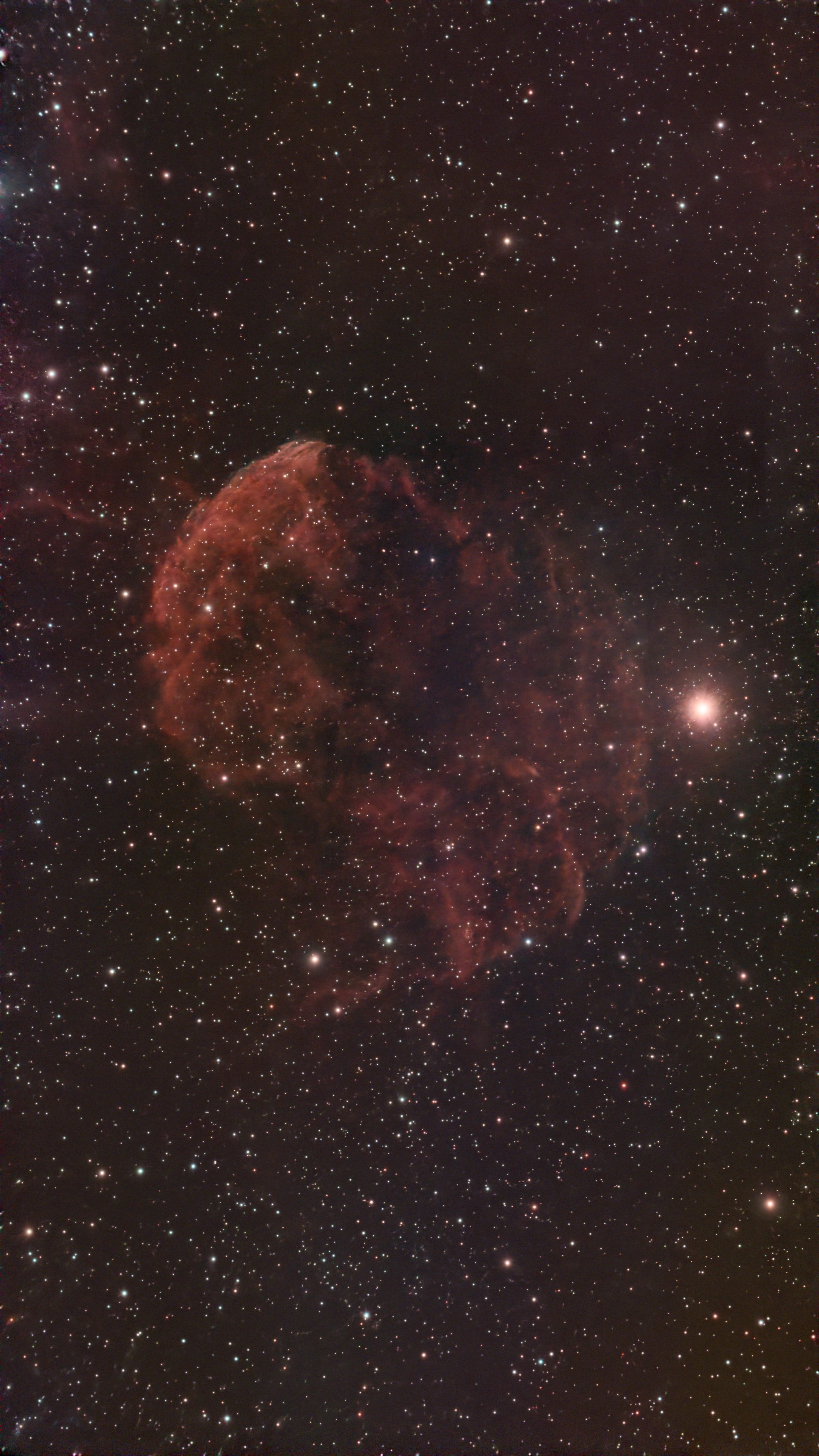
IC 443, nicknamed the Jellyfish Nebula, is a supernova remnant in the constellation Gemini, located near the star Eta Geminorum at the foot of the Twins.
- Details
- Hits: 179
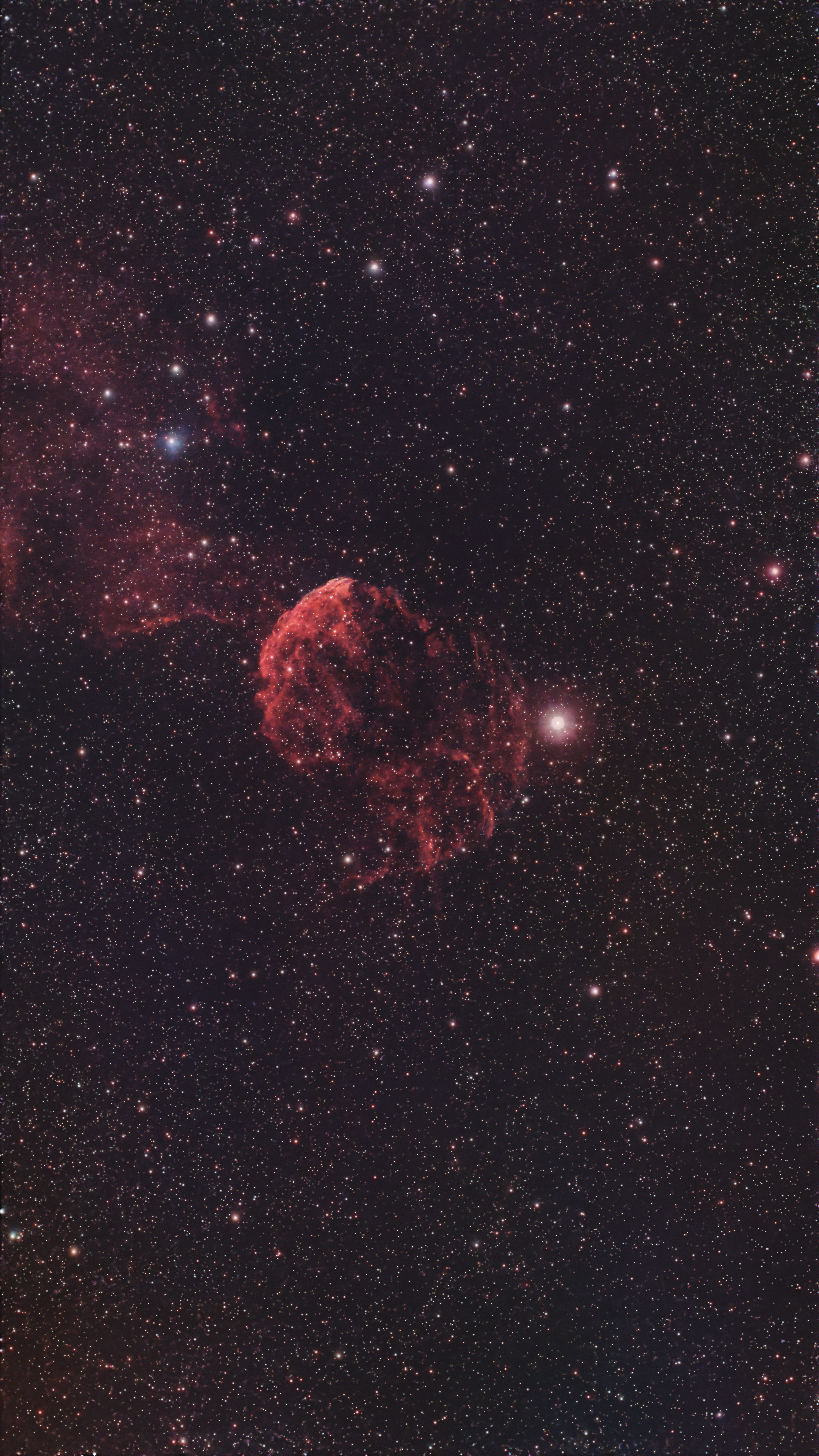
IC 443, nicknamed the Jellyfish Nebula, is a supernova remnant in the constellation Gemini, located near the star Eta Geminorum at the foot of the Twins.
- Details
- Hits: 220
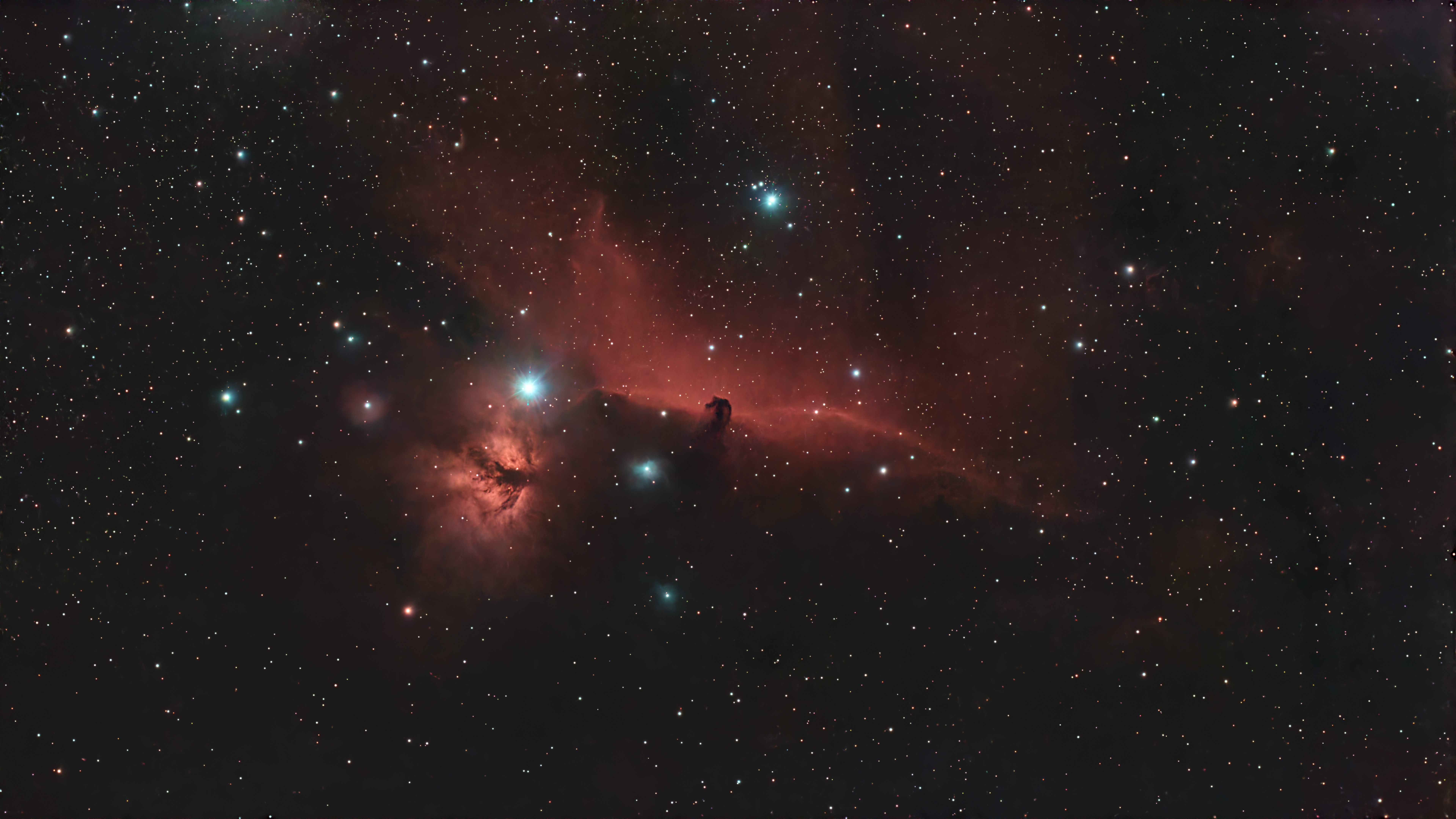
IC 405, the Flaming Star Nebula, is a mixed emission and reflection nebula in the constellation Auriga, surrounding the bright, irregular variable star AE Aurigae.
- Details
- Hits: 296
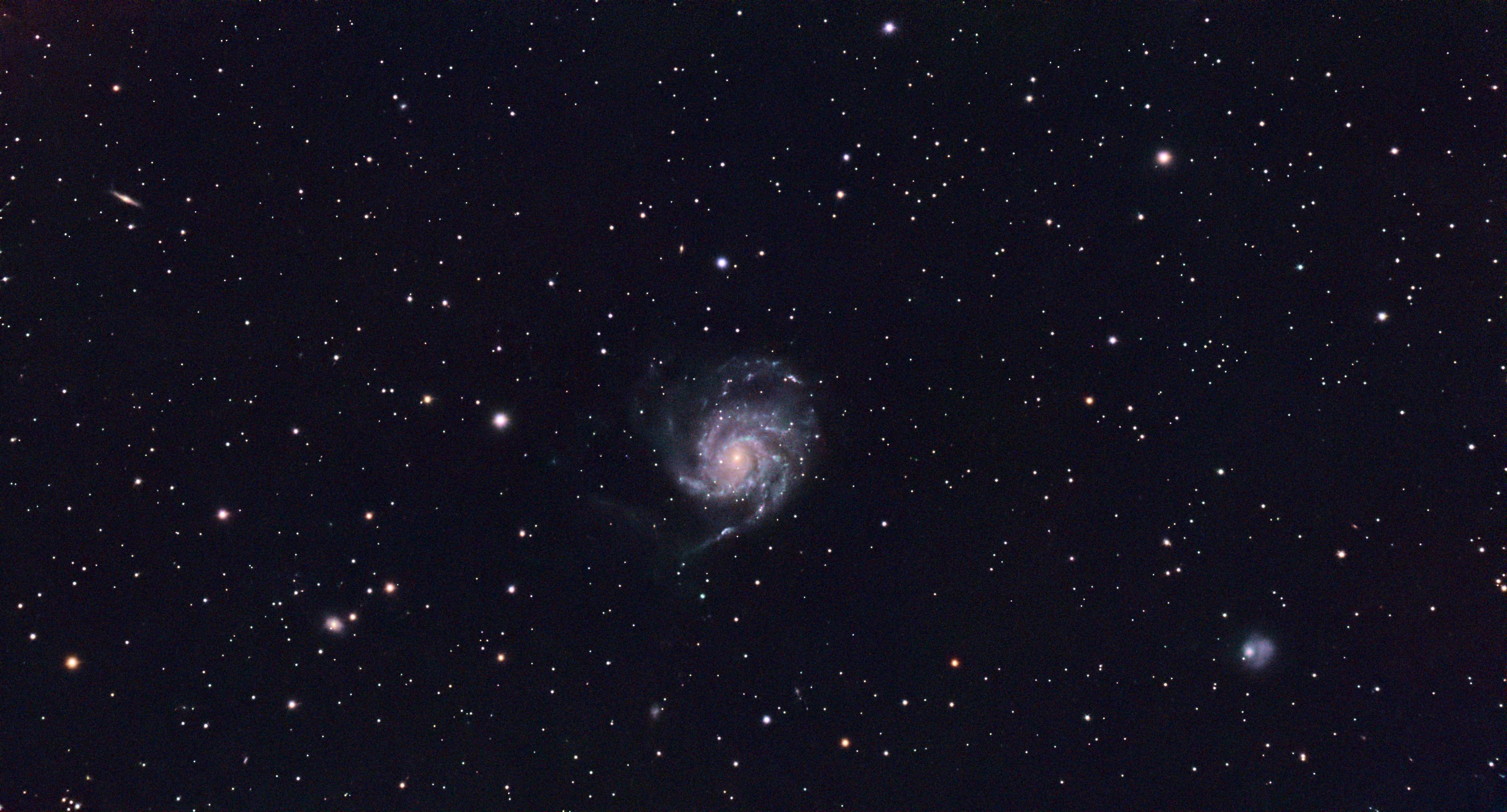
Messier 101, the Pinwheel Galaxy, is a large, face-on “grand design” spiral galaxy in Ursa Major, cataloged as NGC 5457.
- Details
- Hits: 220
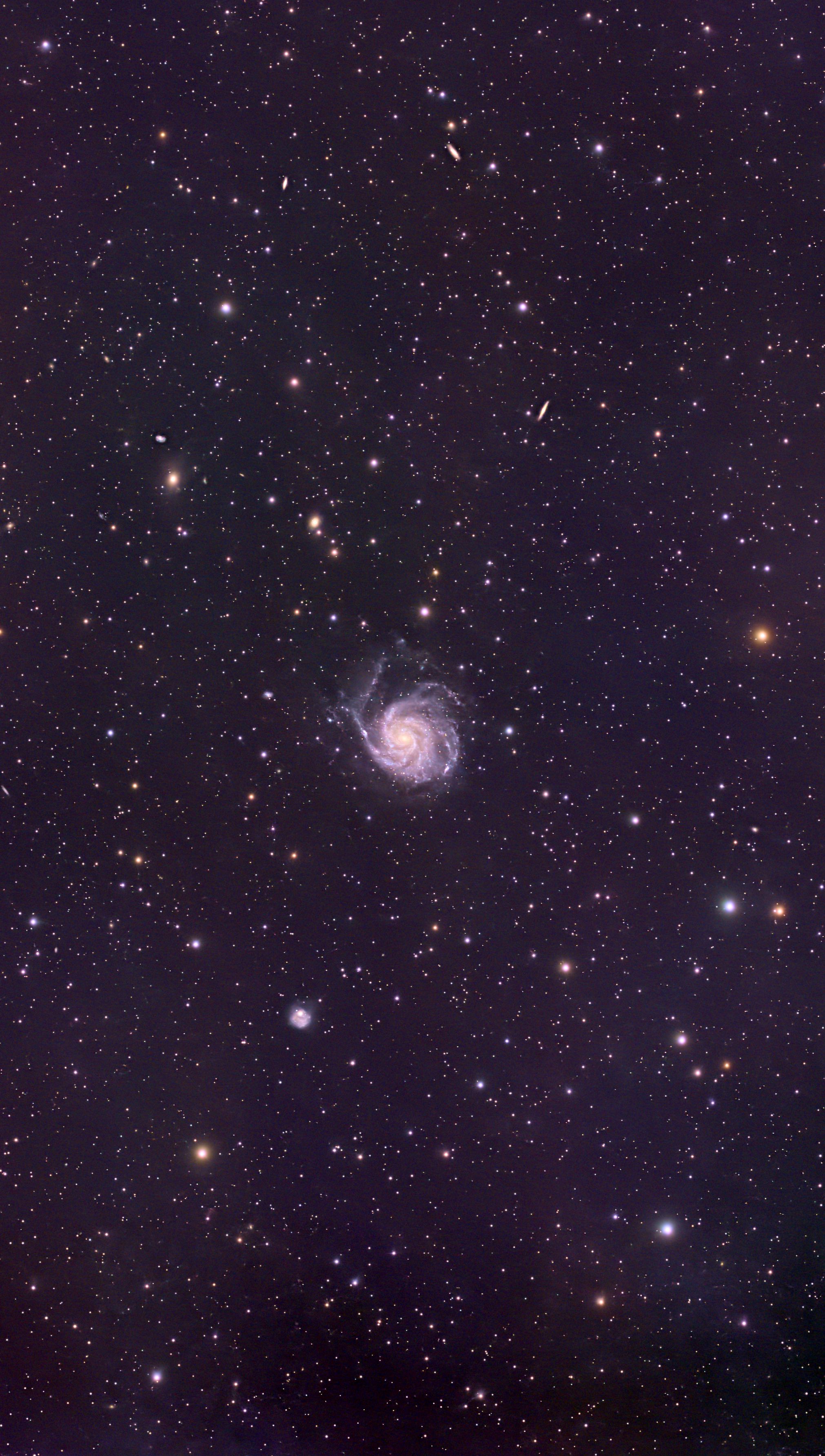
Messier 101, the Pinwheel Galaxy, is a large, face-on “grand design” spiral galaxy in Ursa Major, cataloged as NGC 5457.
- Details
- Hits: 188
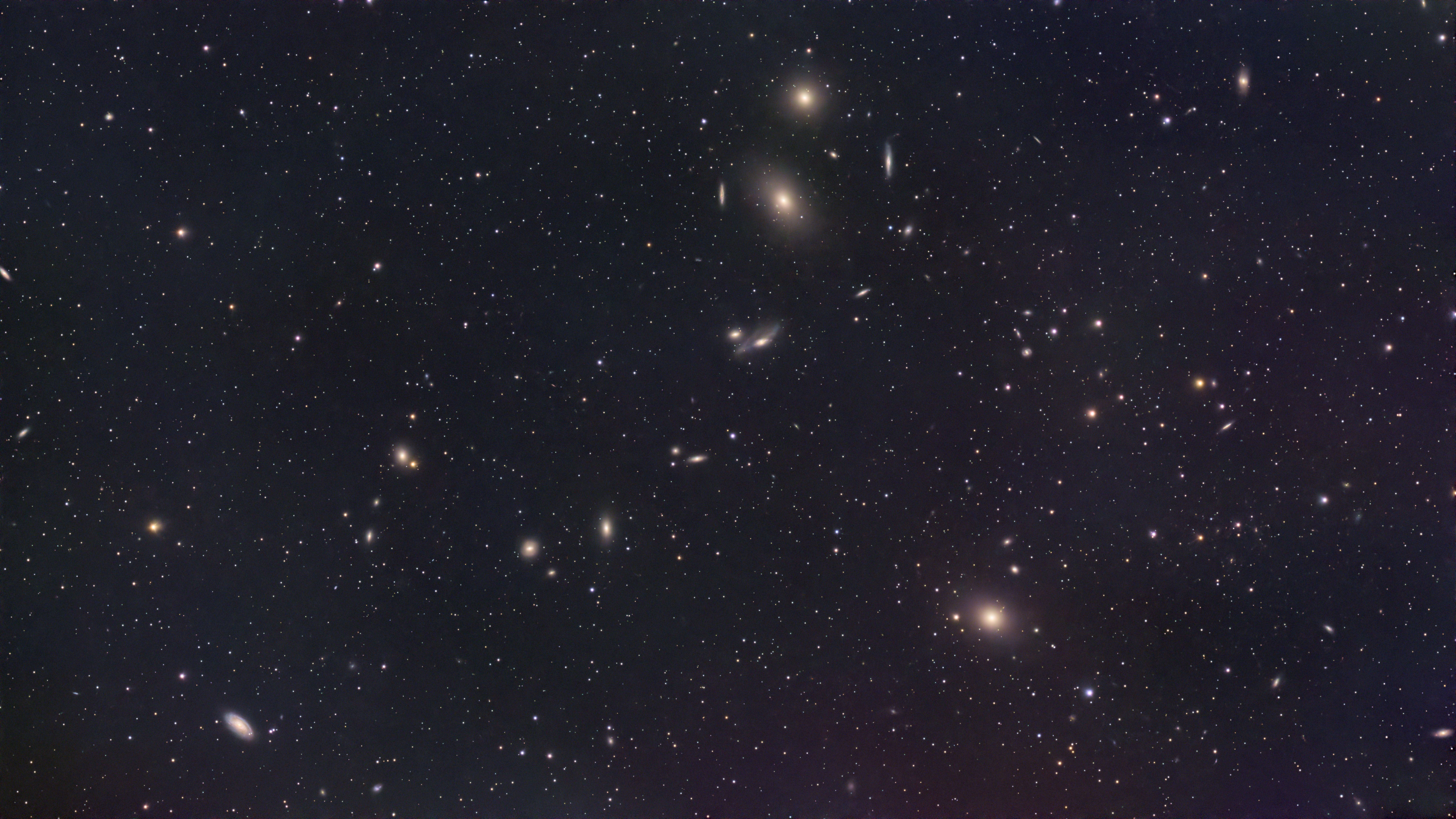
Markarian's Chain is a striking string of roughly eight galaxies stretching across the boundary between Virgo and Coma Berenices, forming part of the core of the Virgo Cluster, the nearest large galaxy cluster to the Milky Way, at a distance of around 50-60 million light-years.
- Details
- Hits: 215
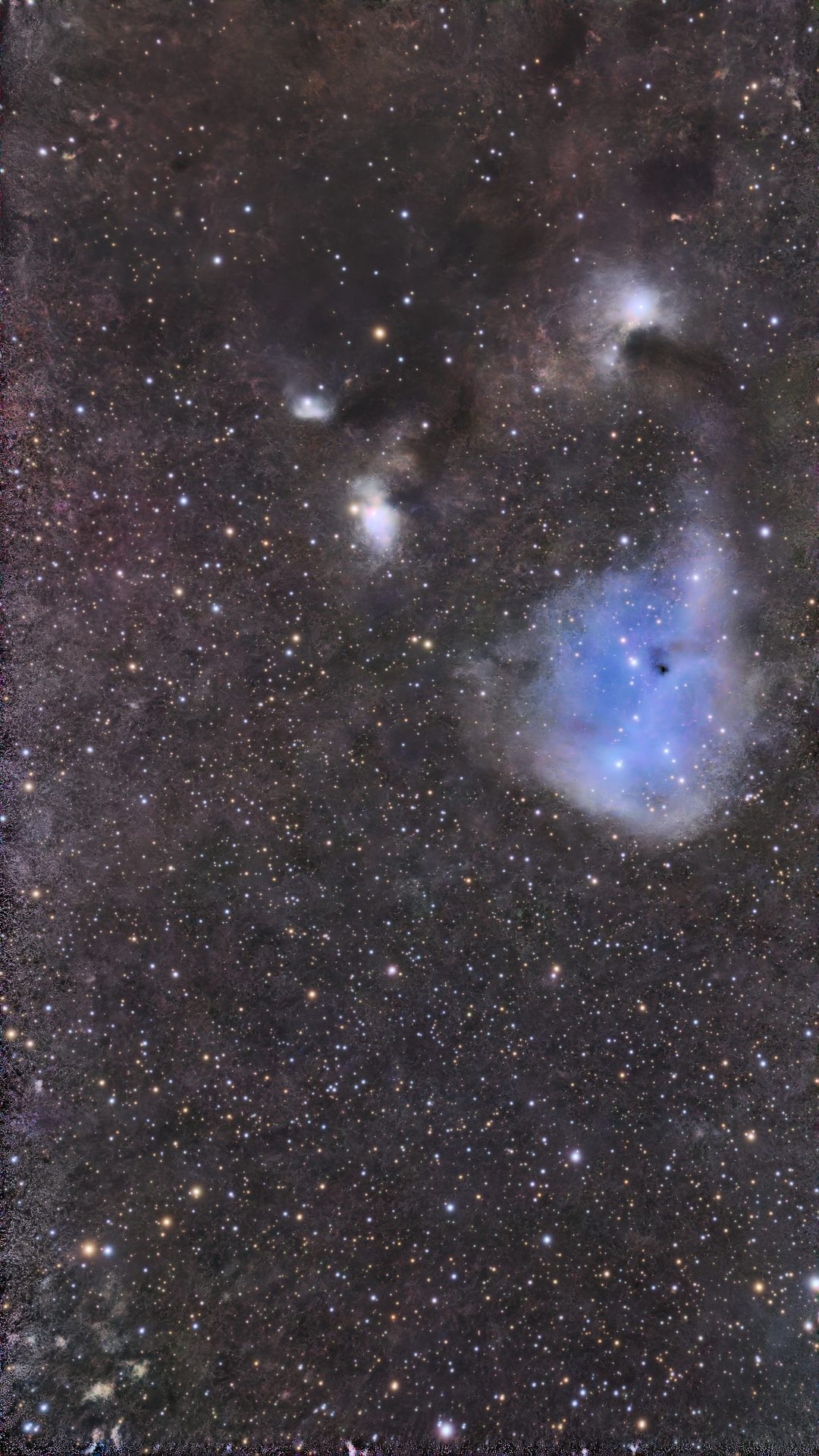
IC 2169, sometimes called Dreyer's Nebula, is a bright blue reflection nebula in the constellation Monoceros, lying roughly two degrees west of the more famous Cone Nebula and Christmas Tree Cluster (NGC 2264).
- Details
- Hits: 203
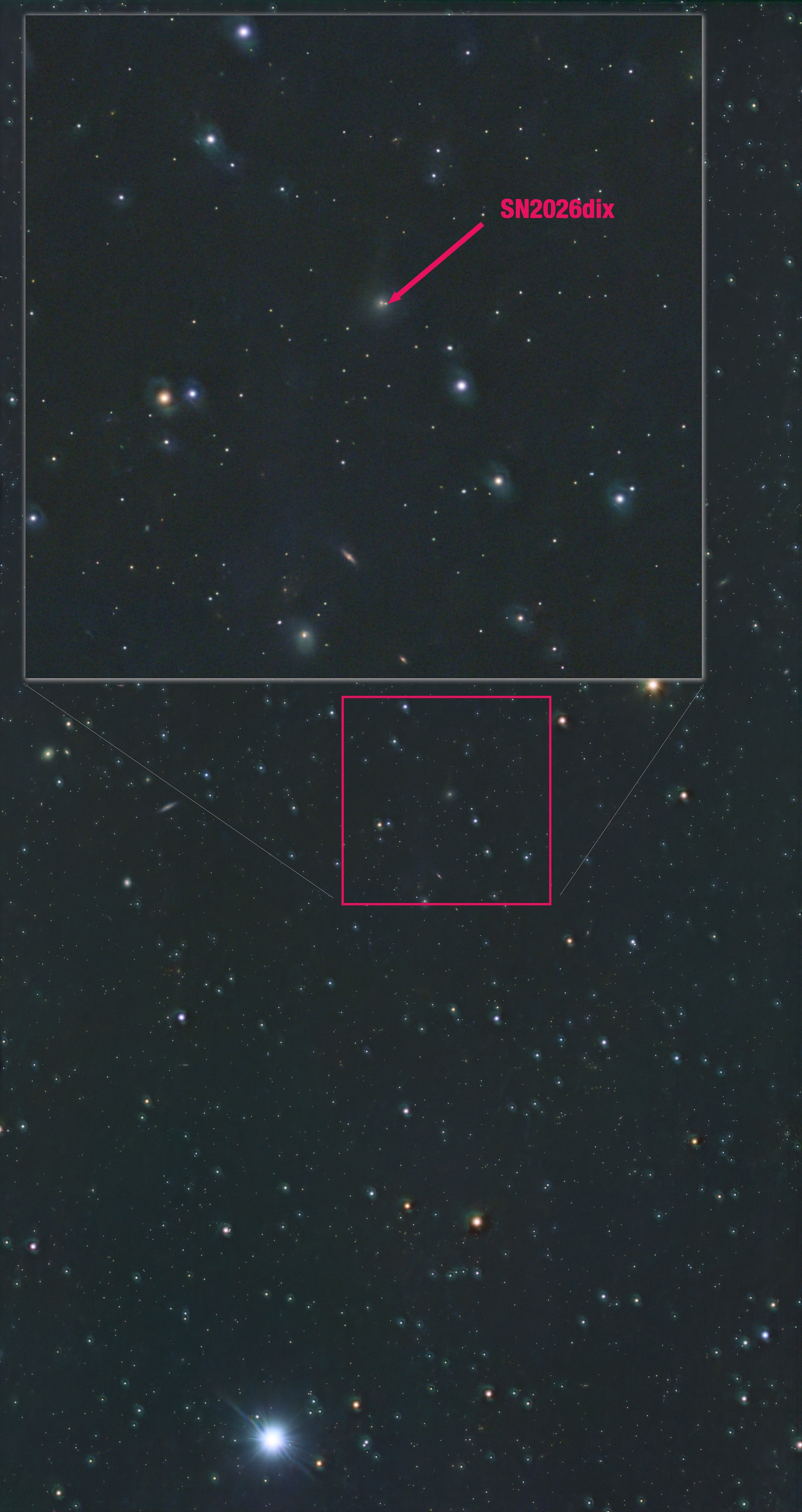
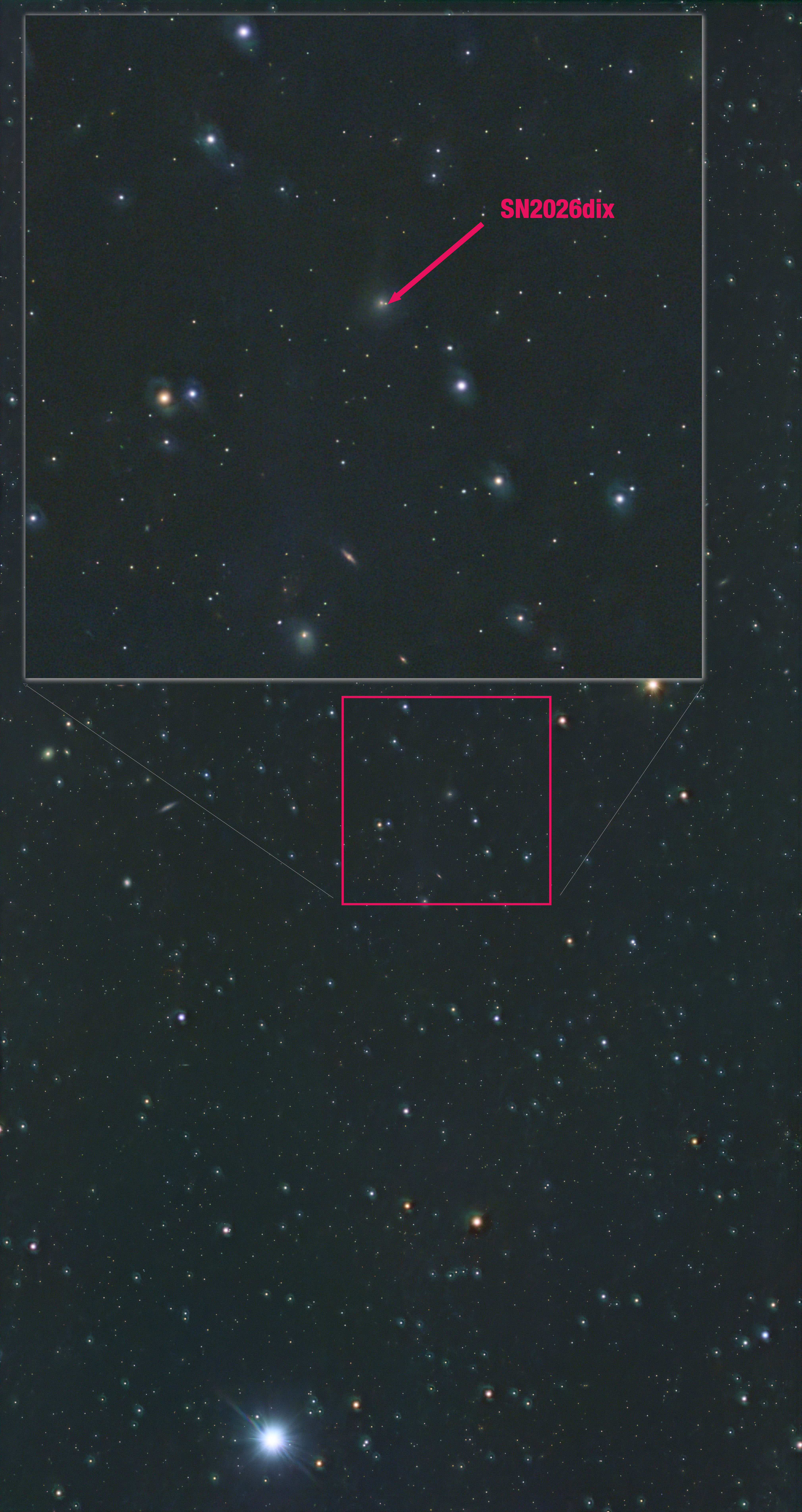
SN 2026dix is a supernova discovered on February 16, 2026 by the MASTER robotic telescope network, appearing within the spiral arms of the galaxy NGC 3913 in Ursa Major.
- Details
- Hits: 201
Click on the image to view it at full resolution, then click again for actual size.
- Details
- Hits: 435
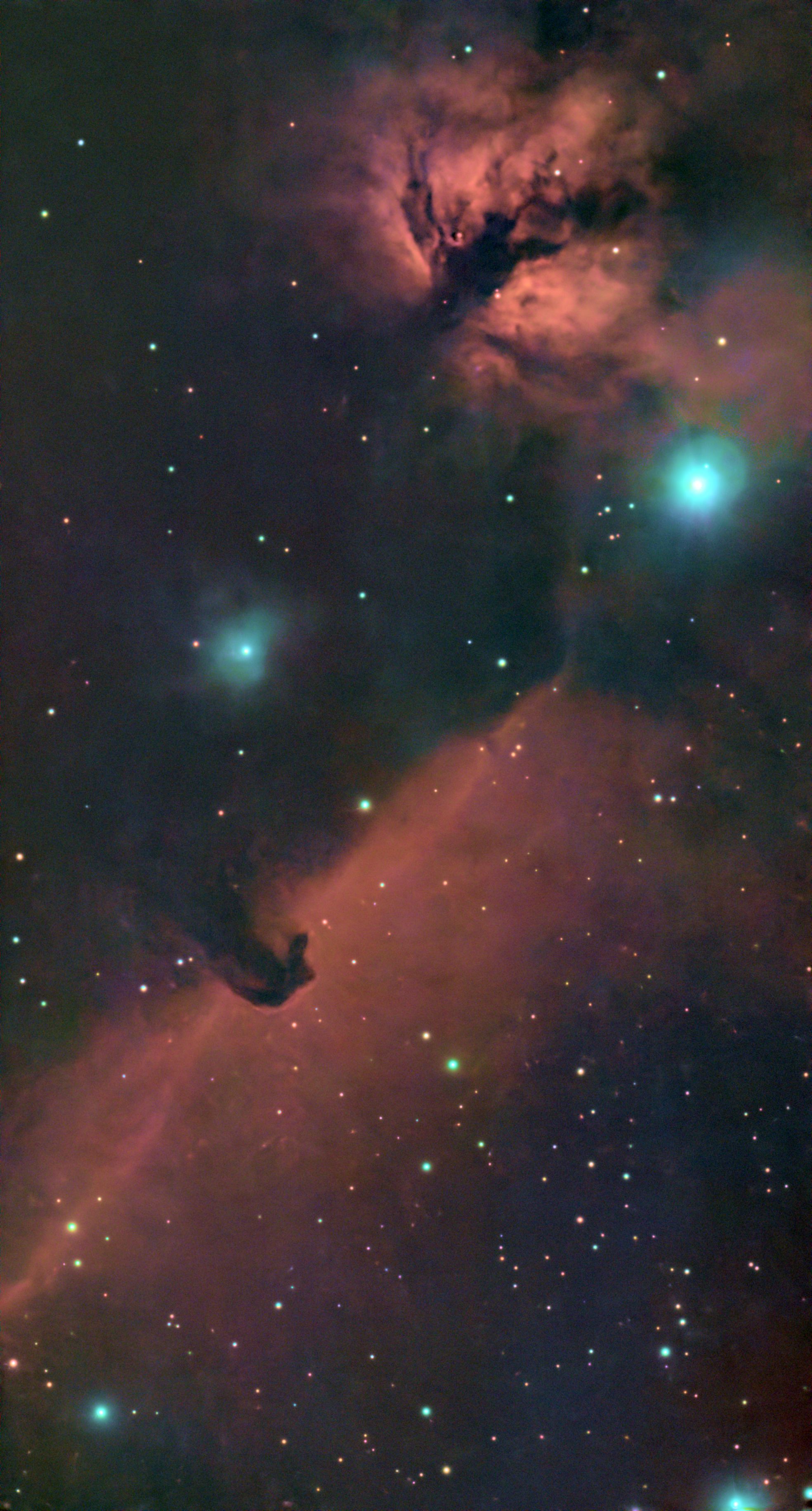
The Horsehead Nebula (Barnard 33) is a dark nebula silhouetted against the glowing red emission nebula IC 434 in the constellation Orion, just south of Alnitak (Zeta Orionis), the easternmost star in Orion's Belt.
- Details
- Hits: 216
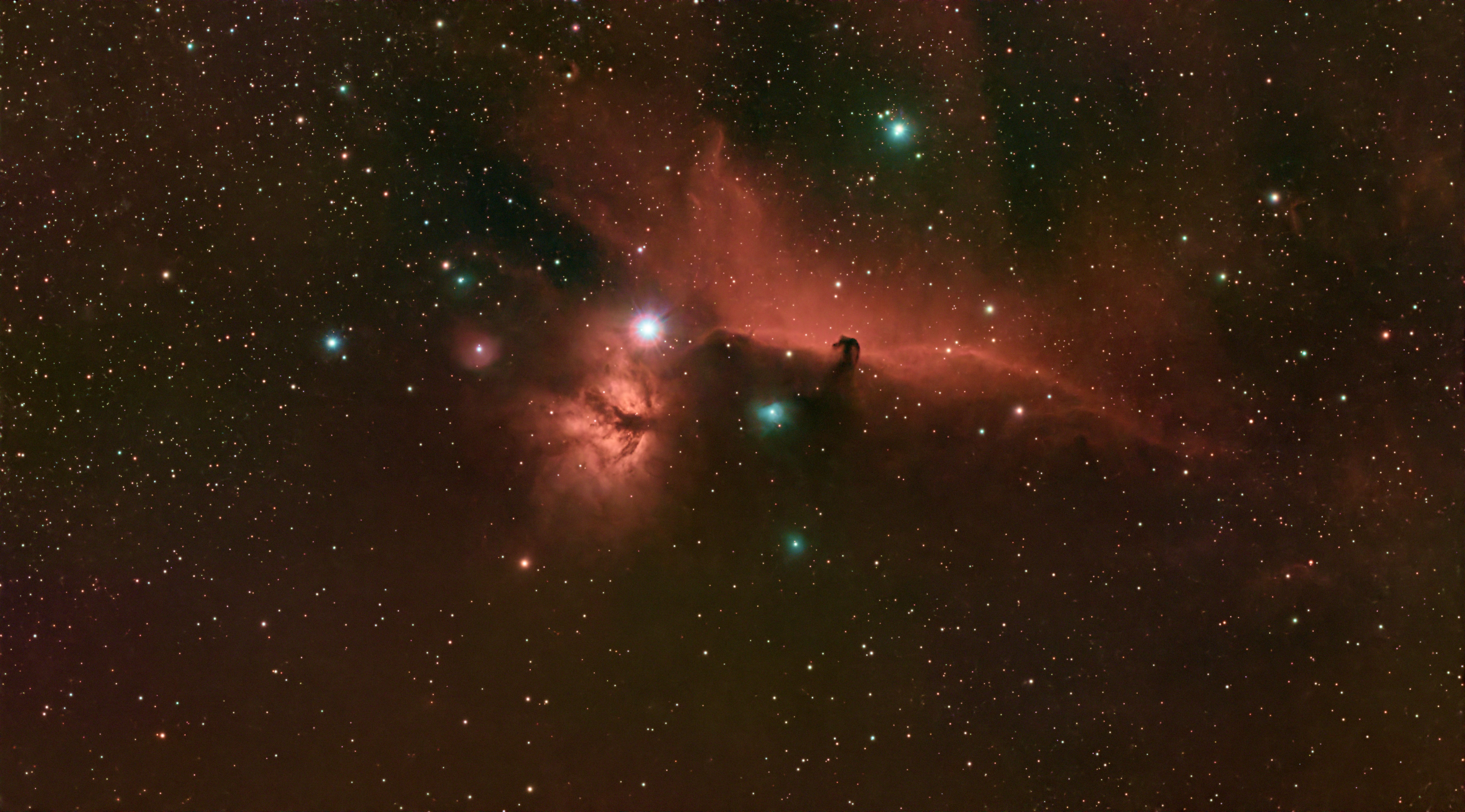
The Horsehead Nebula (Barnard 33) is a dark nebula silhouetted against the glowing red emission nebula IC 434 in the constellation Orion, just south of Alnitak (Zeta Orionis), the easternmost star in Orion's Belt.
- Details
- Hits: 231
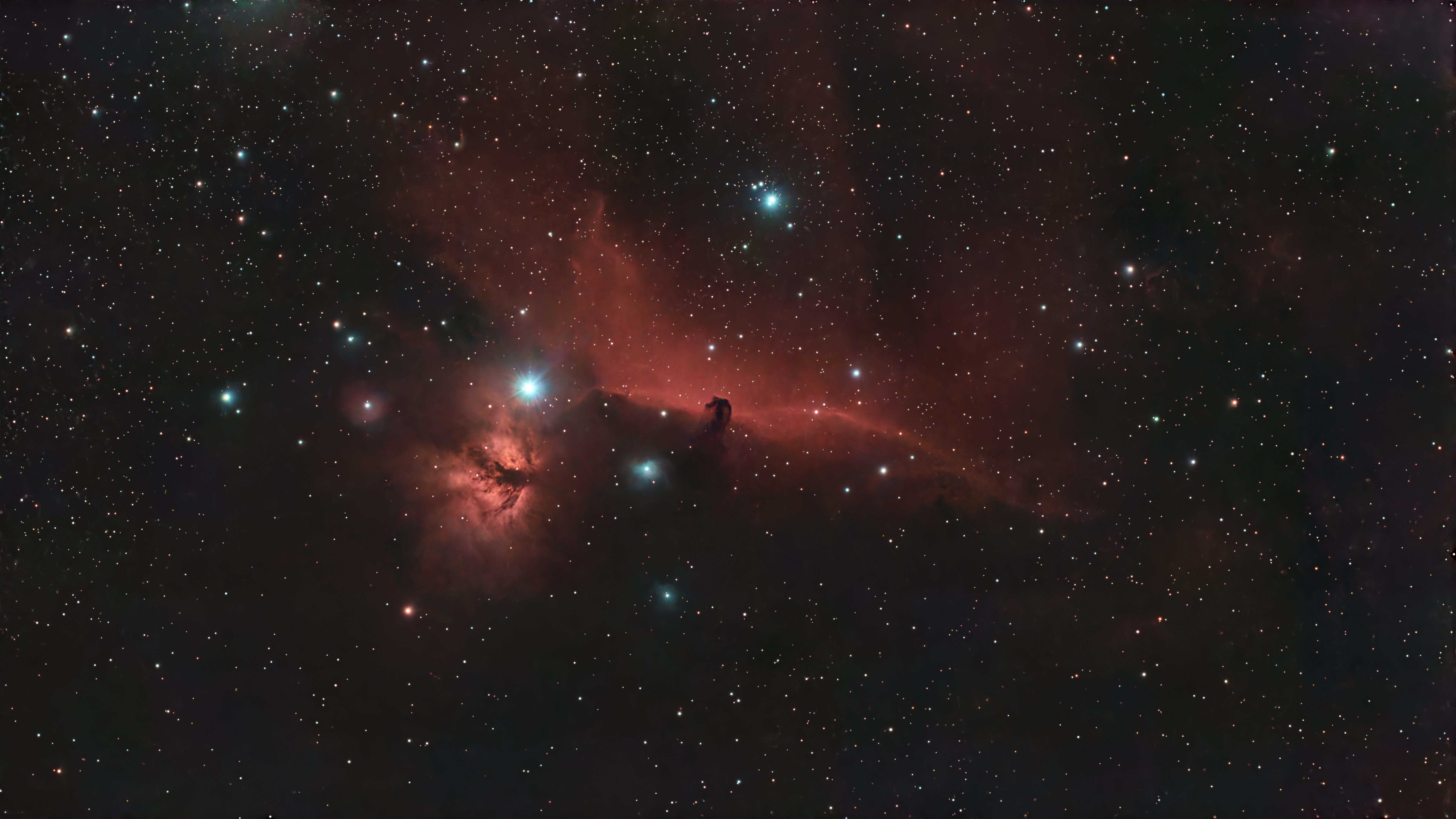
Click on the image to view it at full resolution, then click again for actual size.
- Details
- Hits: 327
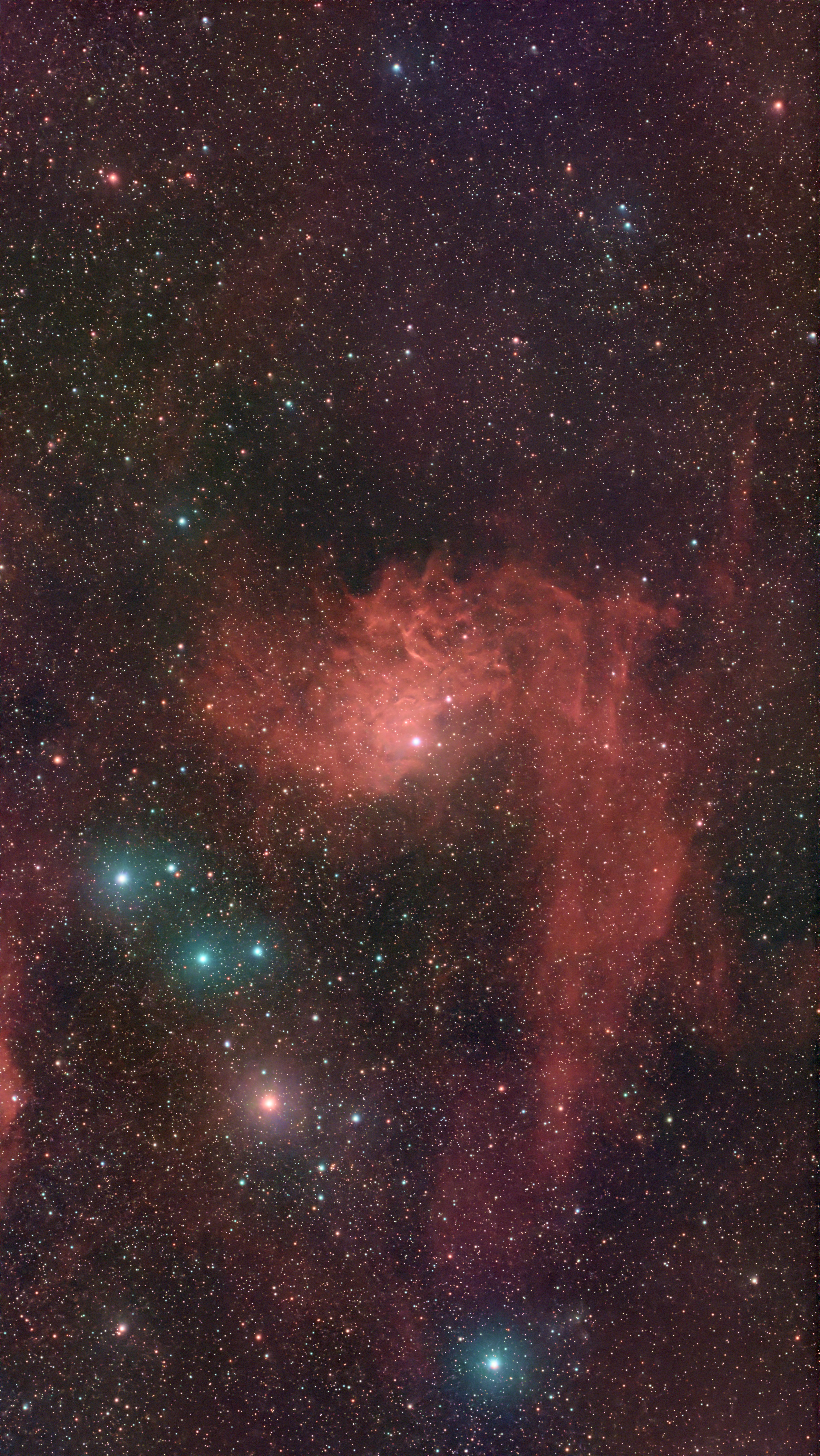
IC 405, the Flaming Star Nebula, is a mixed emission and reflection nebula in the constellation Auriga, surrounding the bright, irregular variable star AE Aurigae.
- Details
- Hits: 224
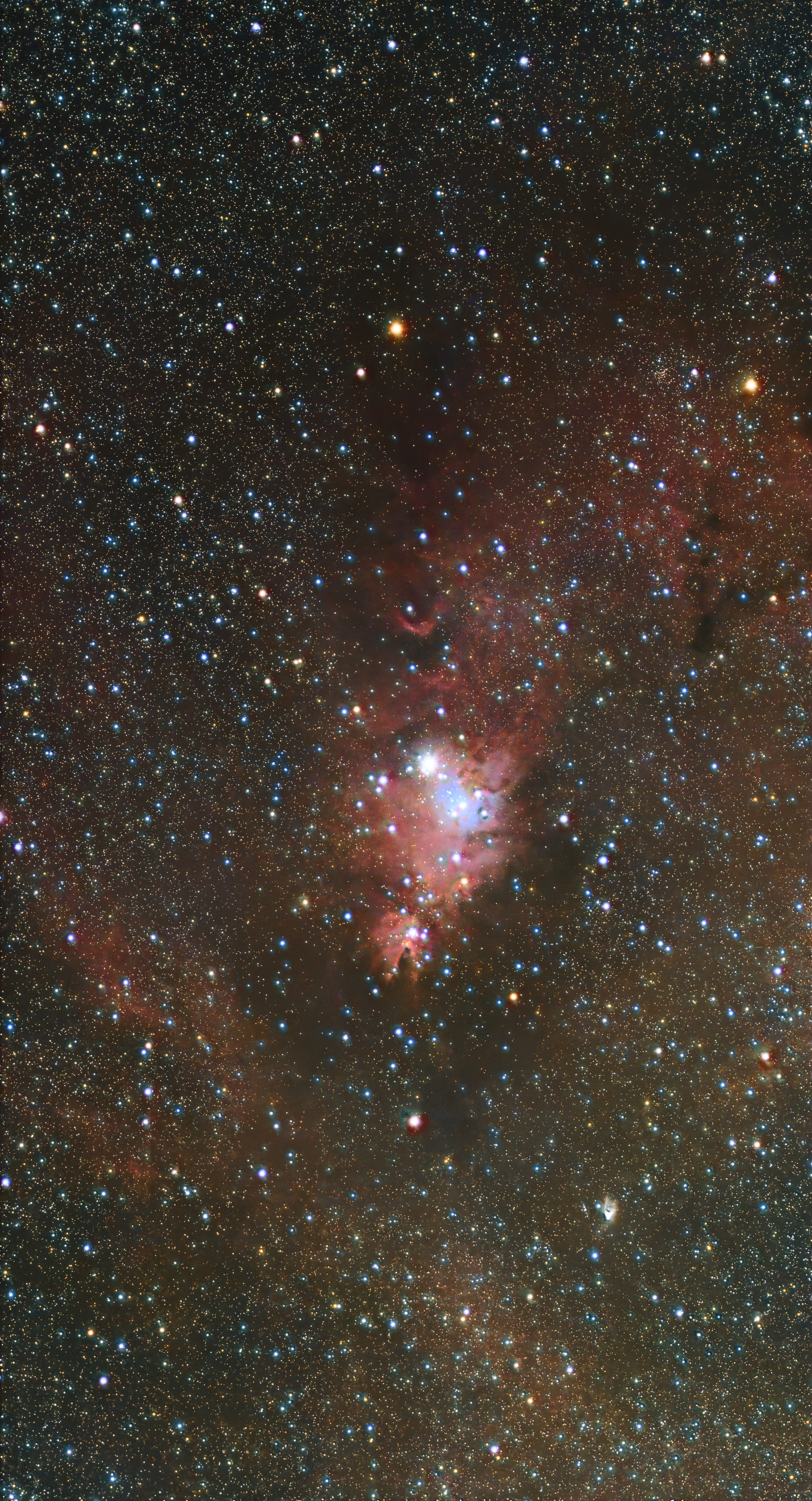
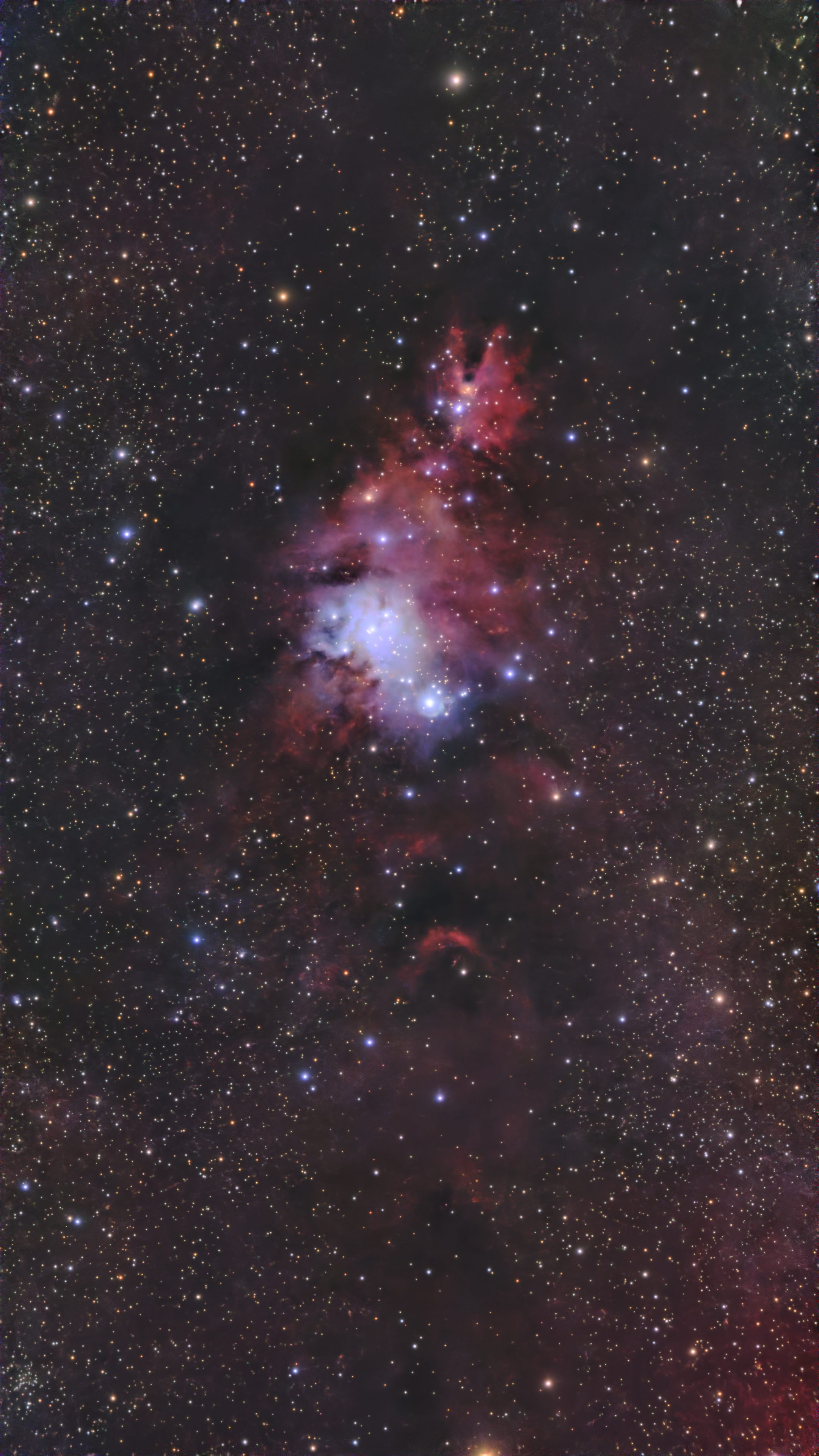
NGC 2264 is a combined designation covering the Christmas Tree Cluster, a young open star cluster in Monoceros, and the adjoining Cone Nebula, a dark, pillar-like dust column at its southern tip.
- Details
- Hits: 163
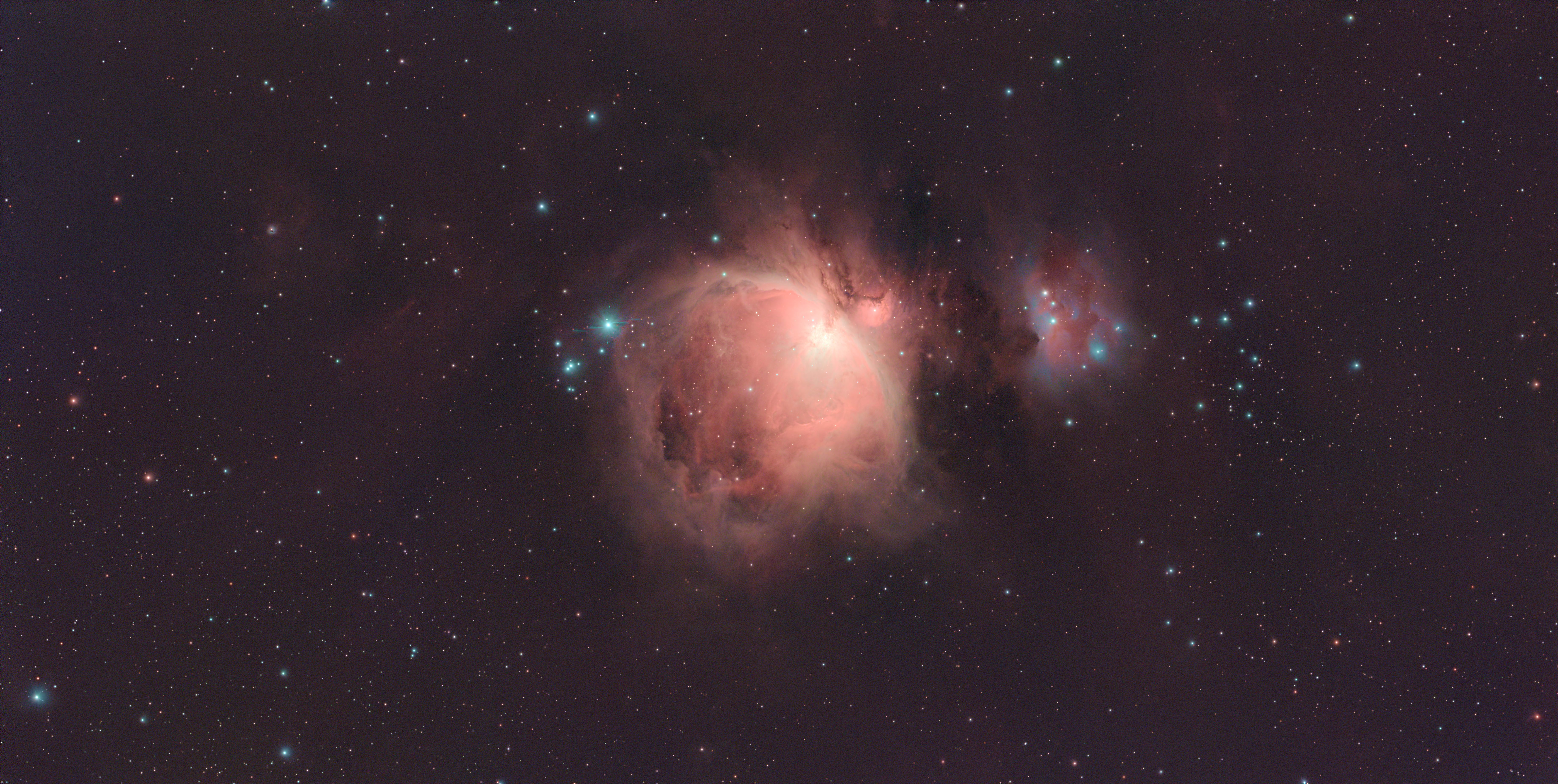
The Orion Nebula (M42, NGC 1976) is a diffuse emission nebula in the constellation Orion and the closest large region of massive star formation to Earth, at a distance of roughly 1,300-1,350 light-years.
- Details
- Hits: 227
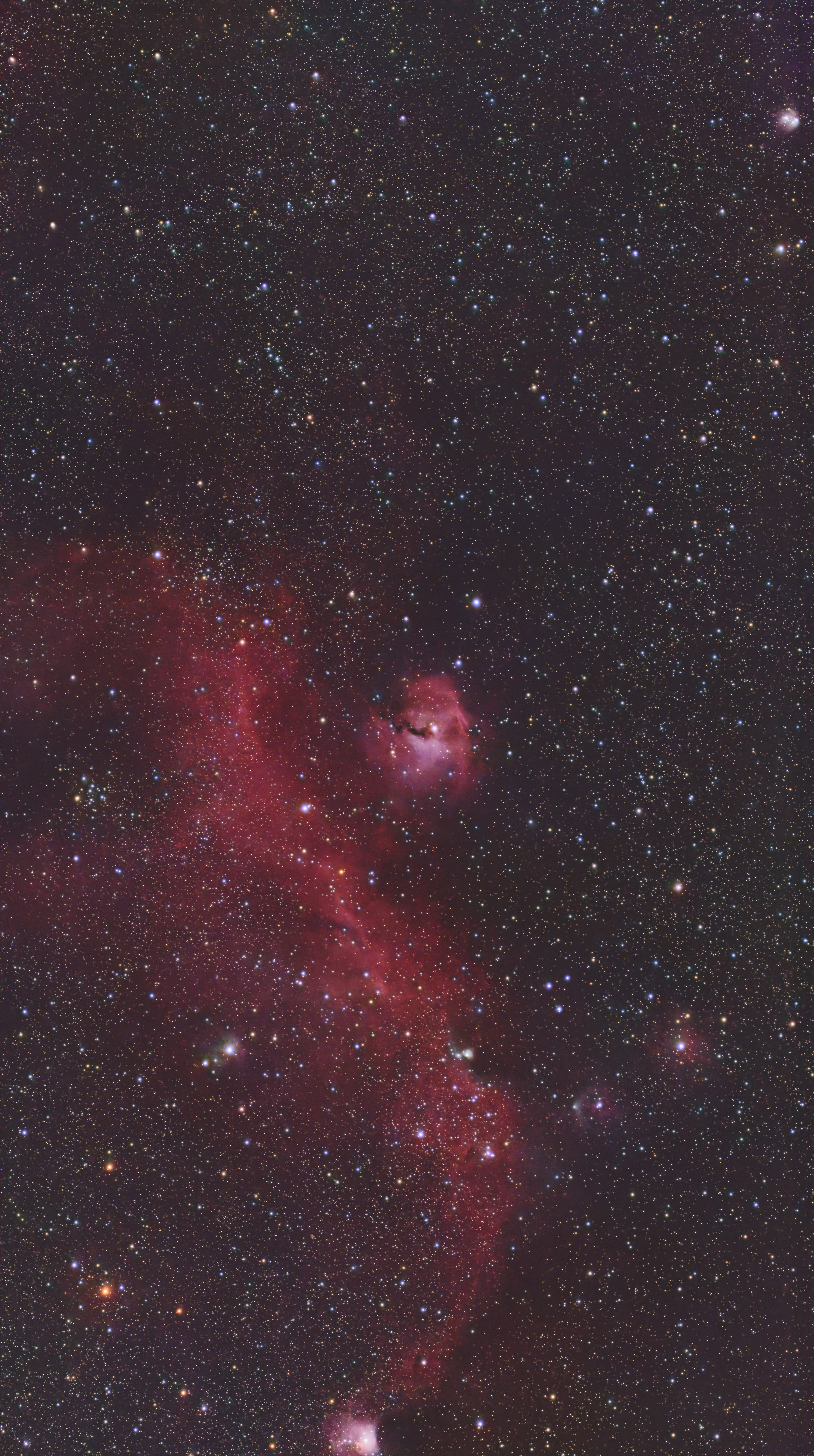
The Seagull Nebula is a large emission nebula complex straddling the border of Monoceros and Canis Major, roughly 3,650 light-years away and spanning about 100 light-years, or some 3 degrees on the sky (about seven times the apparent width of the full Moon).
- Details
- Hits: 228

NGC 2264 is a combined designation covering the Christmas Tree Cluster, a young open star cluster in Monoceros, and the adjoining Cone Nebula, a dark, pillar-like dust column at its southern tip.
- Details
- Hits: 177
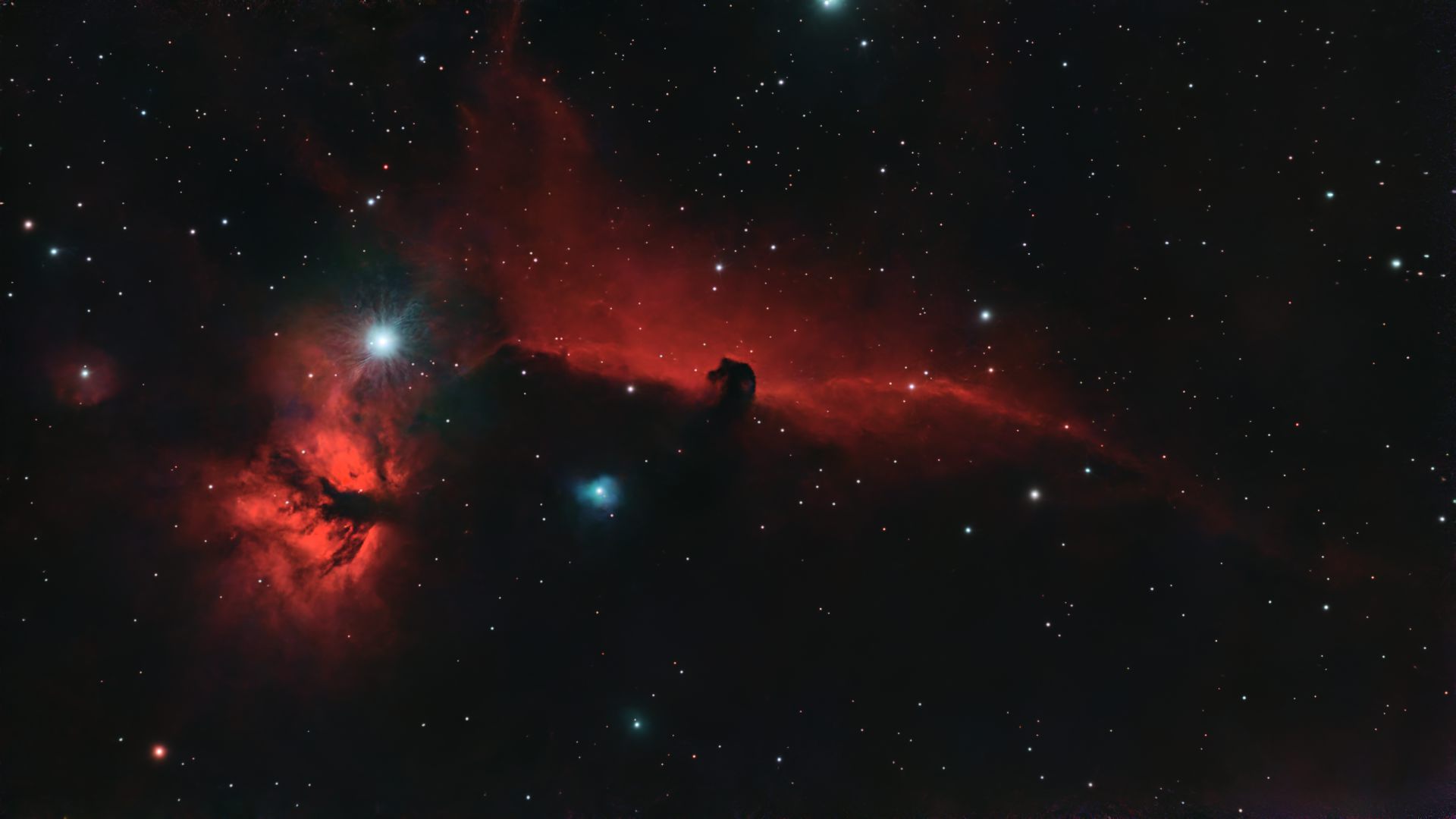
Click on the image to view it at full resolution, then click again for actual size.
- Details
- Hits: 556
Click on the image to view it at full resolution, then click again for actual size.
- Details
- Hits: 693
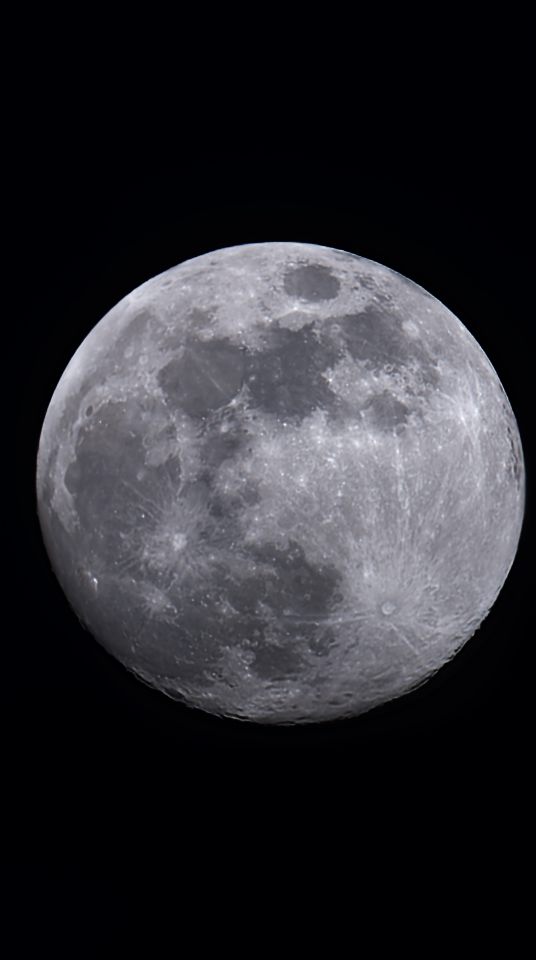
S30 Image Note: click on the image to view it at the full resolution of the uploaded image, then click again for actual size.
- Details
- Hits: 619
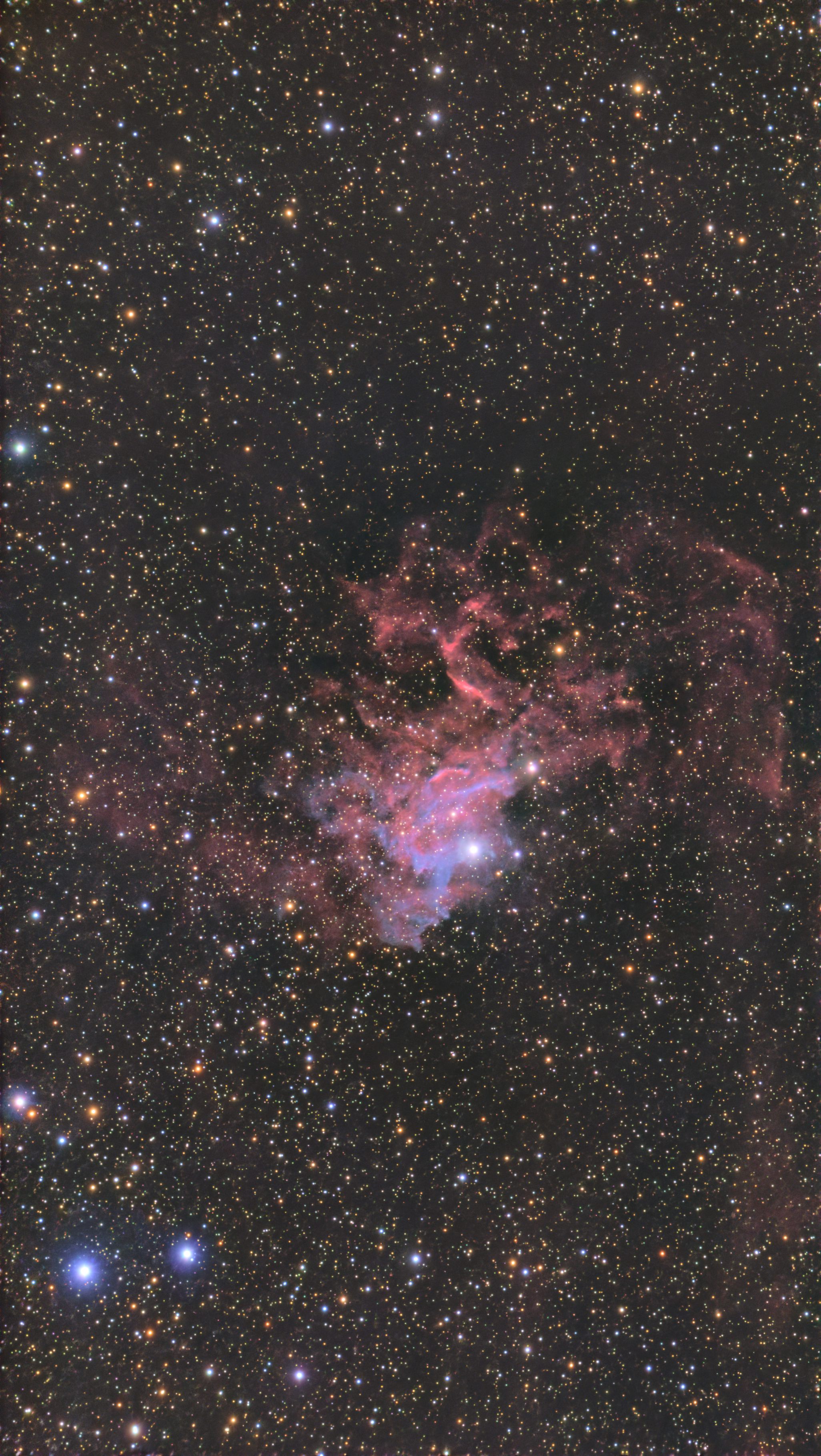
IC 405, the Flaming Star Nebula, is a mixed emission and reflection nebula in the constellation Auriga, surrounding the bright, irregular variable star AE Aurigae.
- Details
- Hits: 228
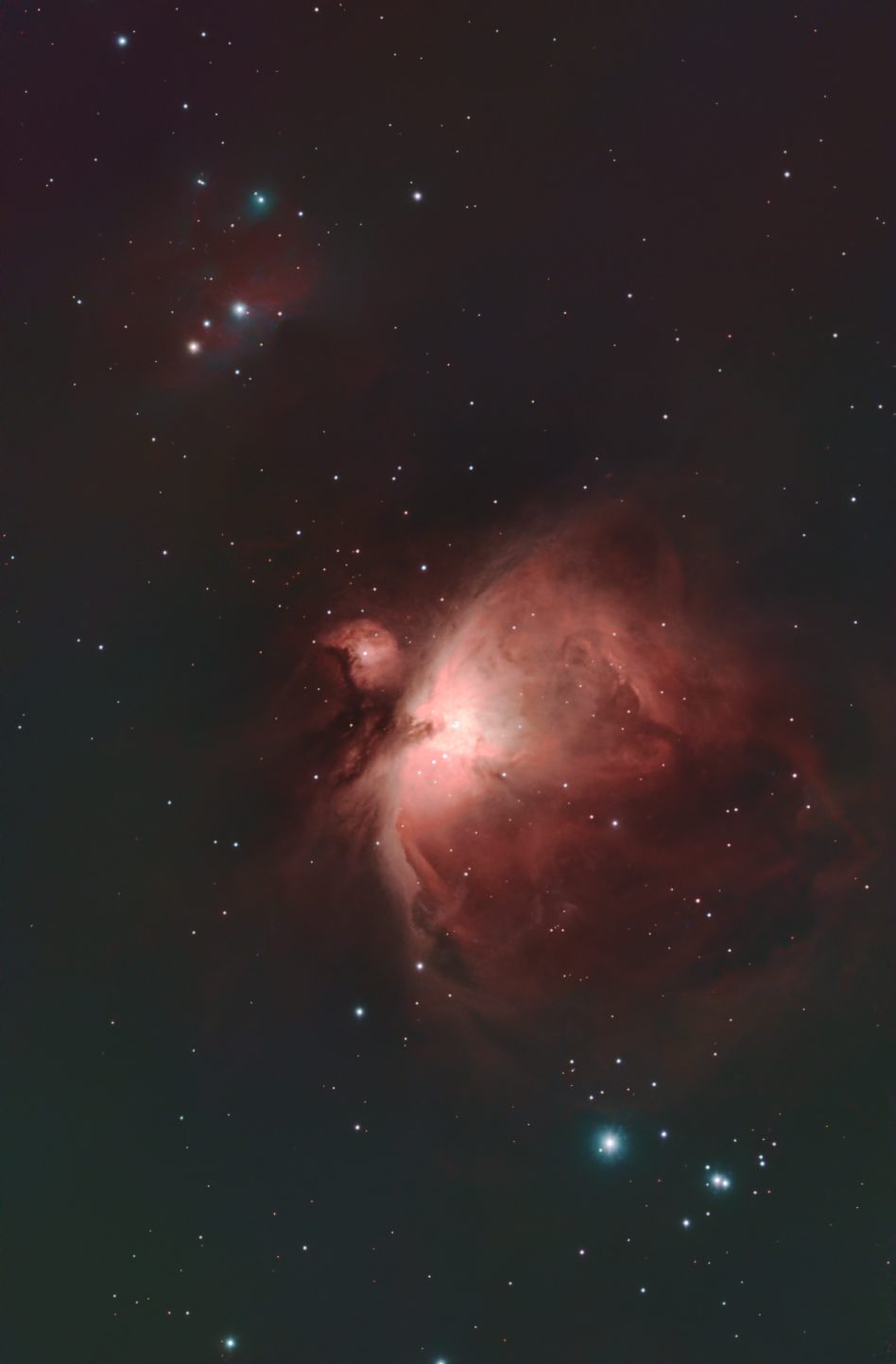
The Orion Nebula (M42, NGC 1976) is a diffuse emission nebula in the constellation Orion and the closest large region of massive star formation to Earth, at a distance of roughly 1,300-1,350 light-years.
- Details
- Hits: 223
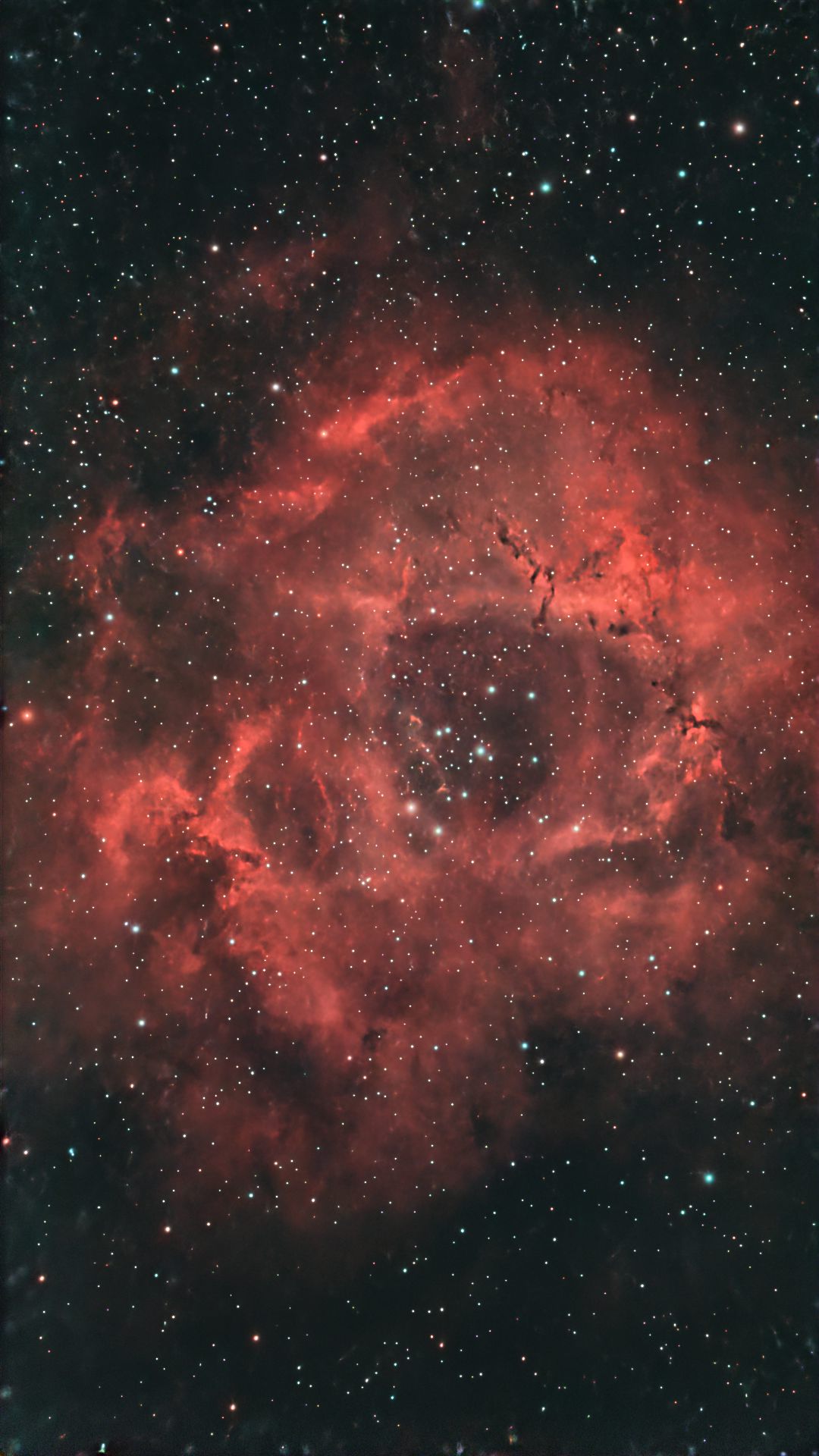
NGC 2244 is an open star cluster embedded within the Rosette Nebula, a large HII region in the constellation Monoceros located about 5,200 light-years away.
- Details
- Hits: 511
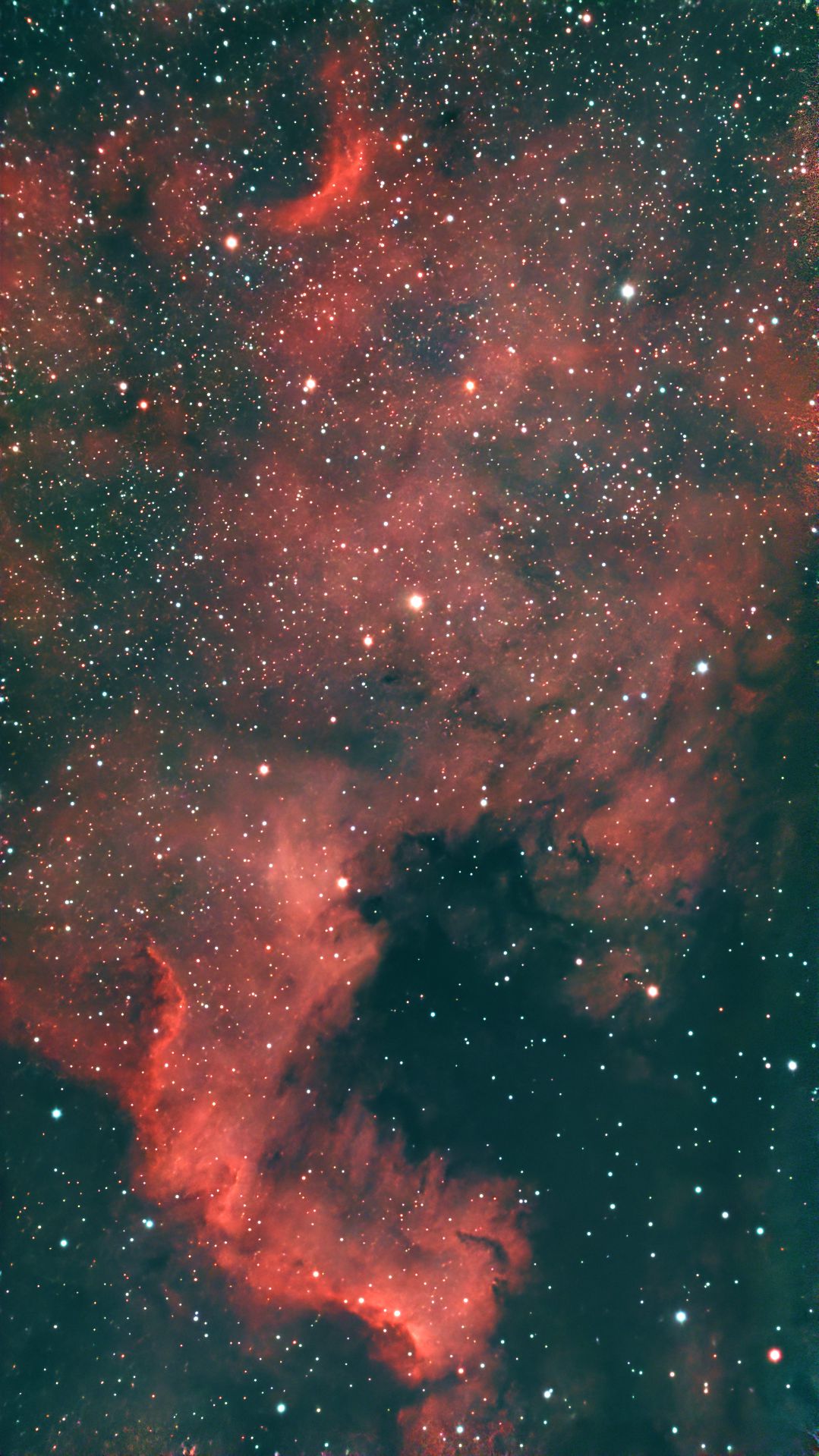
Click on the image to view it at full resolution, then click again for actual size.
- Details
- Hits: 637

The Horsehead Nebula (Barnard 33) is a dark nebula silhouetted against the glowing red emission nebula IC 434 in the constellation Orion, just south of Alnitak (Zeta Orionis), the easternmost star in Orion's Belt.
- Details
- Hits: 527
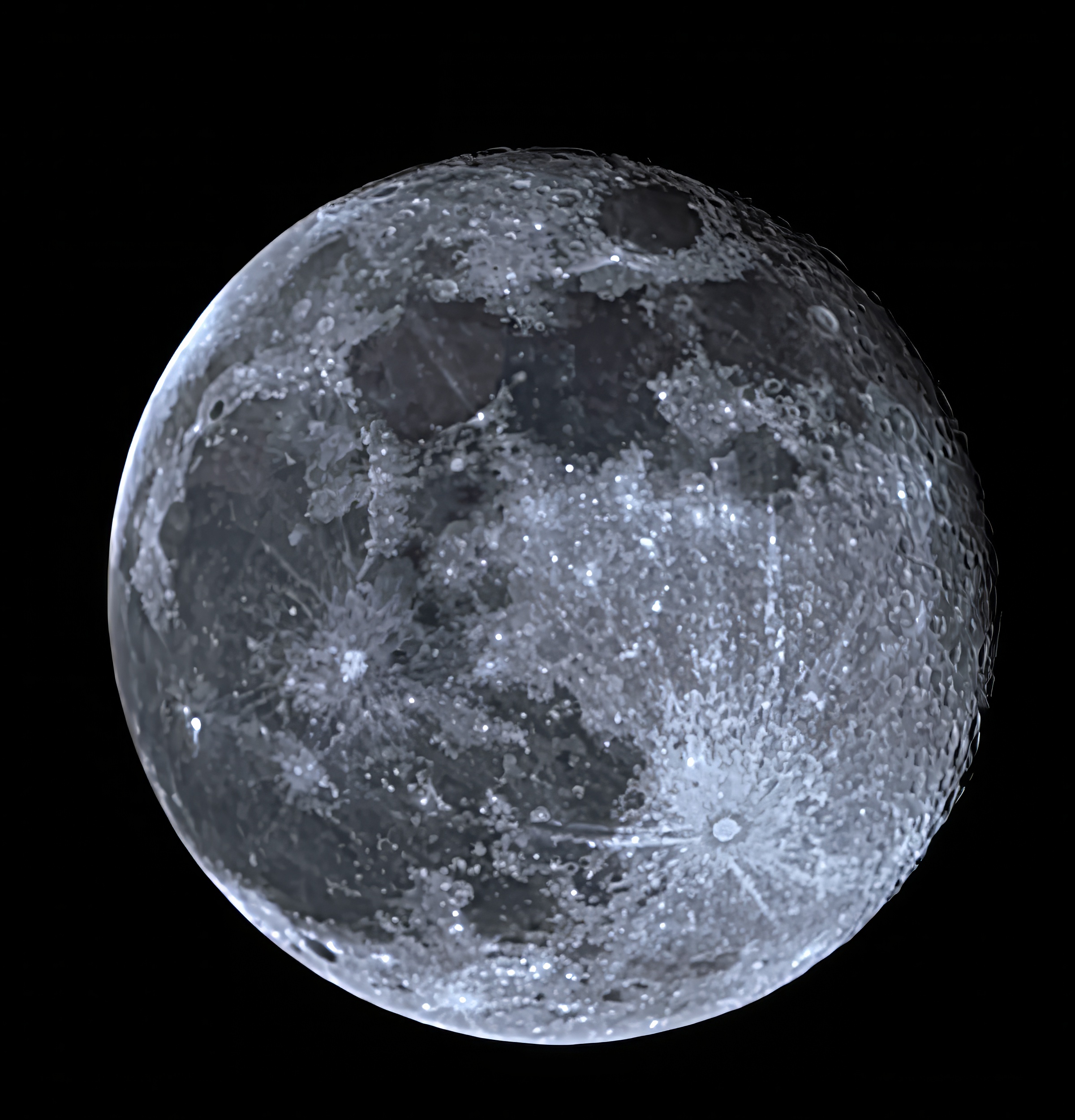
S30 Image Note: click on the image to view it at the full resolution of the uploaded image, then click again for actual size.
- Details
- Hits: 561
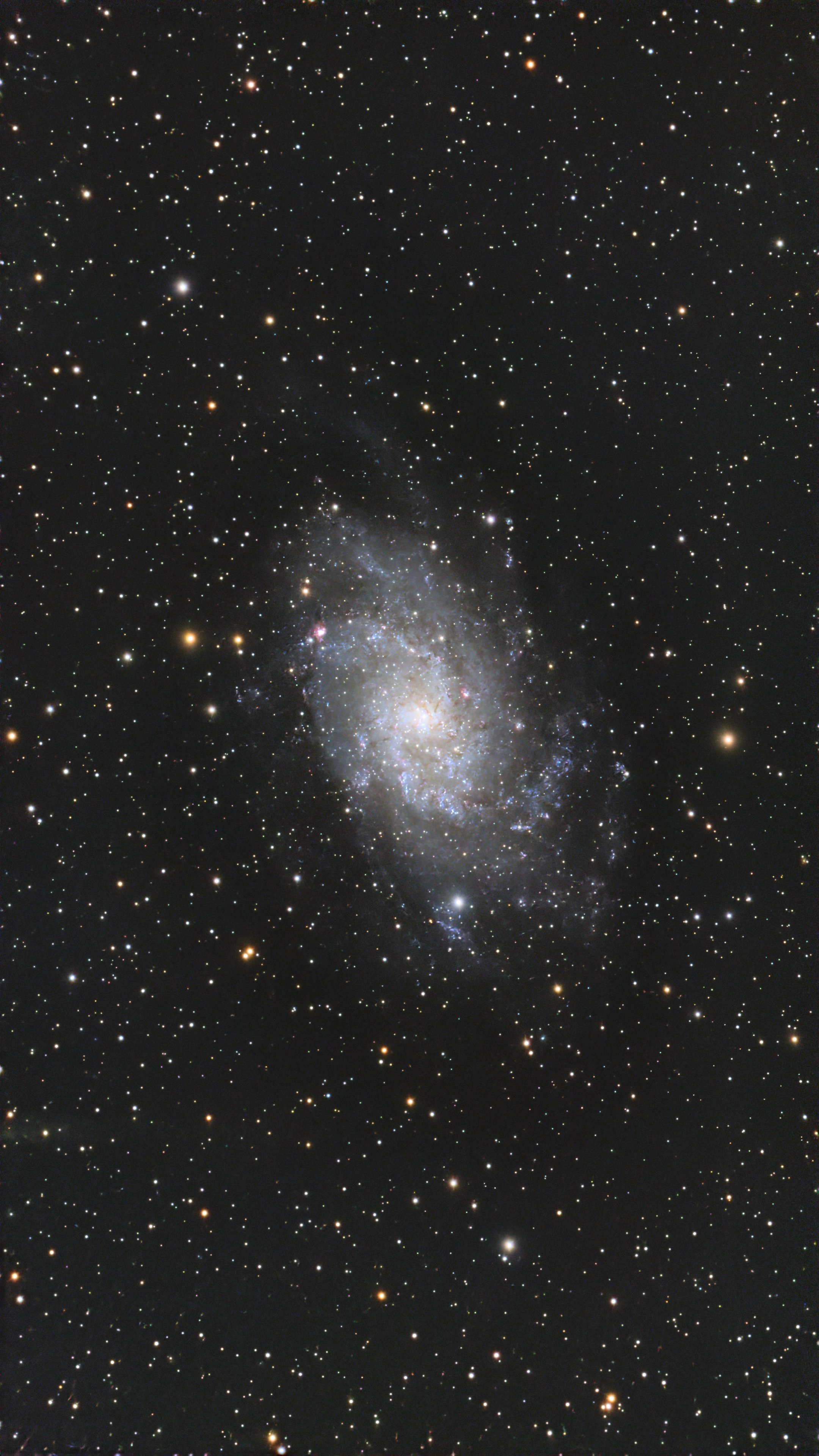
Messier 33, the Triangulum Galaxy, is a face-on spiral galaxy in the constellation Triangulum and the third-largest member of the Local Group after the Milky Way and Andromeda.
- Details
- Hits: 234
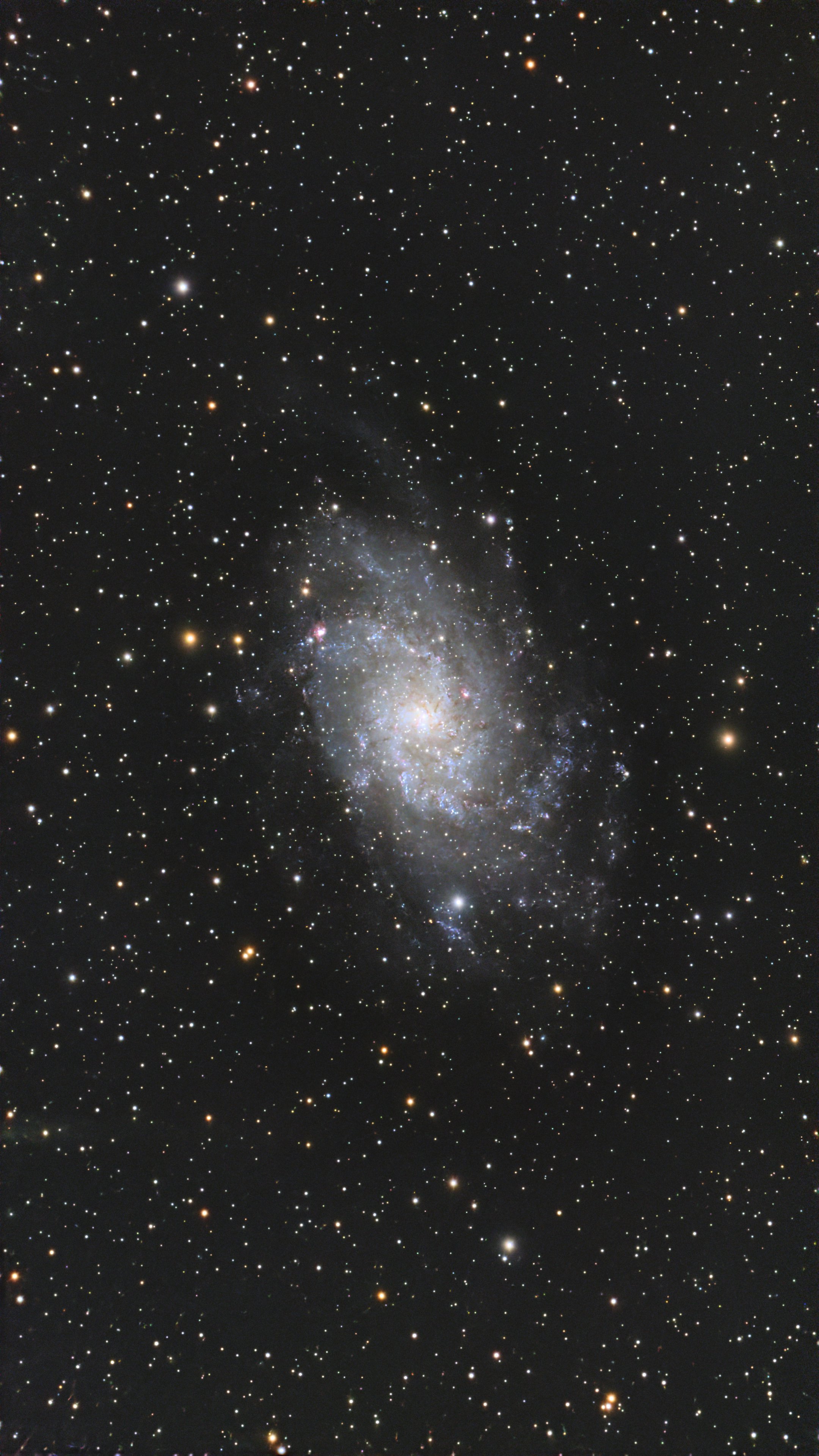
Click on the image to view it at full resolution, then click again for actual size.
- Details
- Hits: 573
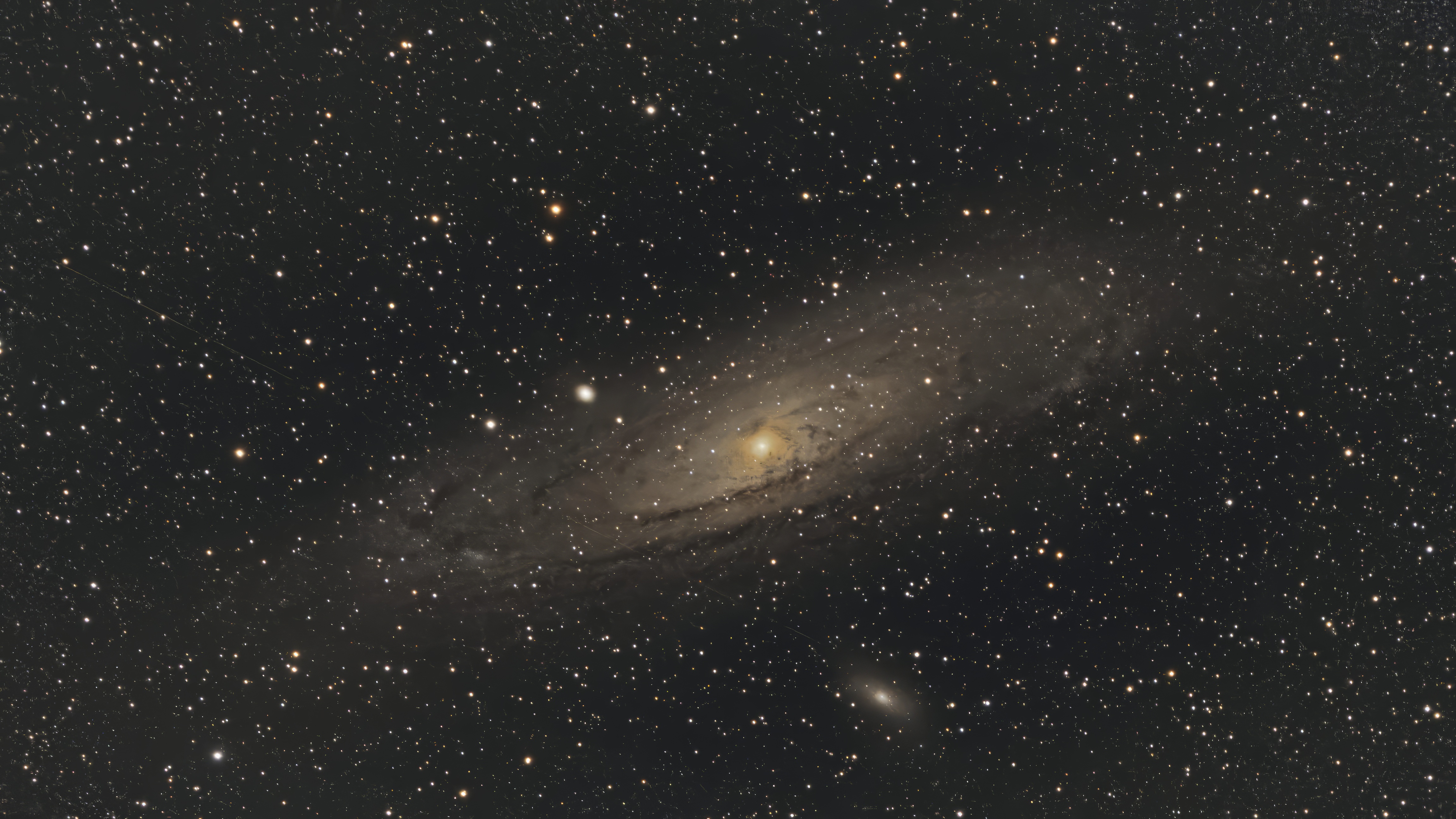
The Andromeda Galaxy (M31, NGC 224) is the nearest large galaxy to the Milky Way, located about 2.5 million light-years away in the constellation Andromeda.
- Details
- Hits: 185
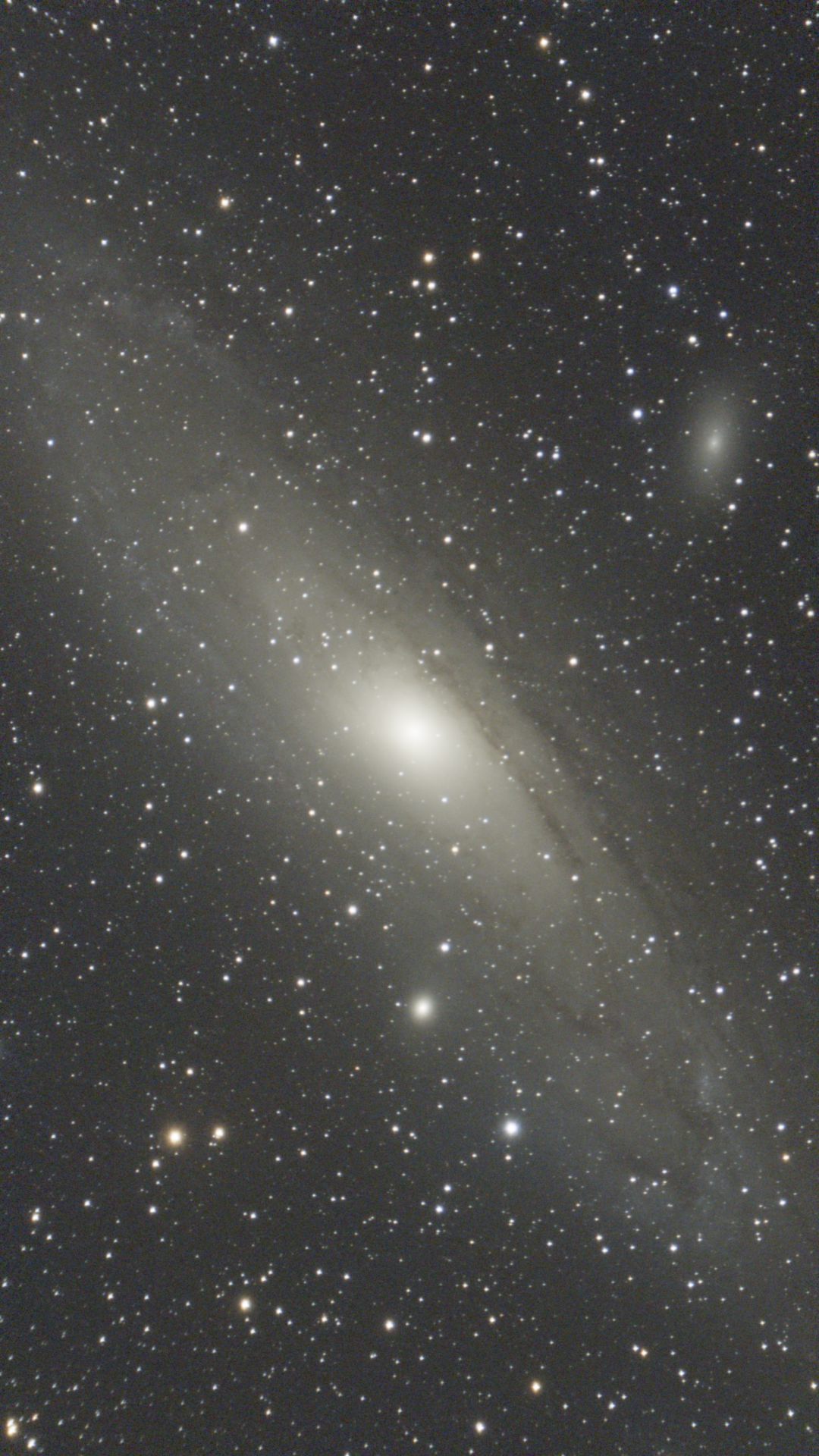
The Andromeda Galaxy (M31, NGC 224) is the nearest large galaxy to the Milky Way, located about 2.5 million light-years away in the constellation Andromeda.
- Details
- Hits: 108
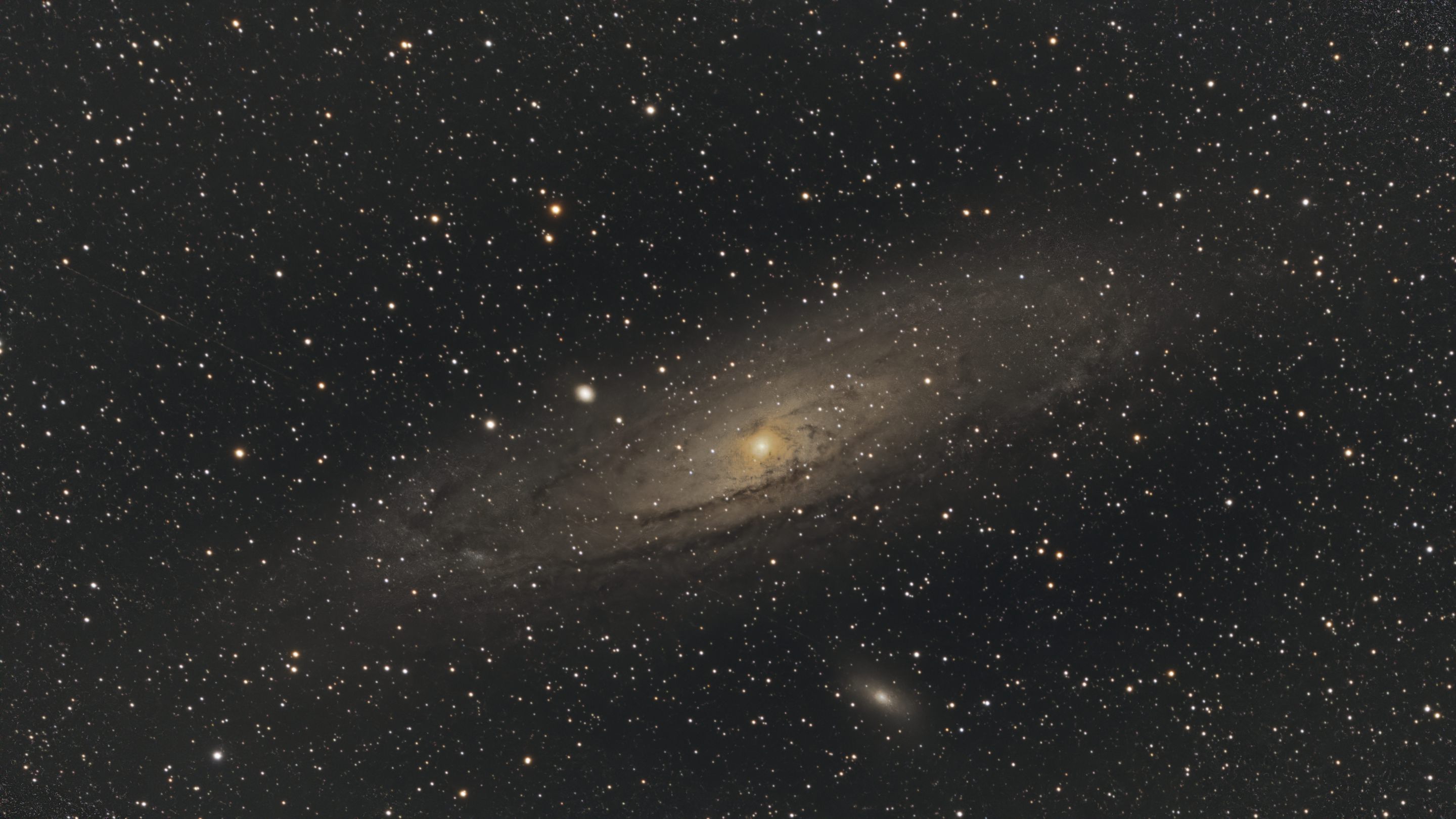
Click on the image to view it at full resolution, then click again for actual size.
- Details
- Hits: 766
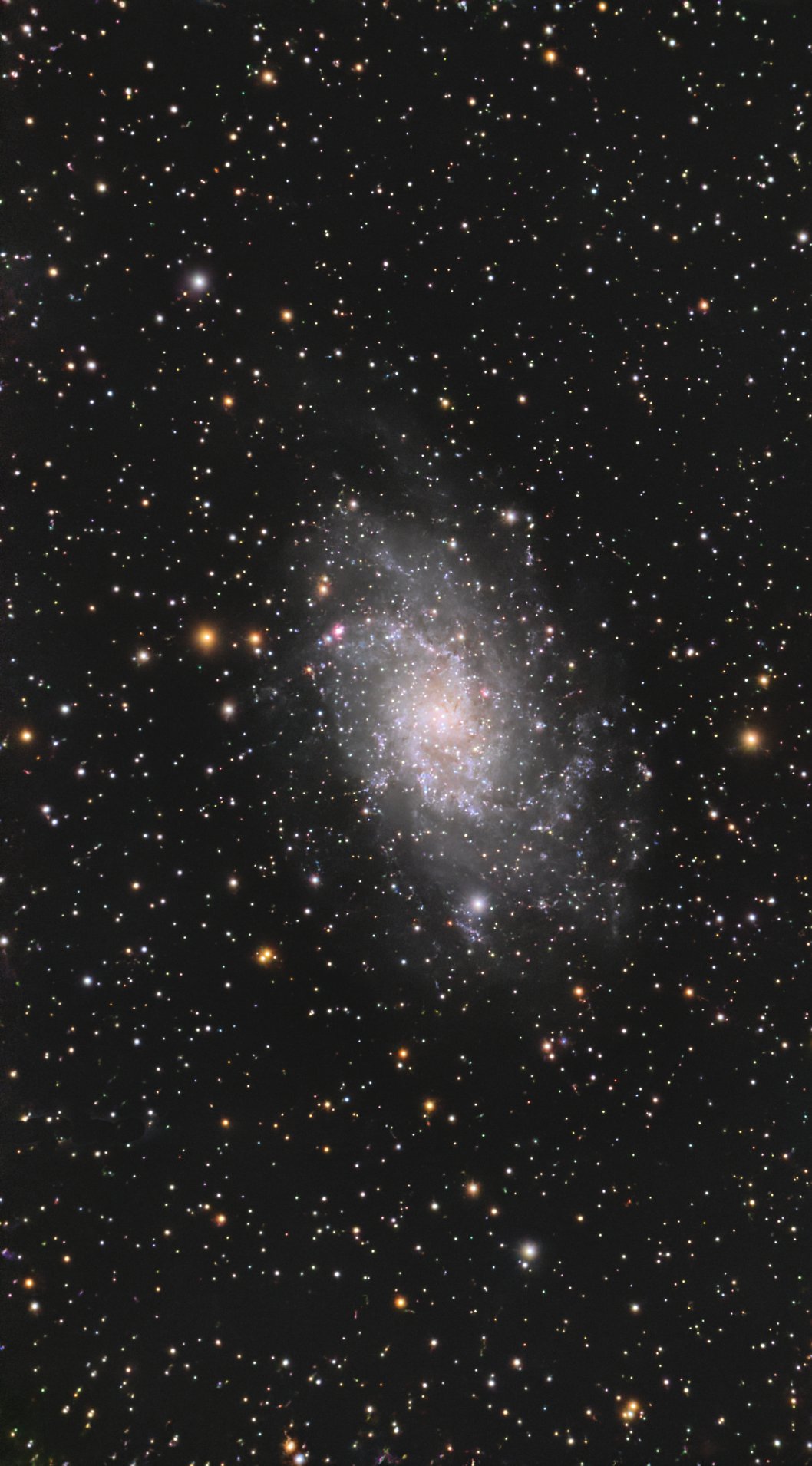
Click on the image to view it at full resolution, then click again for actual size.
- Details
- Hits: 540
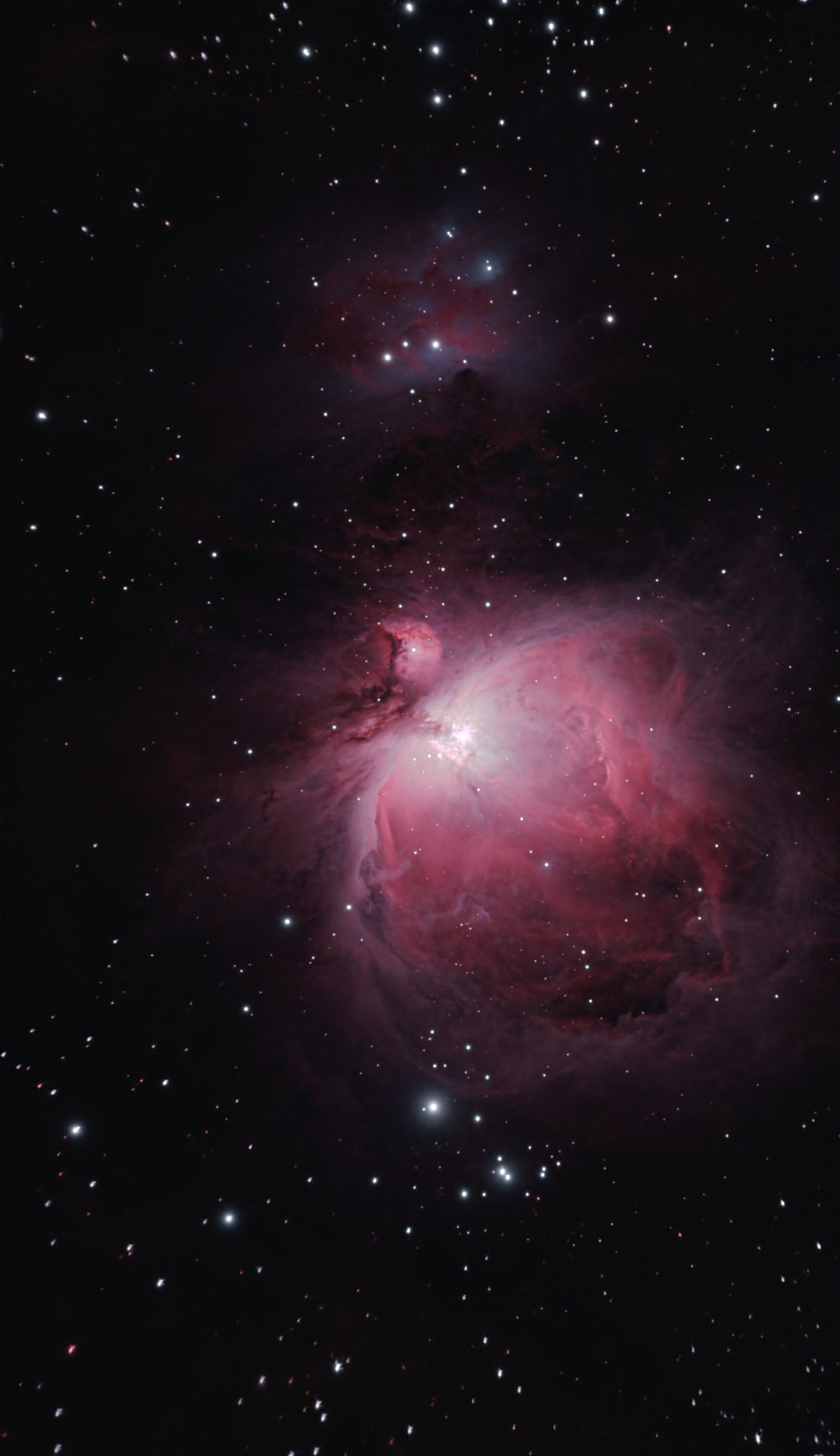
The Orion Nebula (M42, NGC 1976) is a diffuse emission nebula in the constellation Orion and the closest large region of massive star formation to Earth, at a distance of roughly 1,300-1,350 light-years.
- Details
- Hits: 83
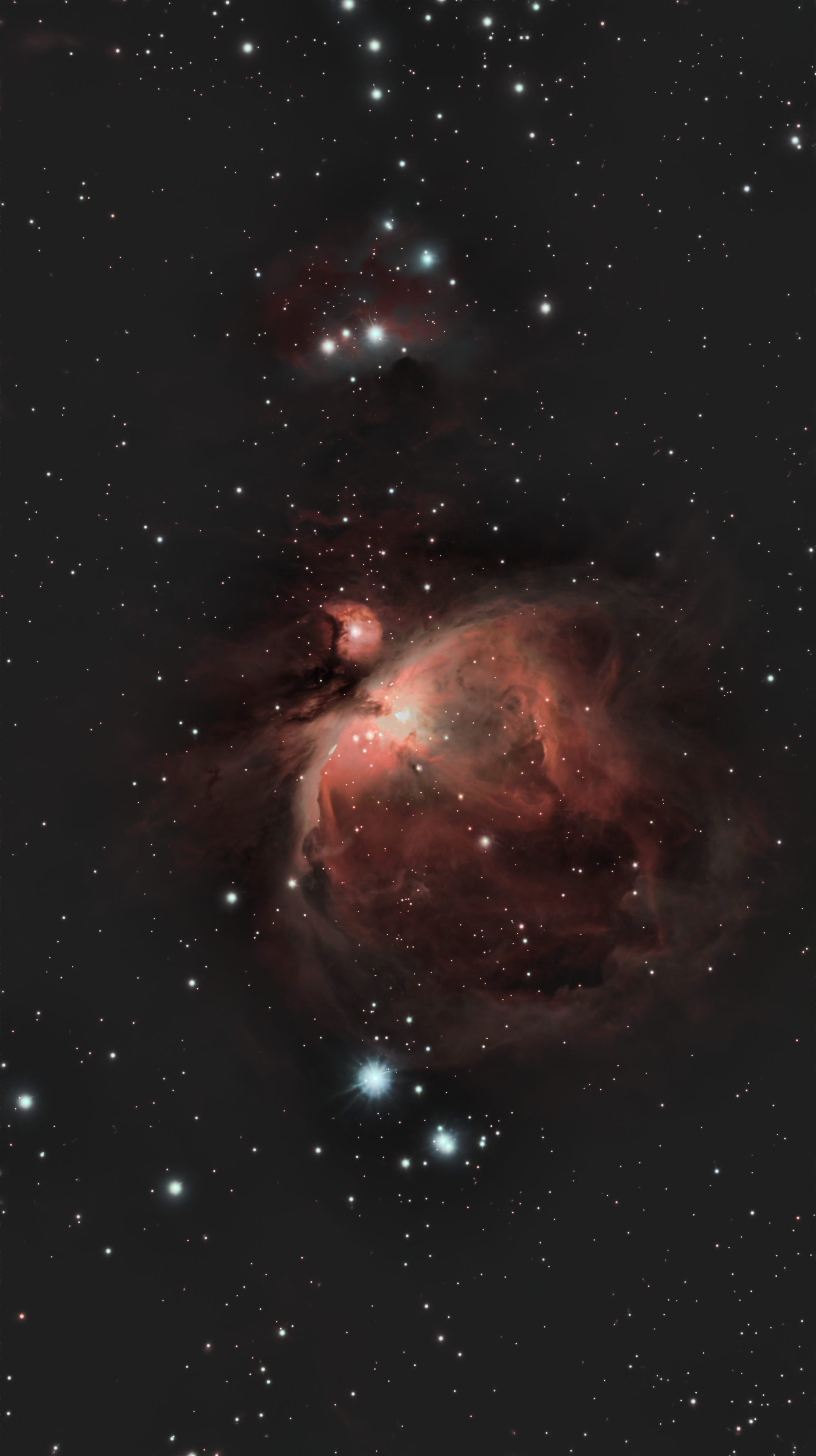
Click on the image to view it at full resolution, then click again for actual size.
- Details
- Hits: 780
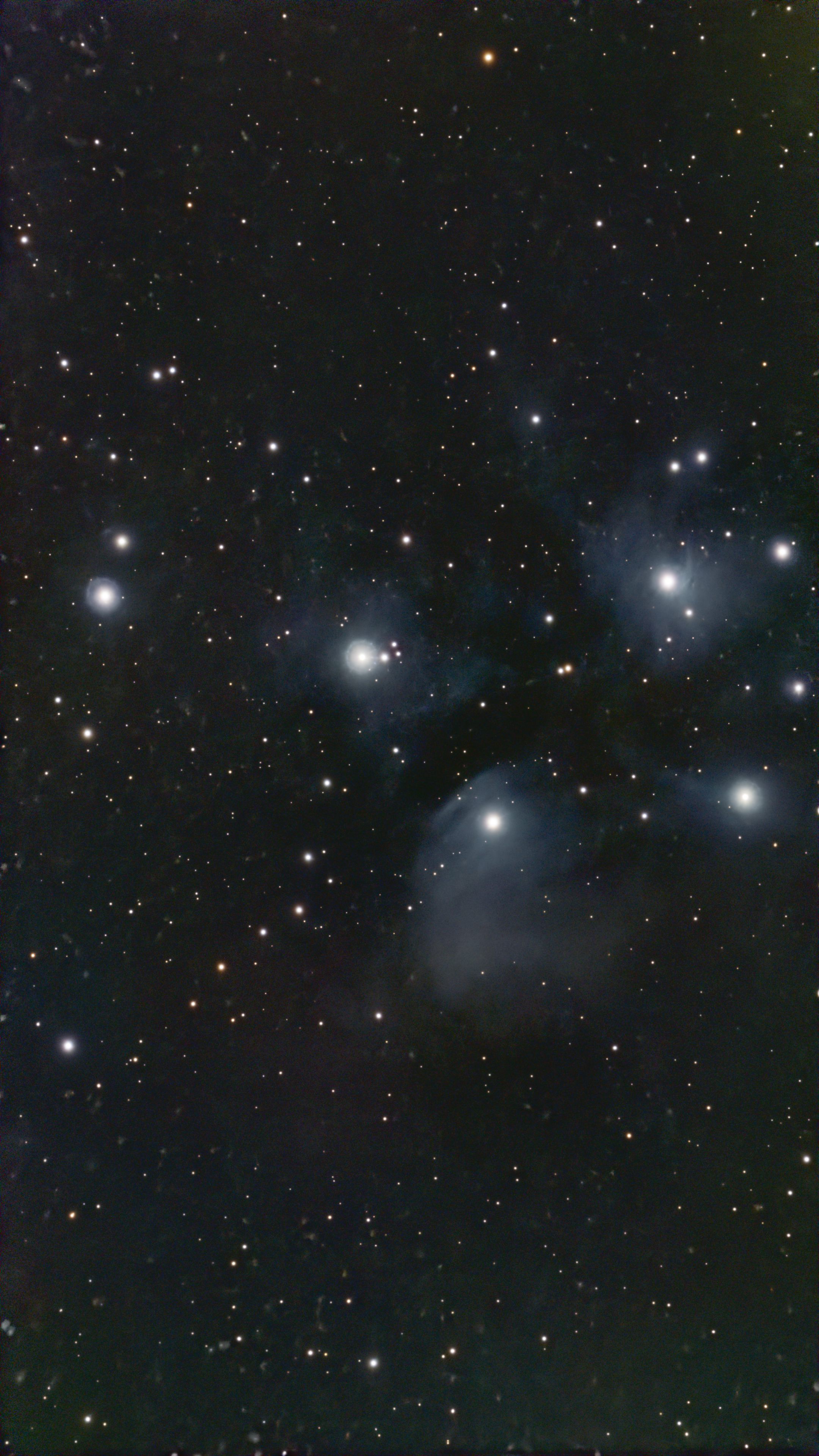
The Pleiades (M45), also called the Seven Sisters, is a bright open star cluster in the constellation Taurus, easily visible to the naked eye and known since antiquity.
- Details
- Hits: 401
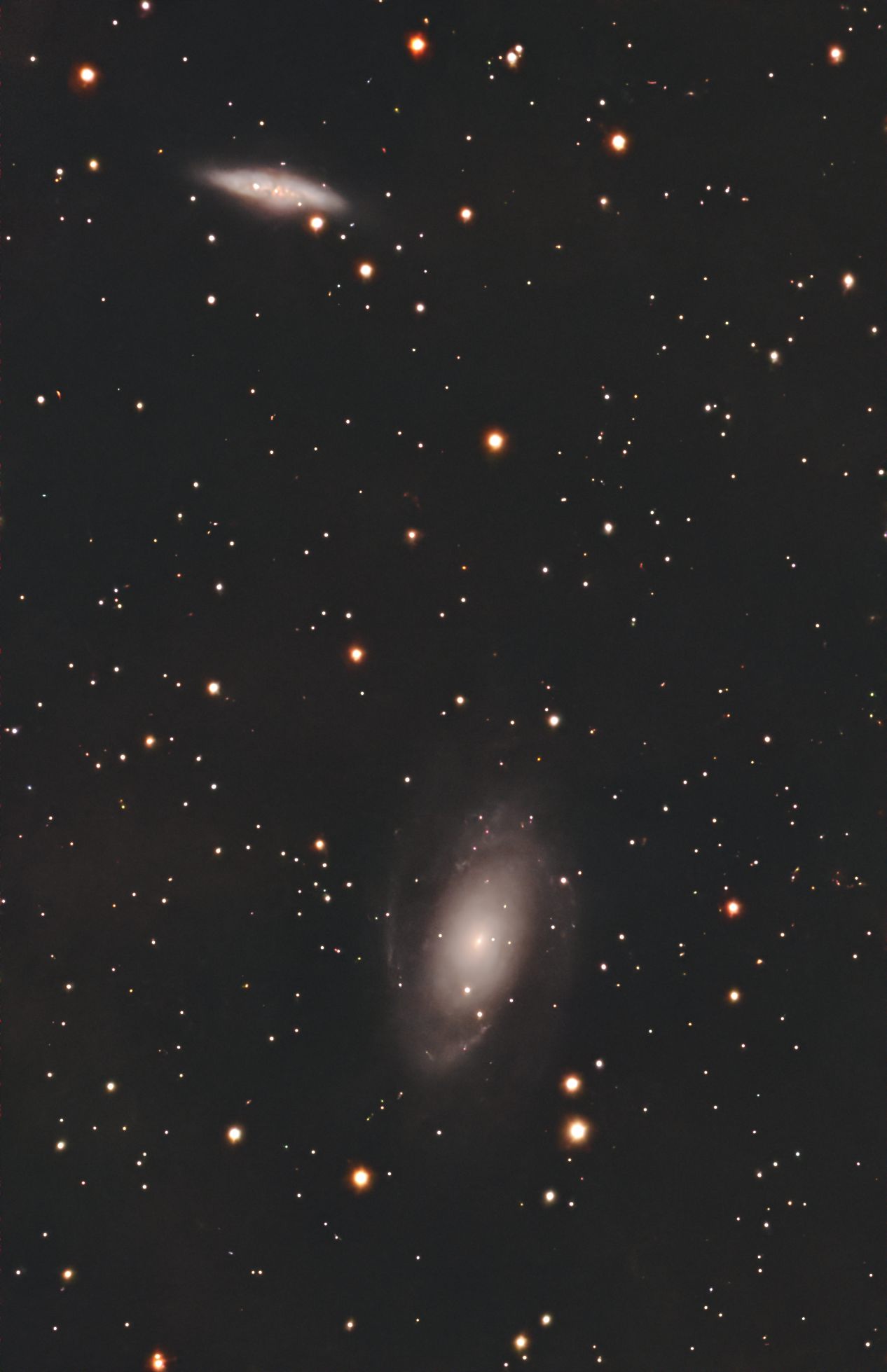
Messier 81, also known as Bode's Galaxy, is a classic grand-design spiral galaxy in Ursa Major lying about 12 million light-years away, with a disk spanning roughly 90,000 light-years.
- Details
- Hits: 180
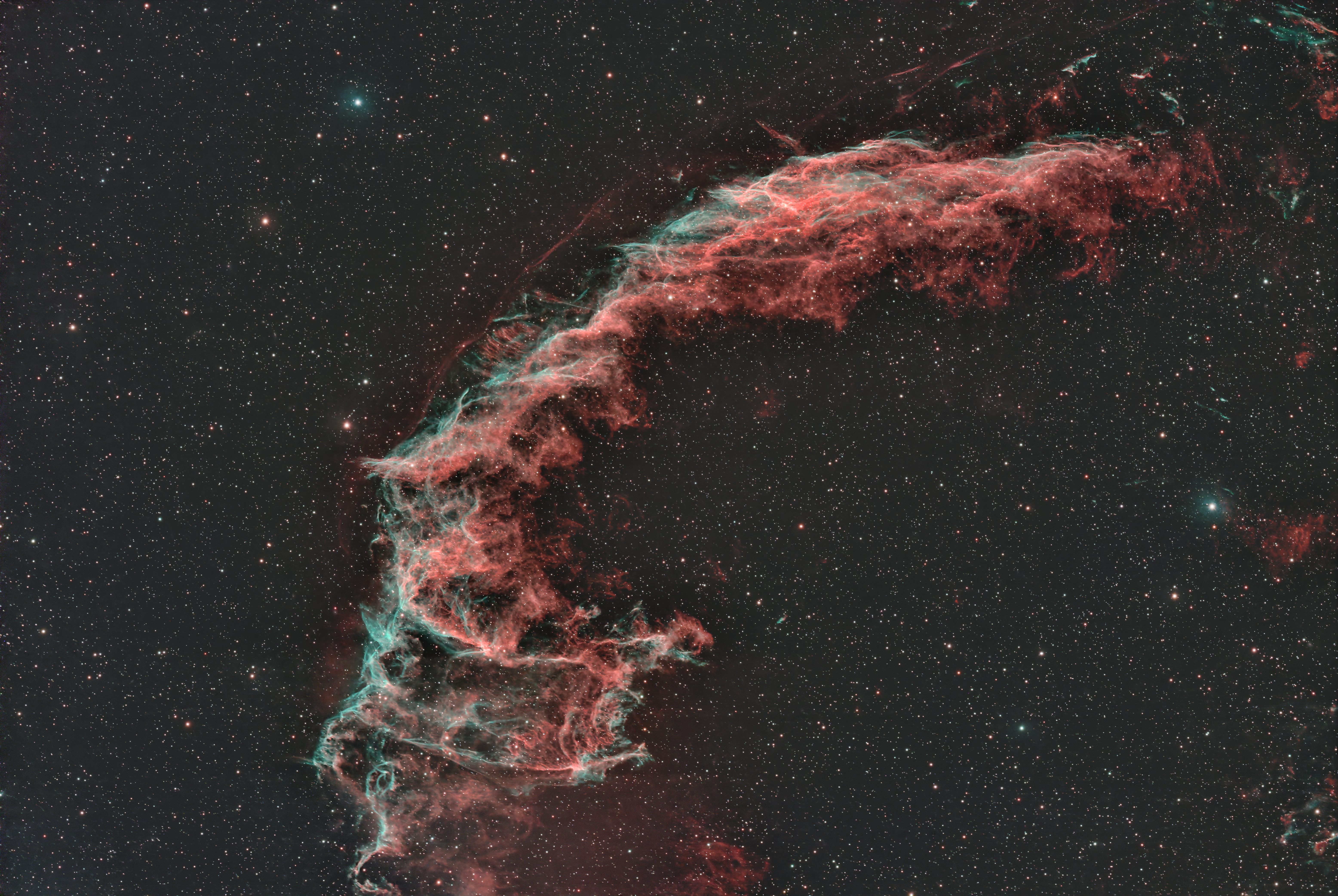
Click on the image to view it at full resolution, then click again for actual size.
- Details
- Hits: 437
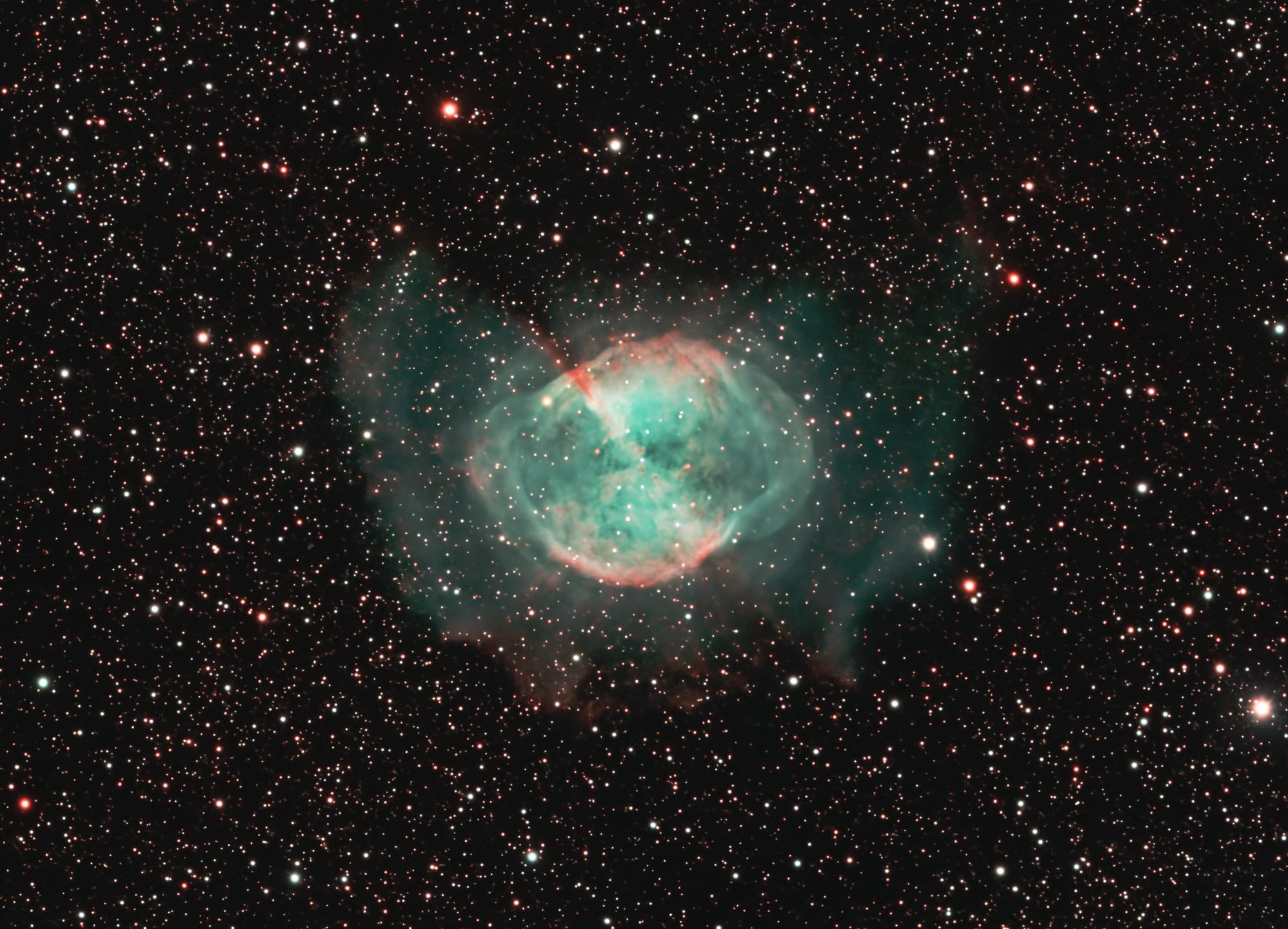
Click on the image to view it at full resolution,then click again for actual size.
- Details
- Hits: 620
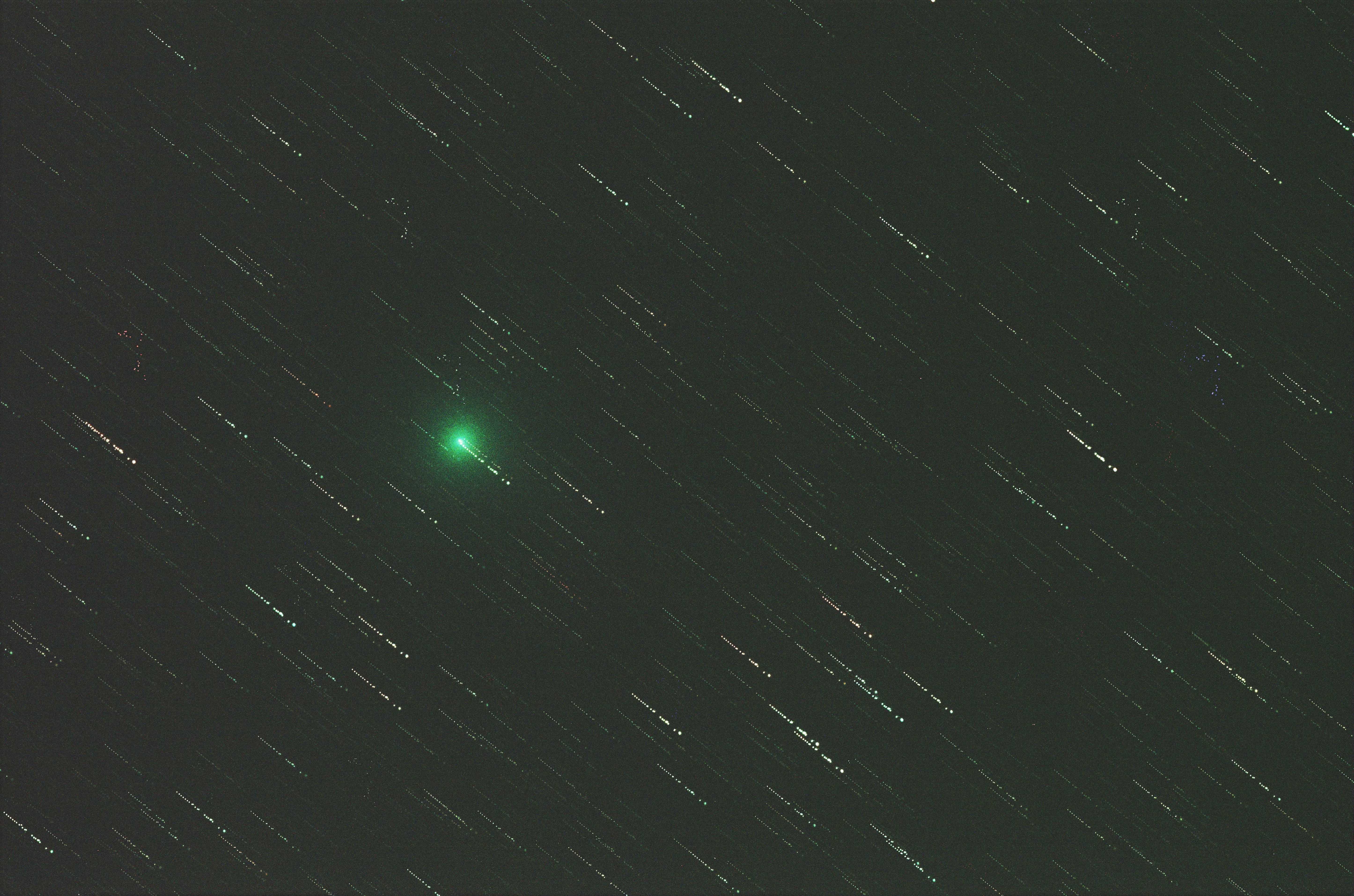
Comet C/2025 R2 (SWAN) is a long-period comet first spotted on September 11, 2025 by amateur astronomer Vladimir Bezugly in publicly available images from the SWAN (Solar Wind Anisotropies) instrument aboard the SOHO spacecraft, before receiving an official designation from the IAU.
- Details
- Hits: 150
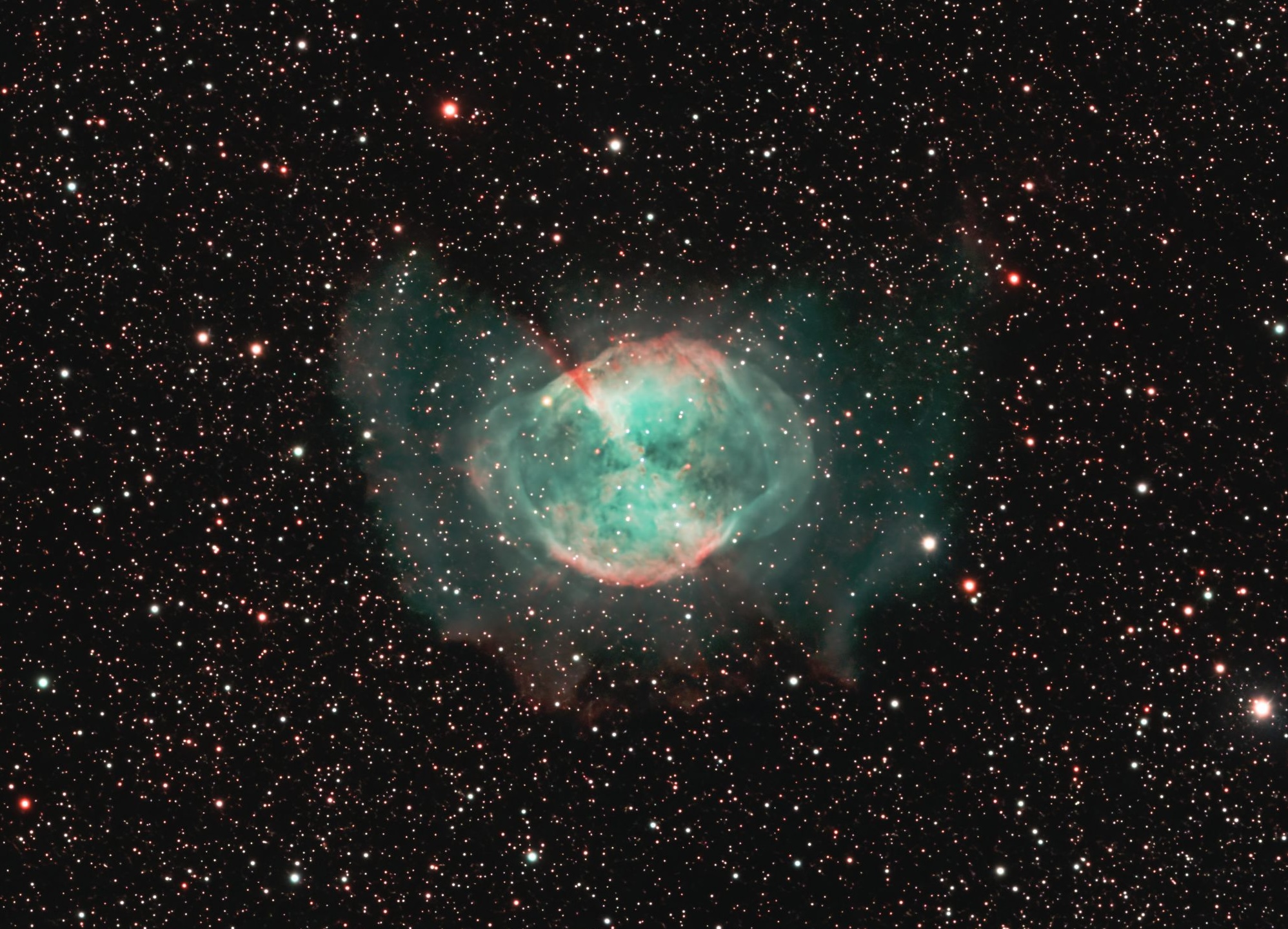
Messier 27, the Dumbbell Nebula (NGC 6853), is a planetary nebula in the constellation Vulpecula, and holds the distinction of being the first planetary nebula ever discovered, found by Charles Messier in 1764.
- Details
- Hits: 141
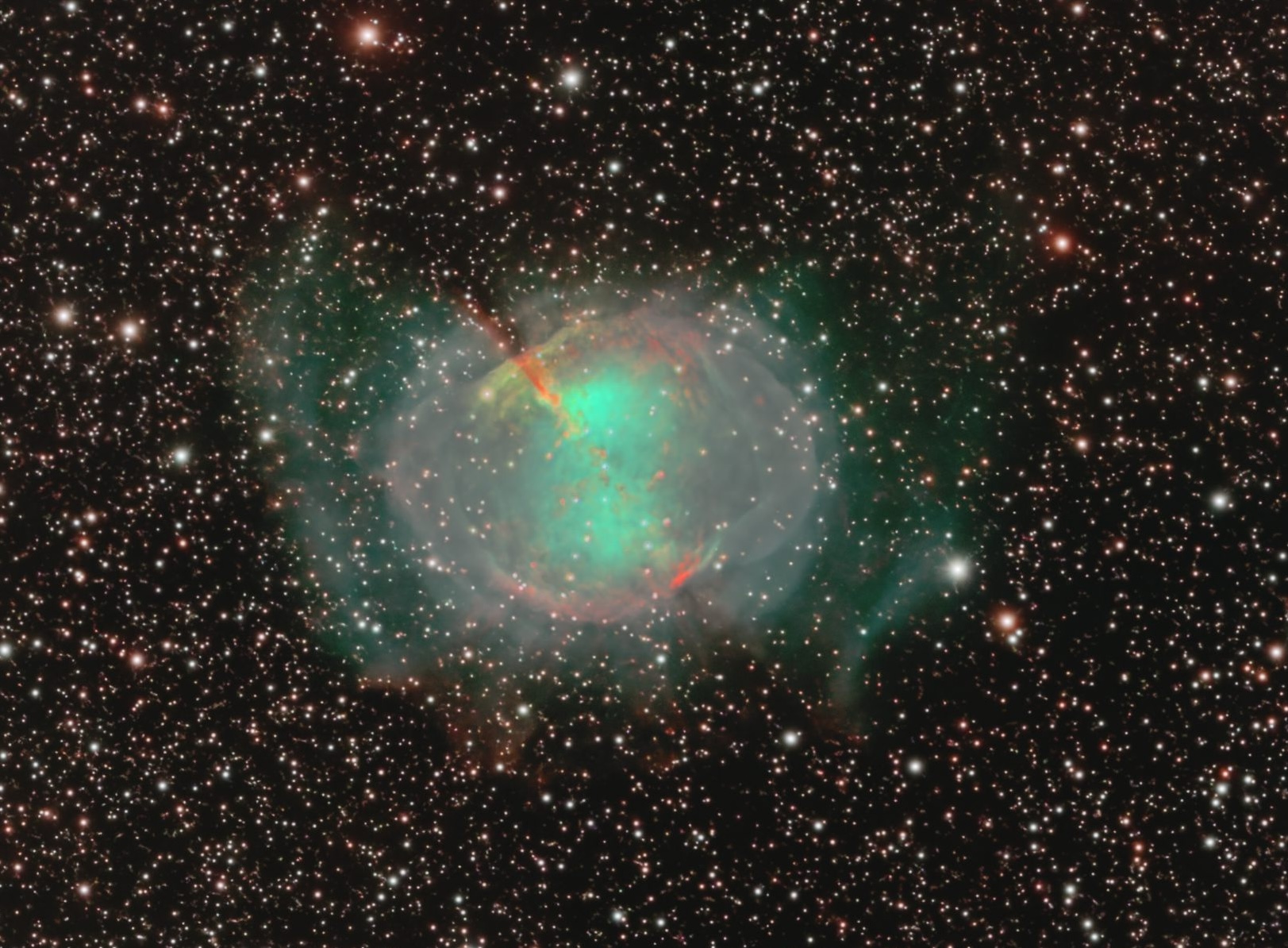
Click on the image to view it at full resolution,then click again for actual size.
- Details
- Hits: 659
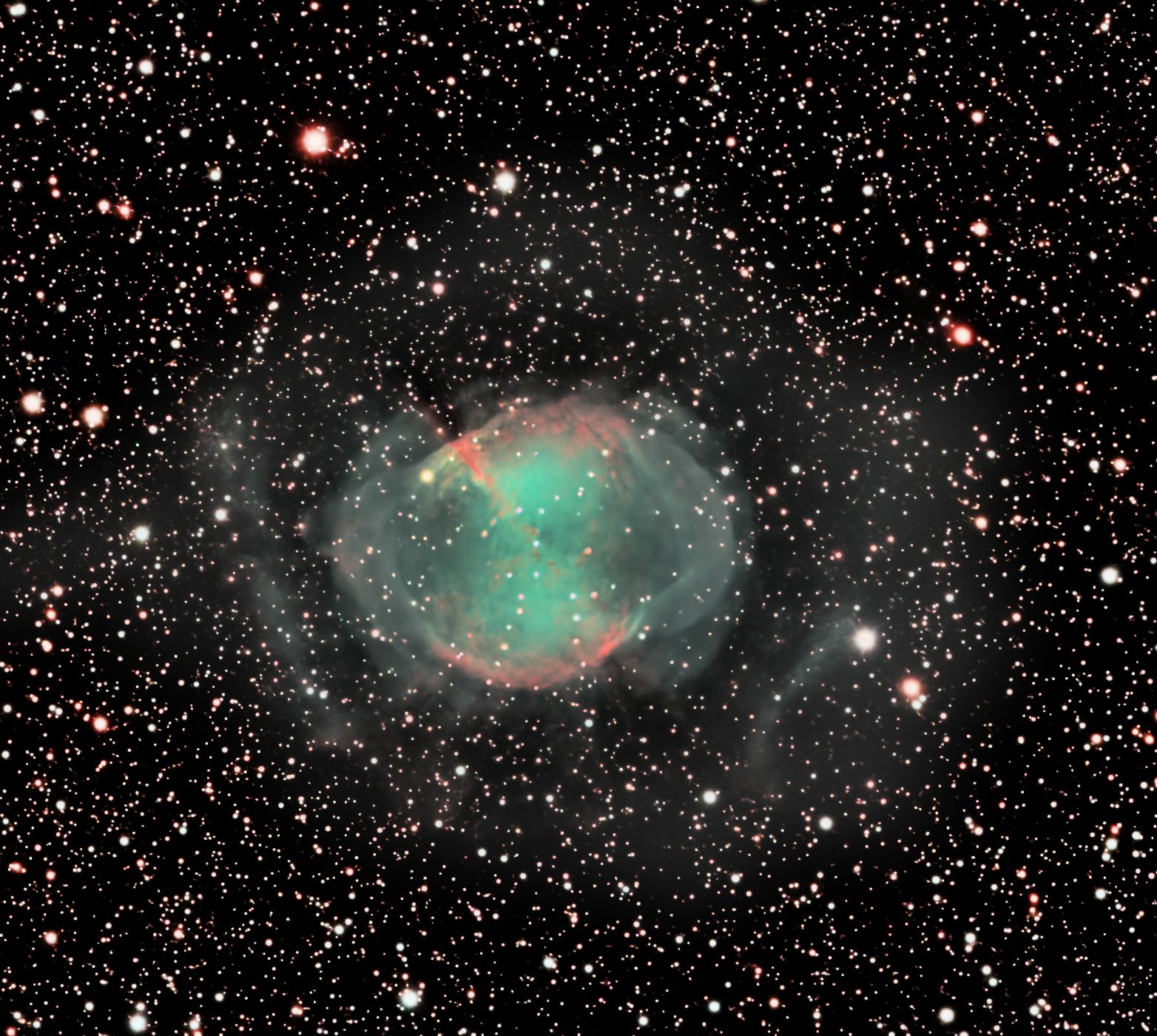
Click on the image to view it at full resolution,then click again for actual size.
- Details
- Hits: 712
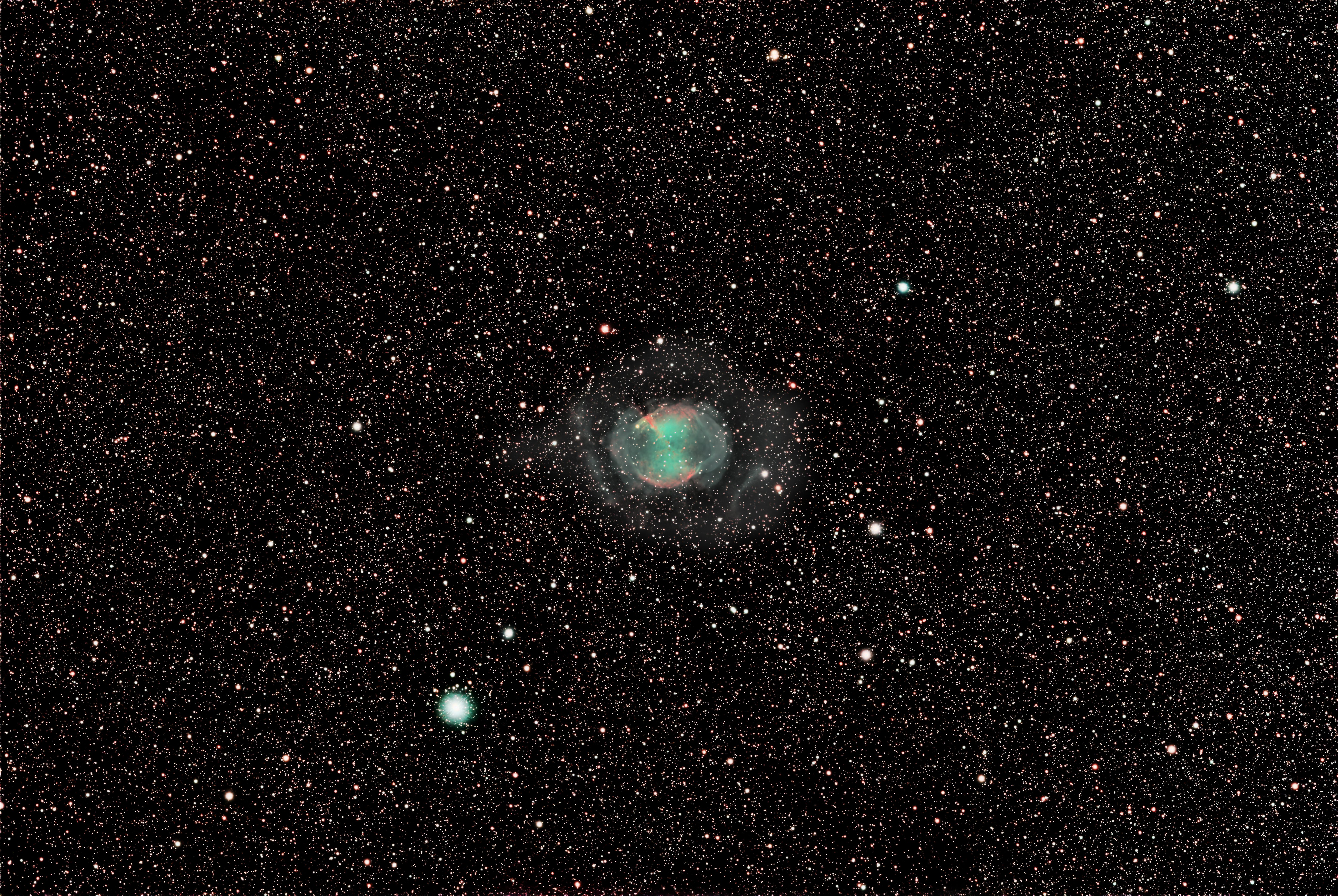
Click on the image to view it at full resolution,then click again for actual size.
- Details
- Hits: 738
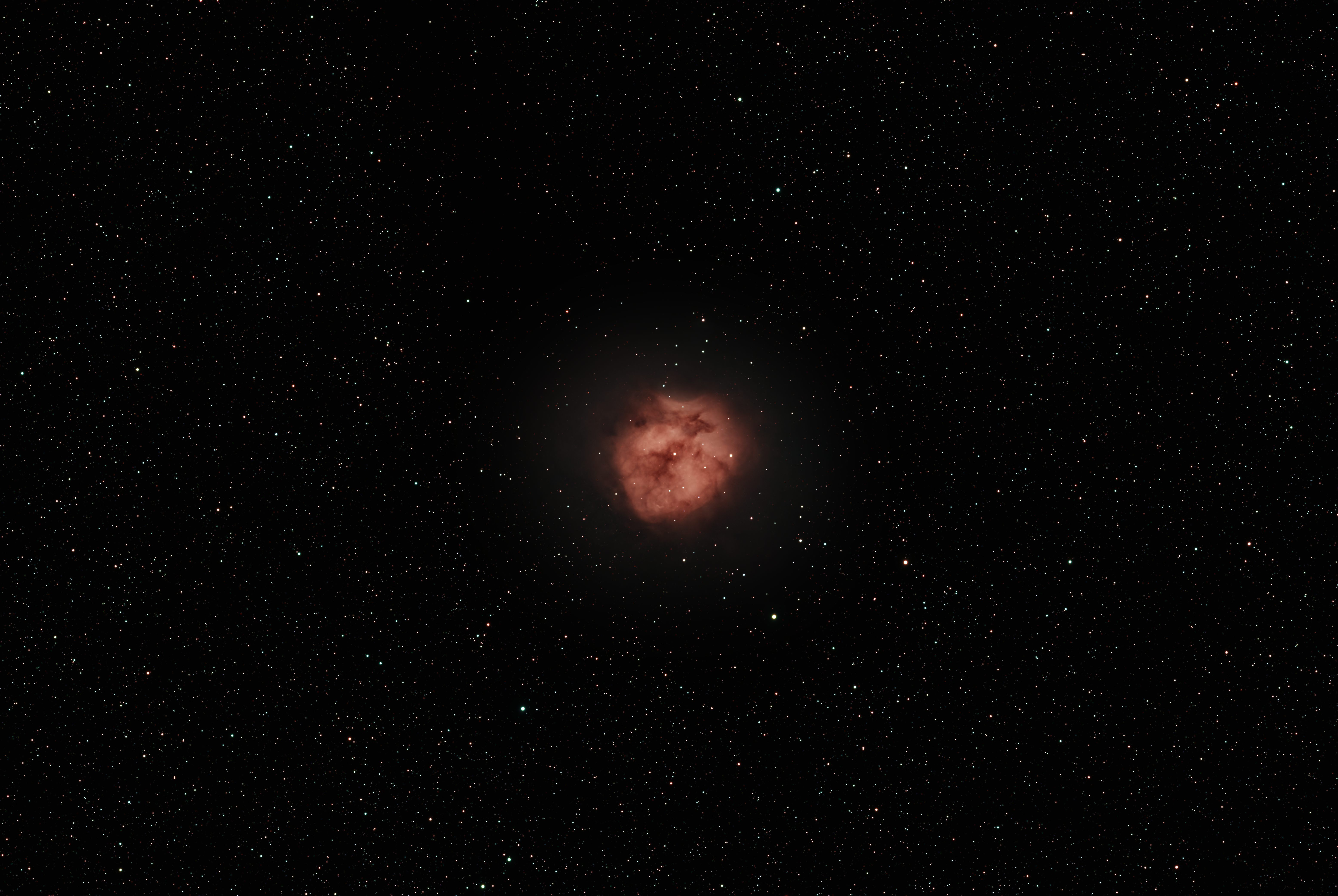
The Cocoon Nebula (IC 5146) is a striking combination of emission, reflection, and dark nebulosity in the constellation Cygnus, sitting at the tip of a long dark dust lane (Barnard 168) that trails away from it across the sky.
- Details
- Hits: 146
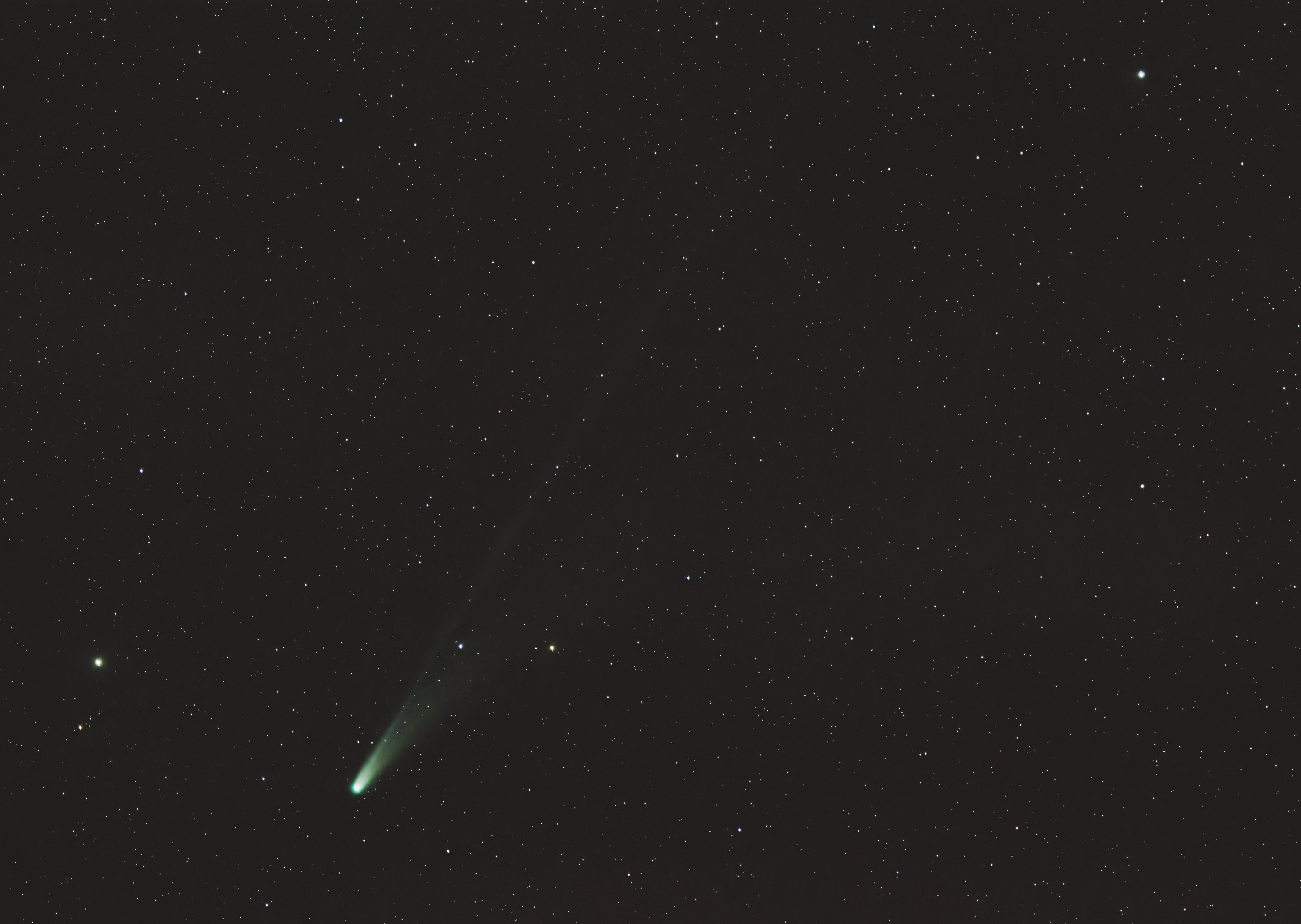
Comet C/2025 A6 (Lemmon) is a long-period comet discovered on January 3, 2025 by David C.
- Details
- Hits: 168
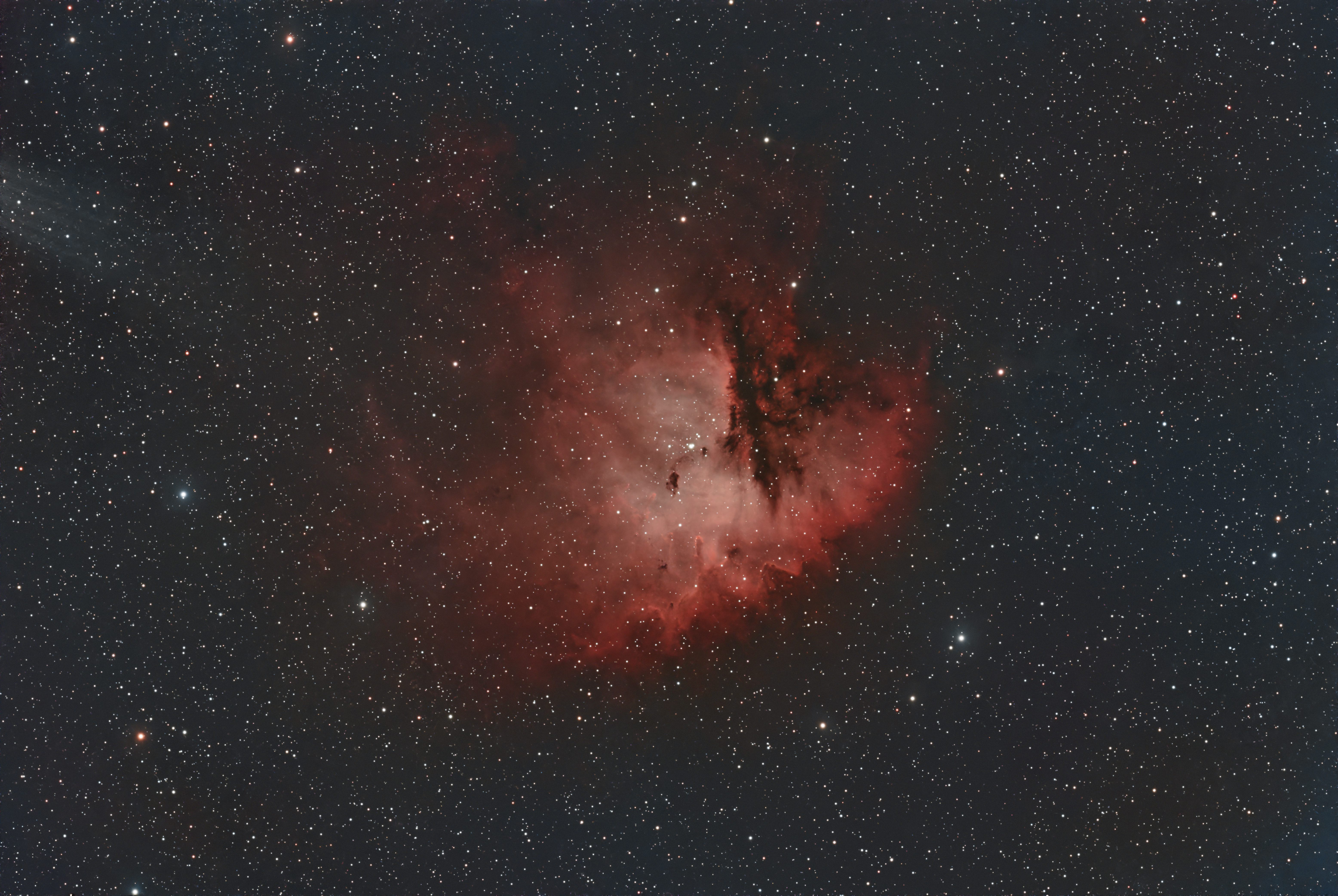
NGC 281, IC 11 or Sh2-184 is a bright emission nebula and part of an H II region in the northern constellation of Cassiopeia and is part of the Milky Way's Perseus Spiral Arm.
- Details
- Hits: 146
Click on the image to view it at full resolution,then click again for actual size.
- Details
- Hits: 500
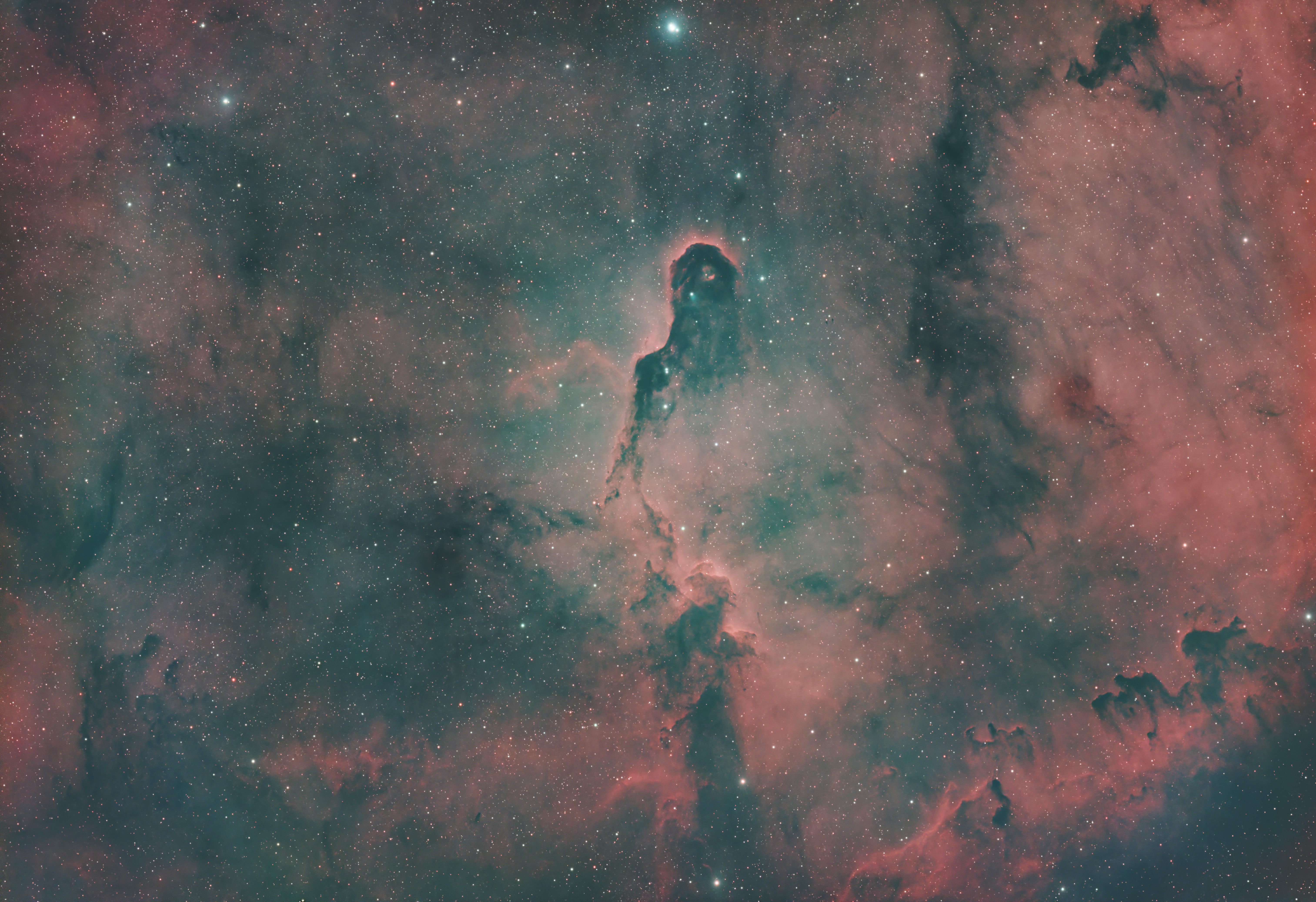
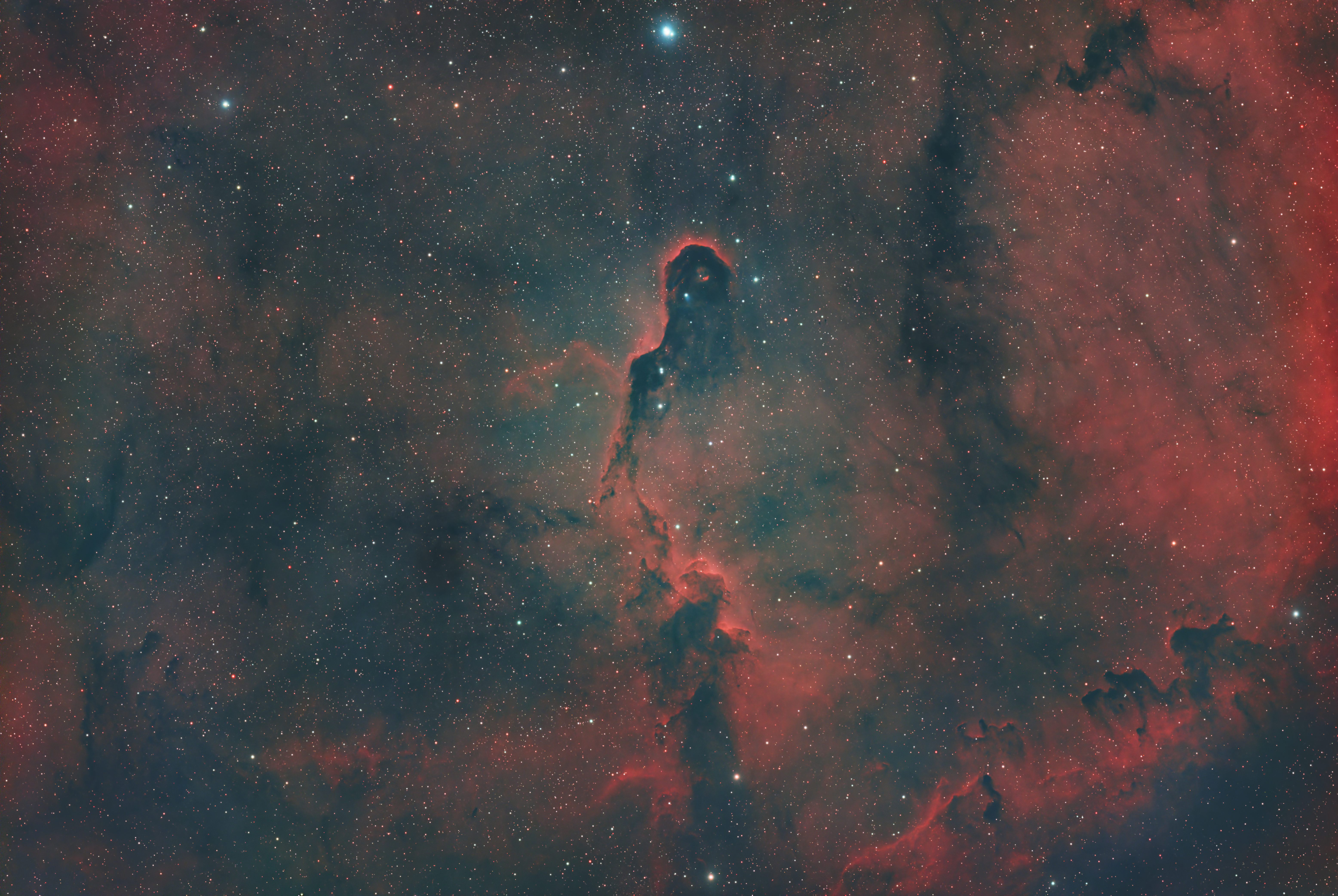
IC 1396 (Elephant Trunk Nebula)
- Details
- Hits: 132
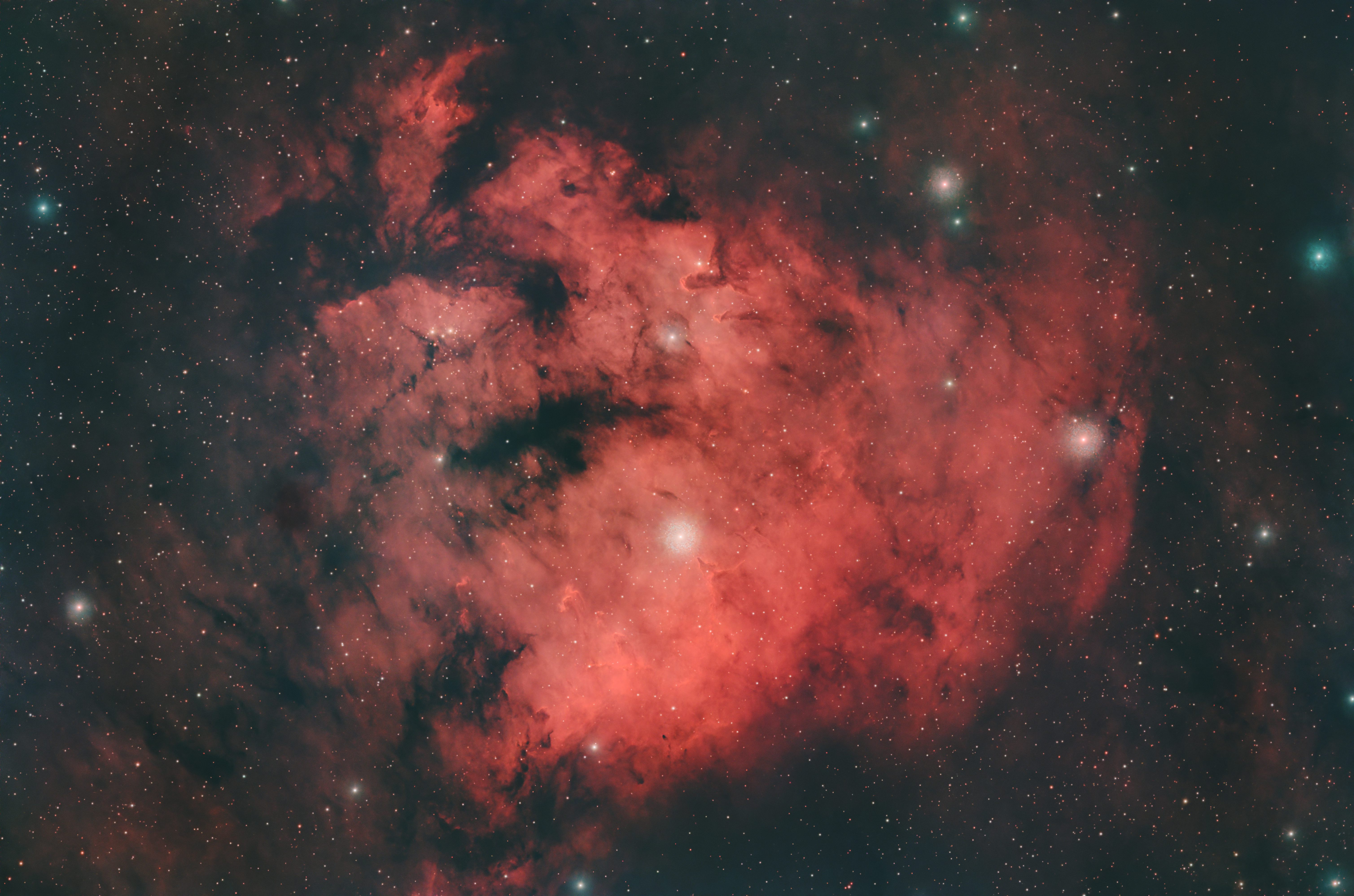
Click on the image to view it at full resolution, then click again for actual size.
- Details
- Hits: 527