Seestar S30
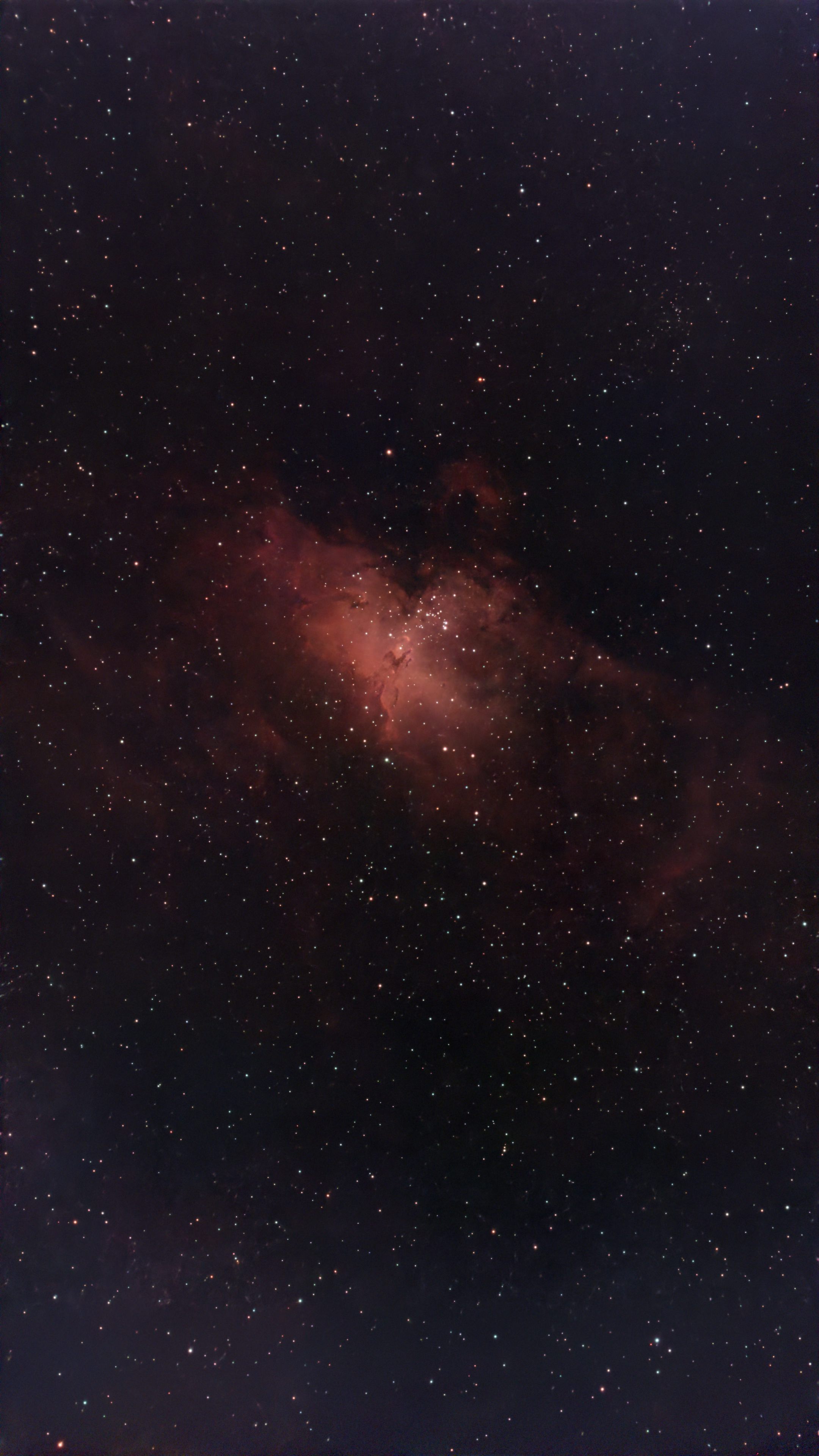
The Eagle Nebula is a young open cluster of stars in the constellation of Serpens.
- Details
- Hits: 102
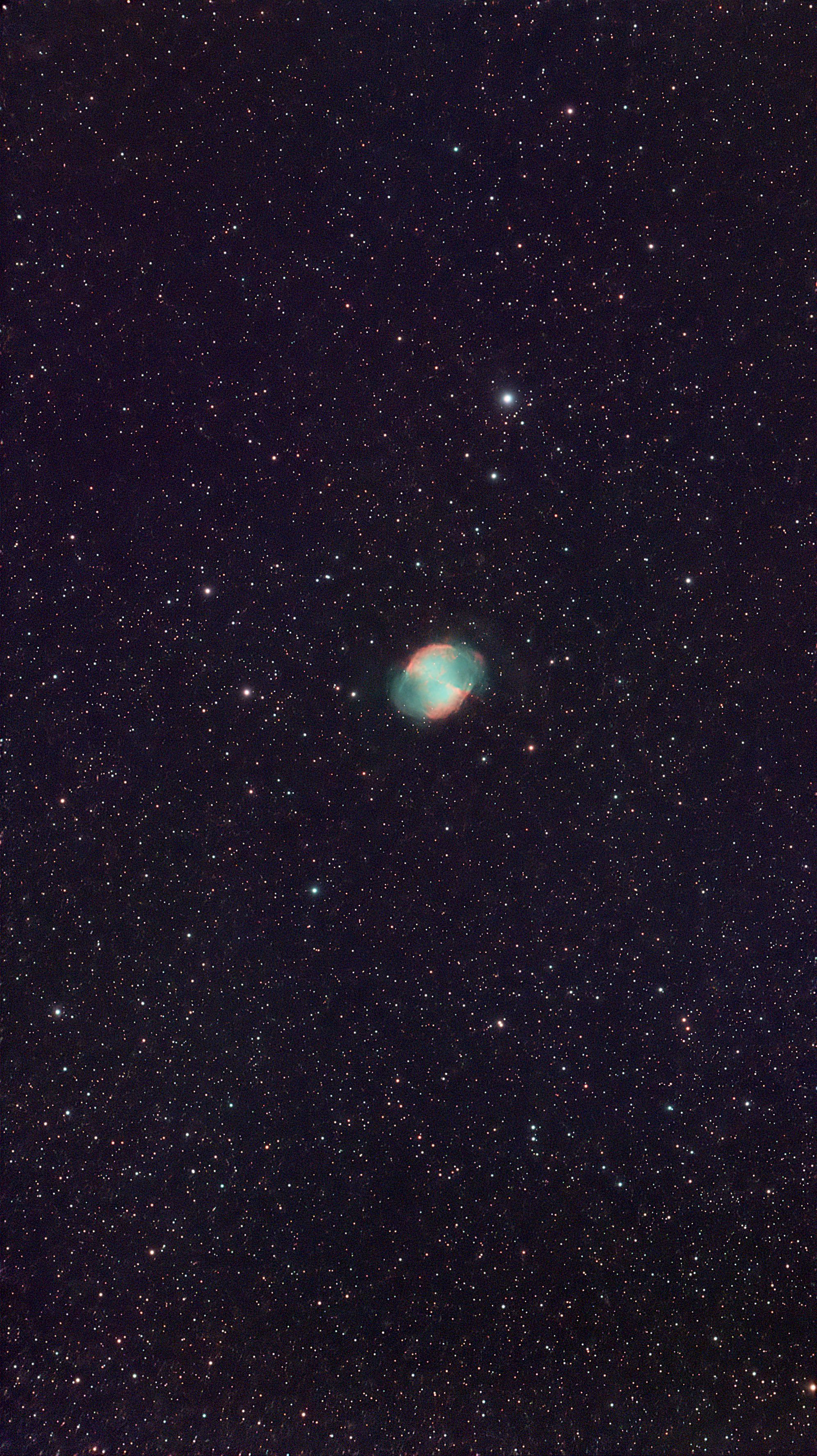
Messier 27, the Dumbbell Nebula (NGC 6853), is a planetary nebula in the constellation Vulpecula, and holds the distinction of being the first planetary nebula ever discovered, found by Charles Messier in 1764.
- Details
- Hits: 235
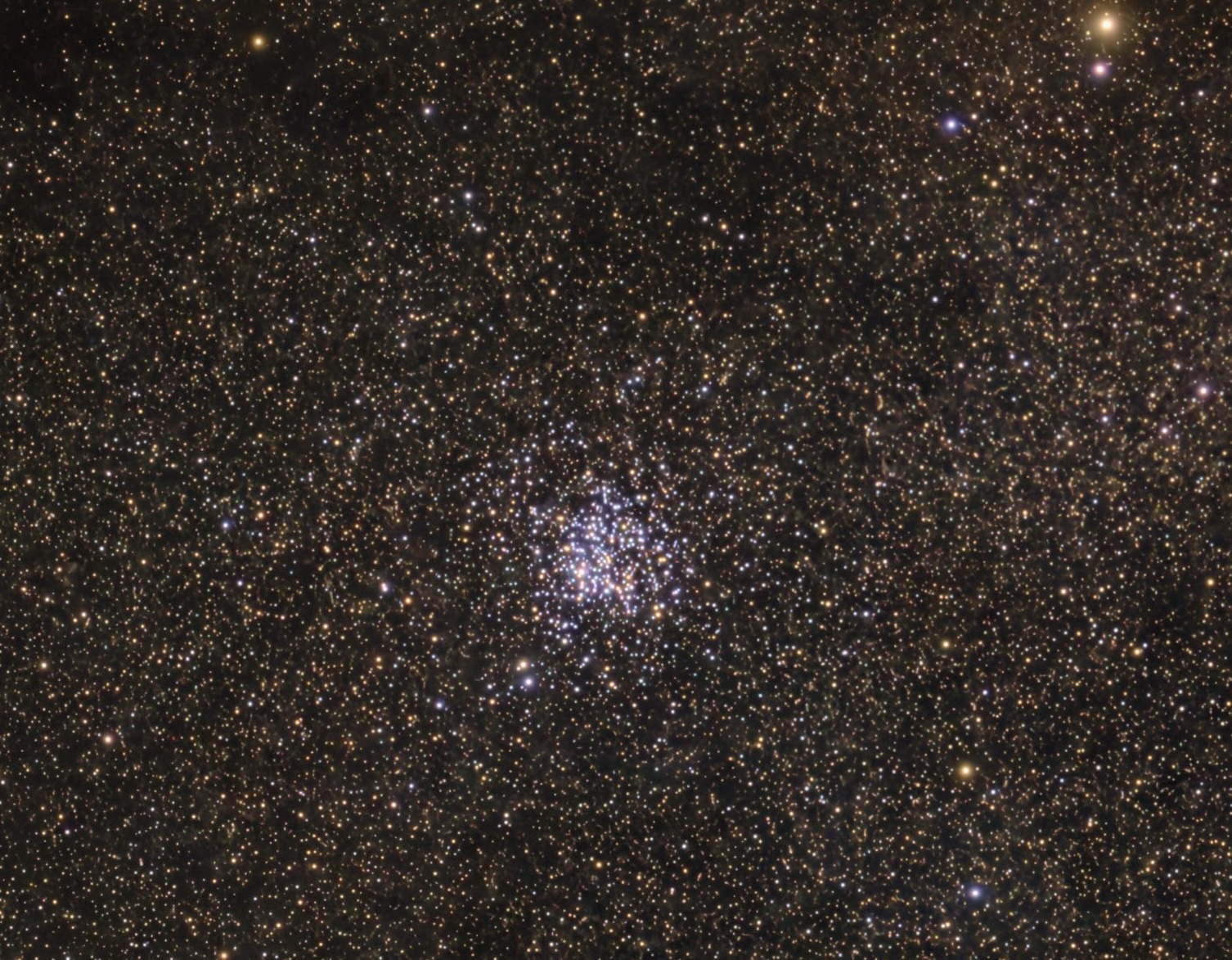
Messier 11 (NGC 6705), the Wild Duck Cluster, is a rich open star cluster in the constellation Scutum, lying about 6,100 light-years away, making it one of the most distant open clusters in the Messier catalog still visible to the naked eye.
- Details
- Hits: 105
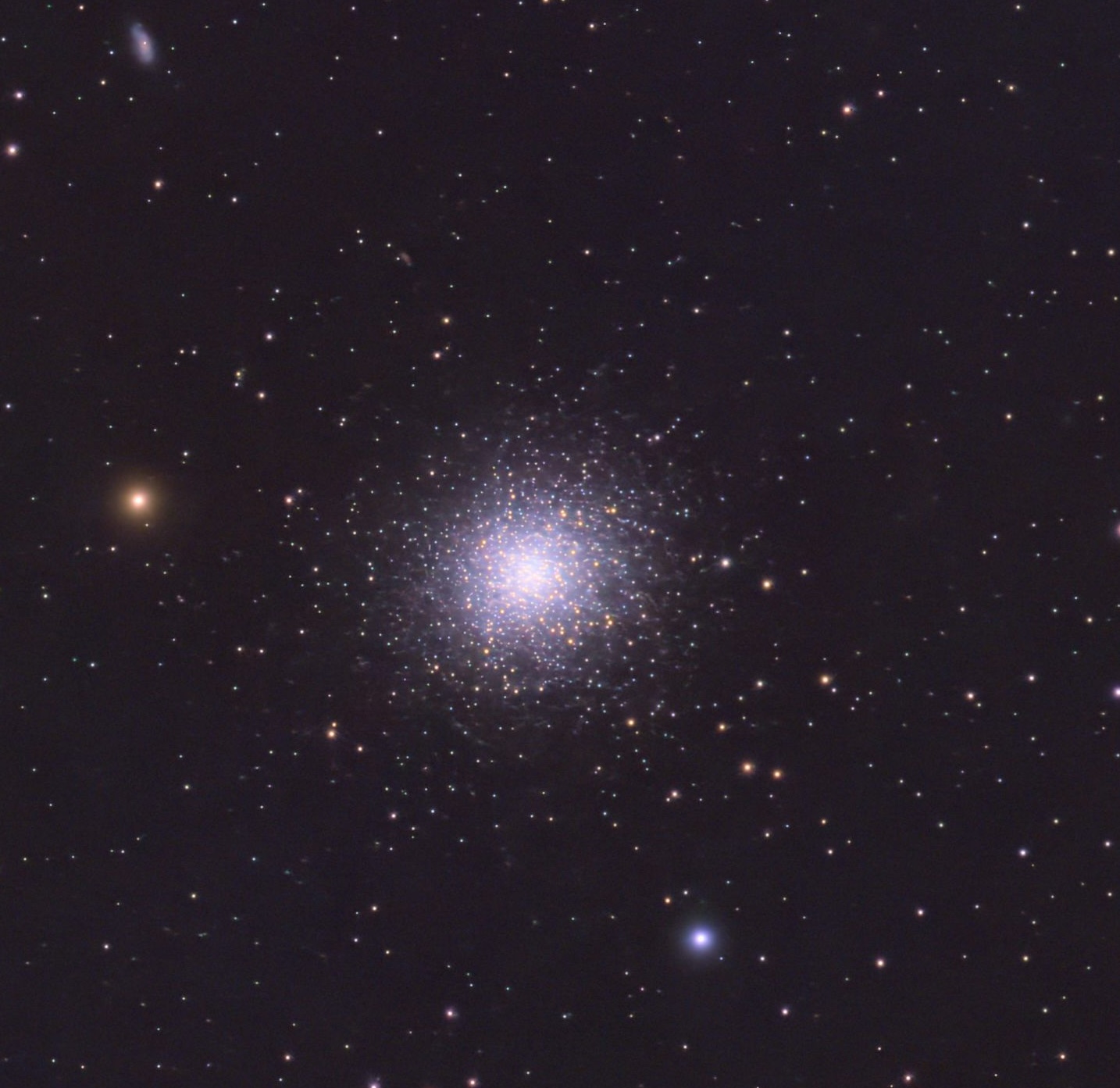
Messier 13 (NGC 6205), the Great Hercules Cluster, is the brightest globular cluster visible from the northern hemisphere, located in the constellation Hercules.
- Details
- Hits: 114
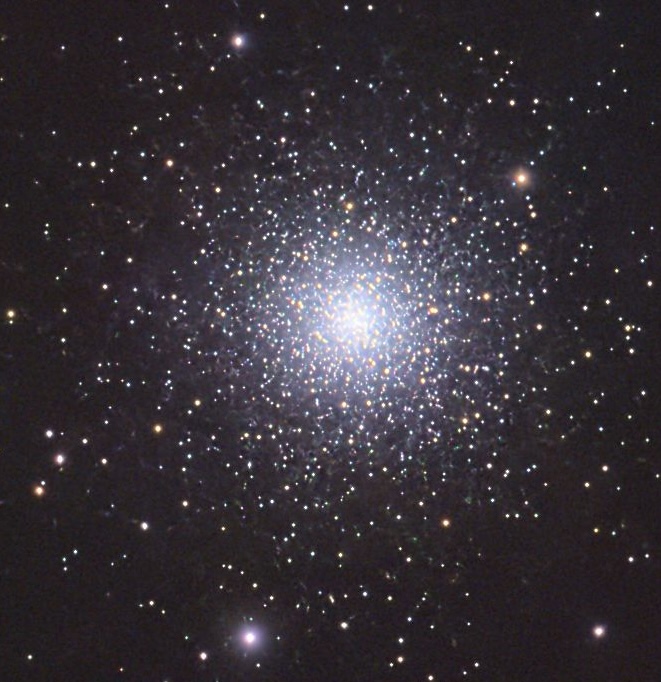
Messier 3 (NGC 5272) is a large, bright globular cluster in the constellation Canes Venatici, located approximately 33,900 light-years from Earth.
- Details
- Hits: 194
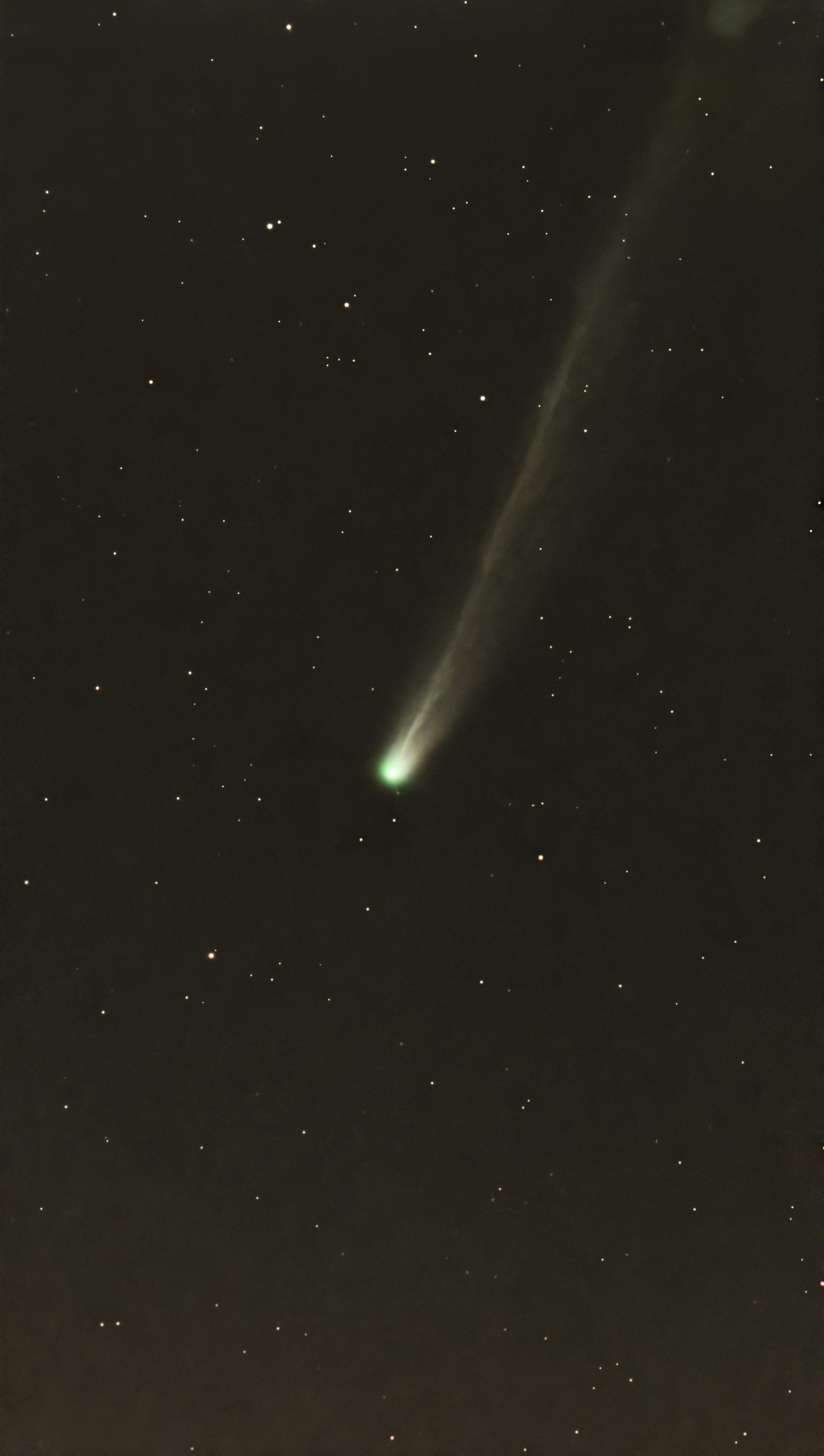
Comet C/2025 R3 (PANSTARRS) is a long-period comet discovered on September 8, 2025 by Yudish Ramanjooloo using the Pan-STARRS2 1.8-meter telescope on Haleakalā, Hawaii, when it appeared as a faint, roughly 19th-20th magnitude object in Andromeda some 3.6 AU from the Sun.
- Details
- Hits: 194
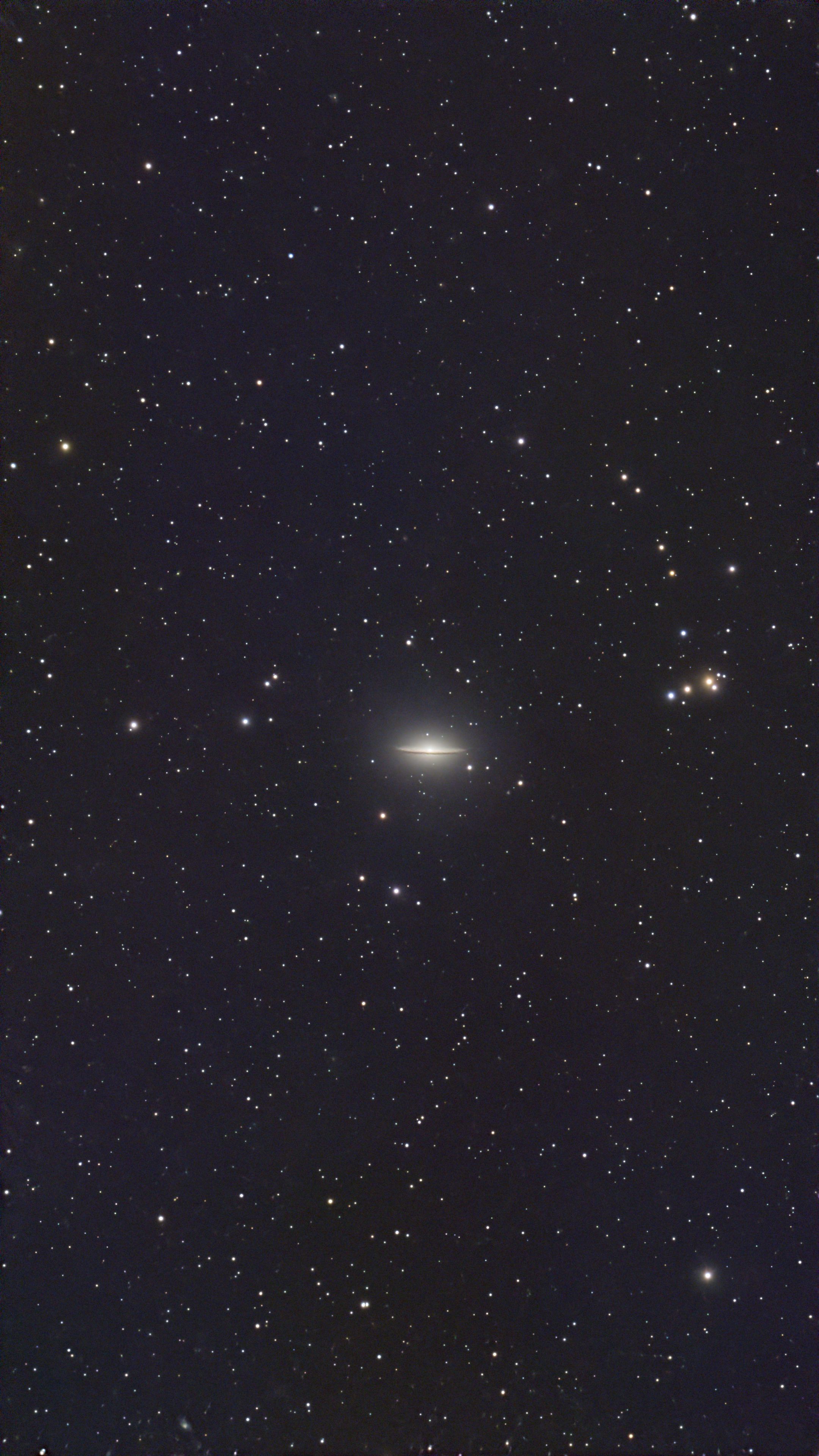
Messier 104, the Sombrero Galaxy, is a spiral galaxy of somewhat ambiguous classification straddling the Virgo/Corvus border, often described as intermediate between a spiral and a lenticular galaxy.
- Details
- Hits: 179
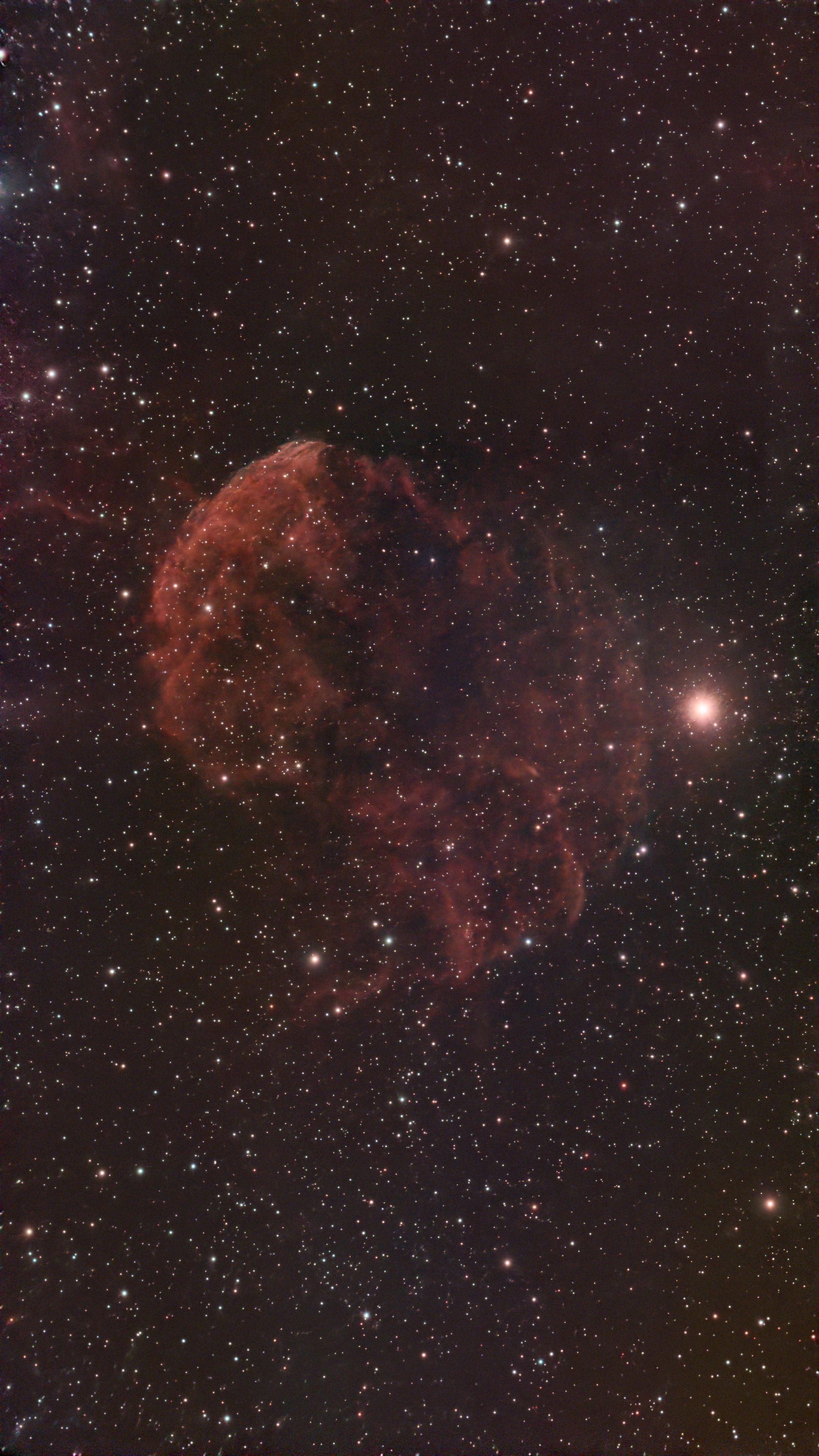
IC 443, nicknamed the Jellyfish Nebula, is a supernova remnant in the constellation Gemini, located near the star Eta Geminorum at the foot of the Twins.
- Details
- Hits: 178
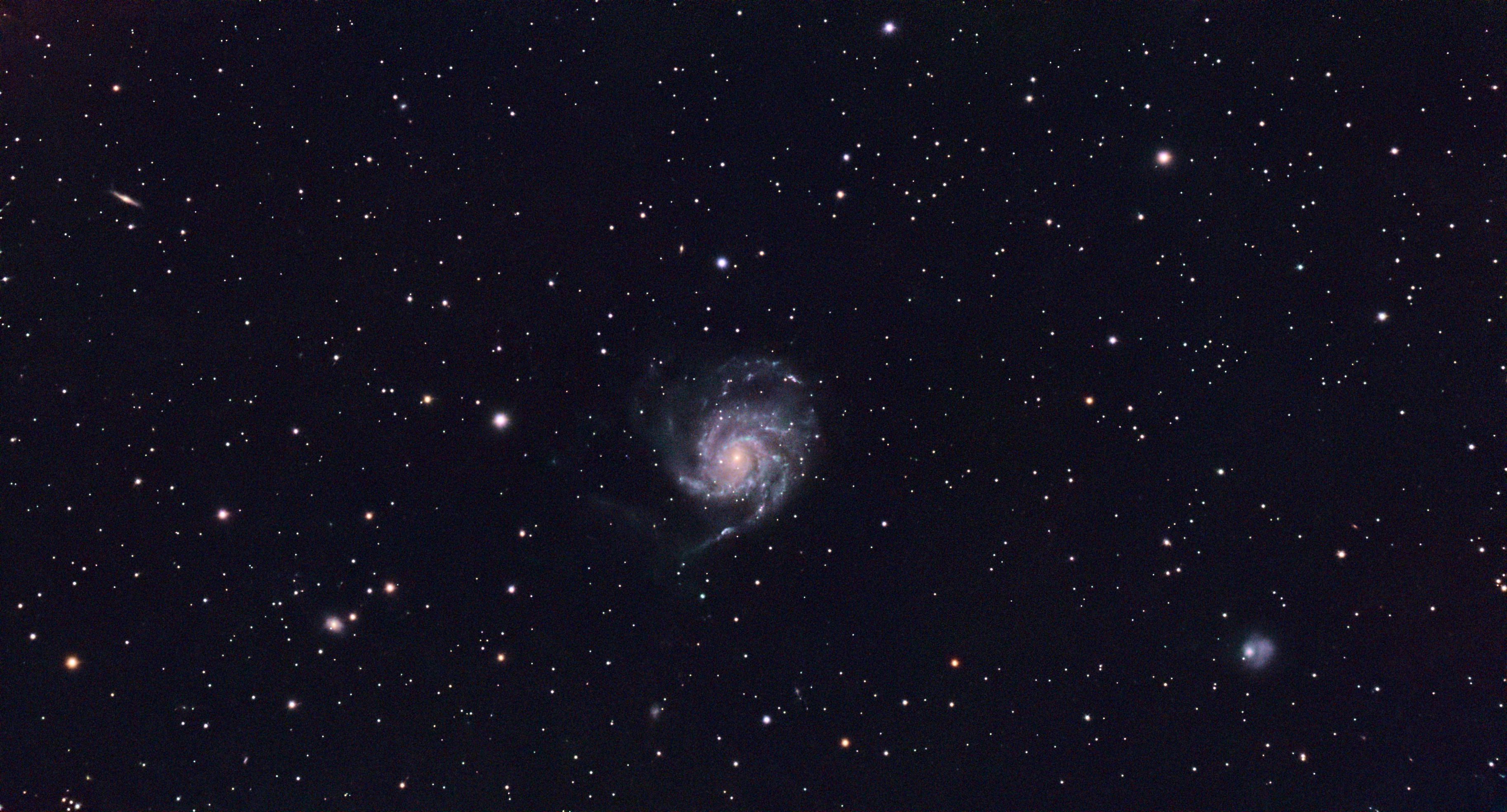
Messier 101, the Pinwheel Galaxy, is a large, face-on “grand design” spiral galaxy in Ursa Major, cataloged as NGC 5457.
- Details
- Hits: 217
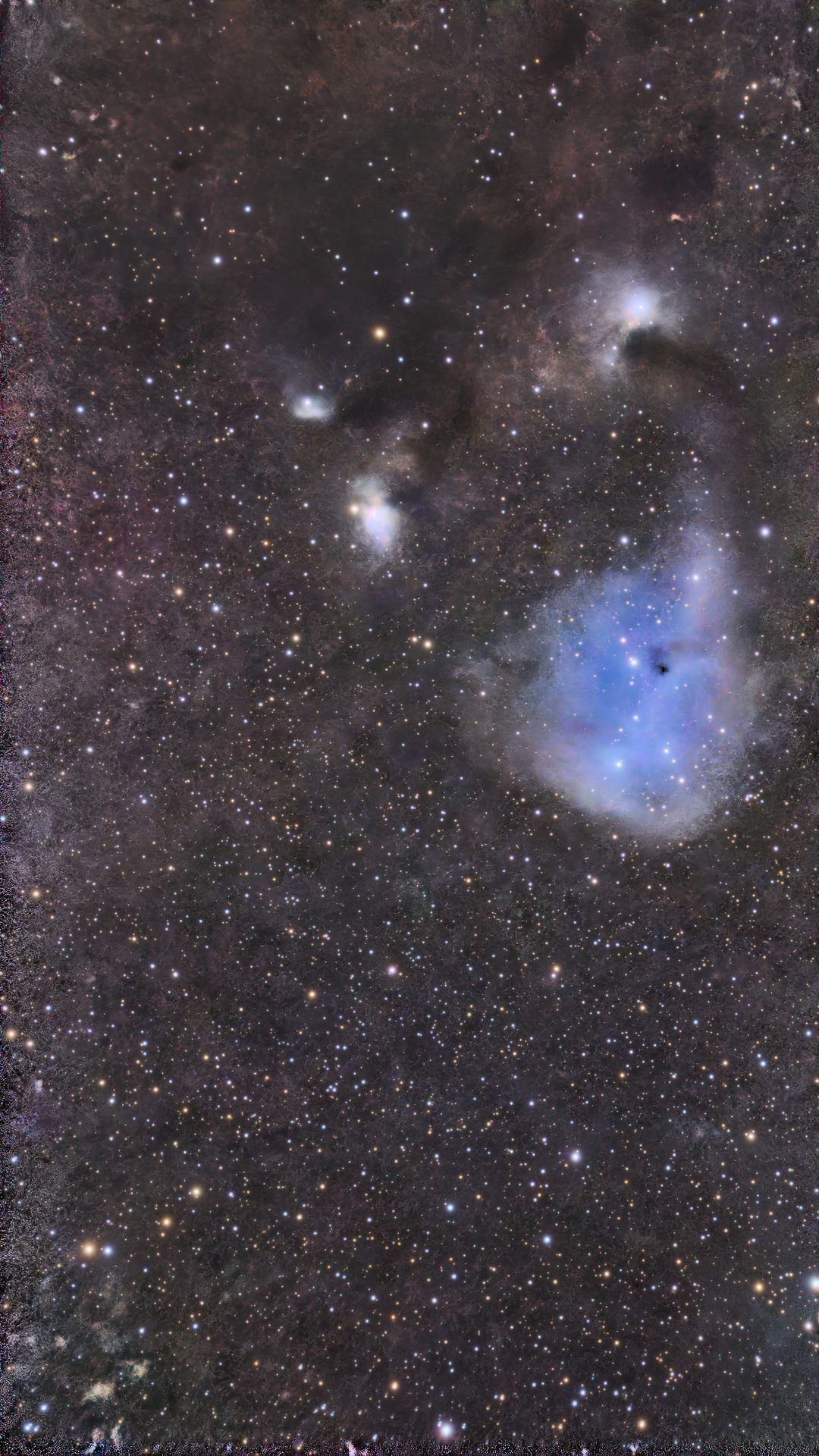
IC 2169, sometimes called Dreyer's Nebula, is a bright blue reflection nebula in the constellation Monoceros, lying roughly two degrees west of the more famous Cone Nebula and Christmas Tree Cluster (NGC 2264).
- Details
- Hits: 202

NGC 2264 is a combined designation covering the Christmas Tree Cluster, a young open star cluster in Monoceros, and the adjoining Cone Nebula, a dark, pillar-like dust column at its southern tip.
- Details
- Hits: 176
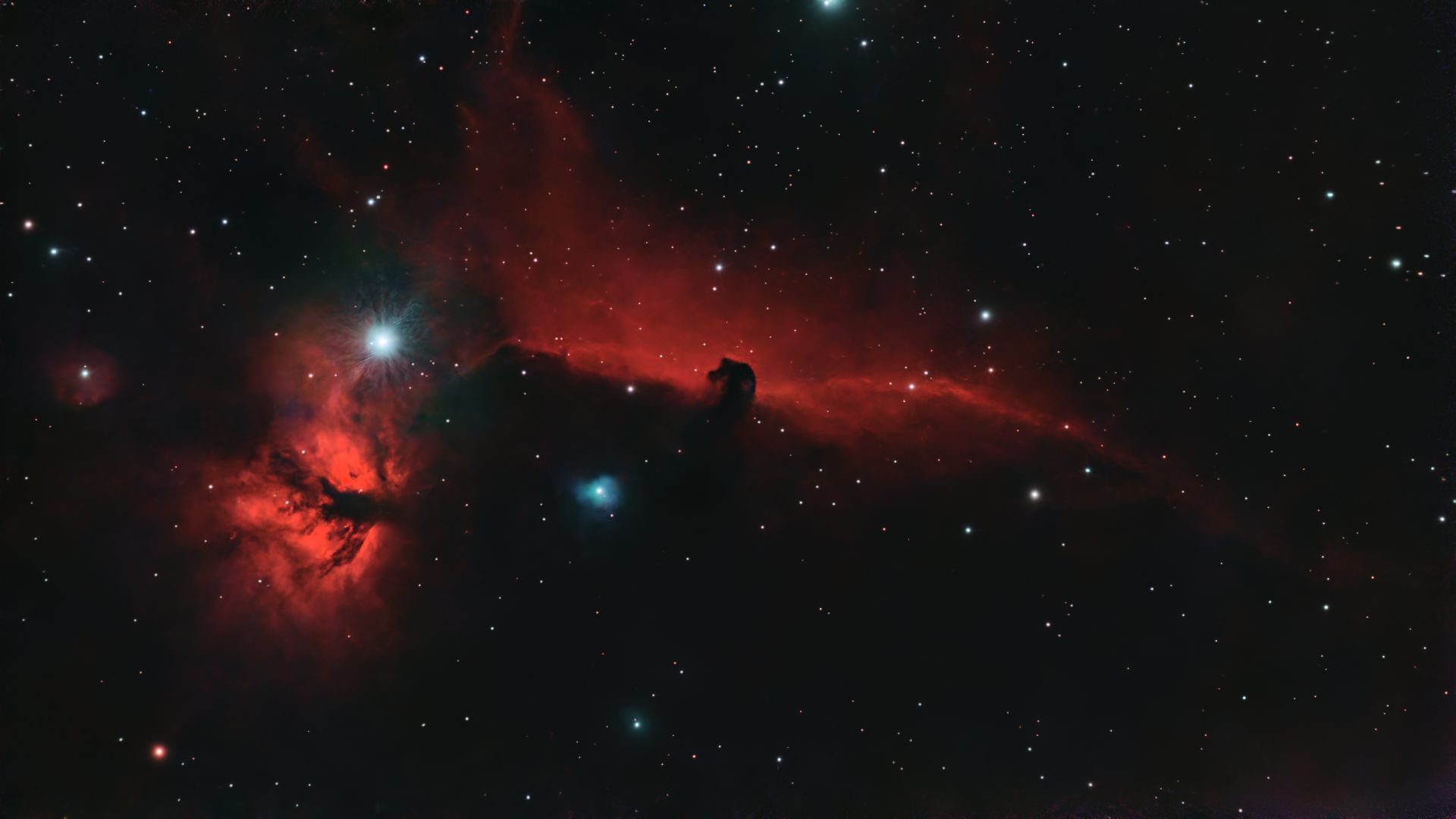
Click on the image to view it at full resolution, then click again for actual size.
- Details
- Hits: 555
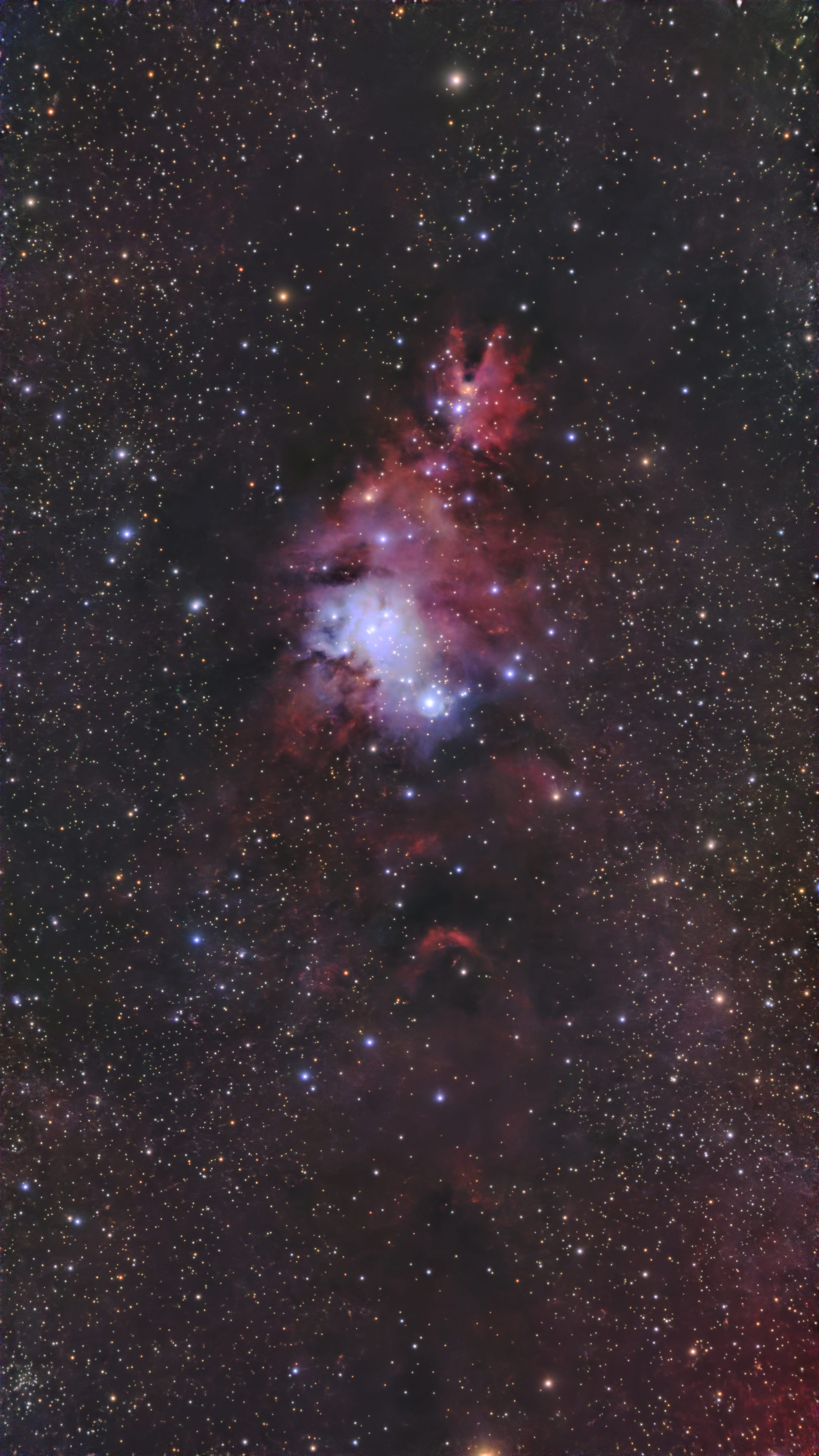
Click on the image to view it at full resolution, then click again for actual size.
- Details
- Hits: 690
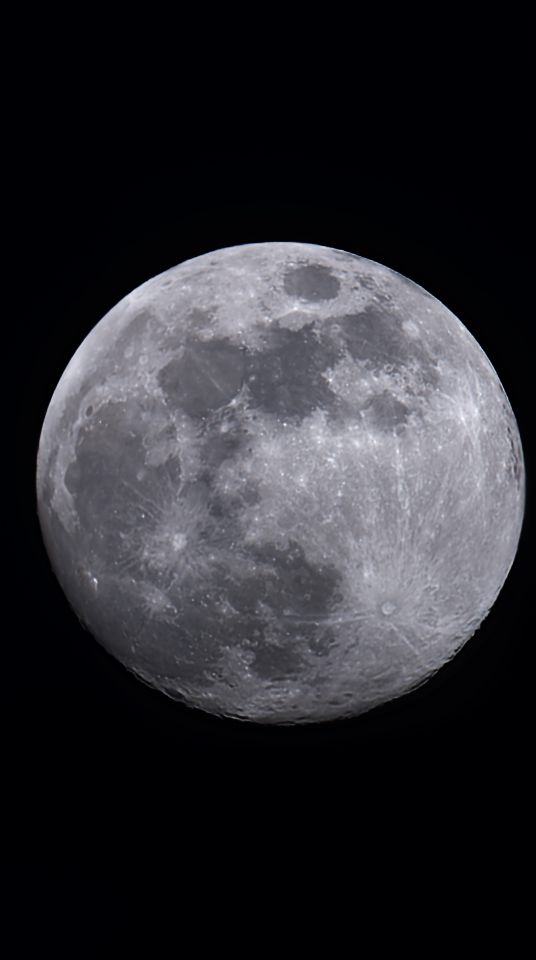
S30 Image Note: click on the image to view it at the full resolution of the uploaded image, then click again for actual size.
- Details
- Hits: 616
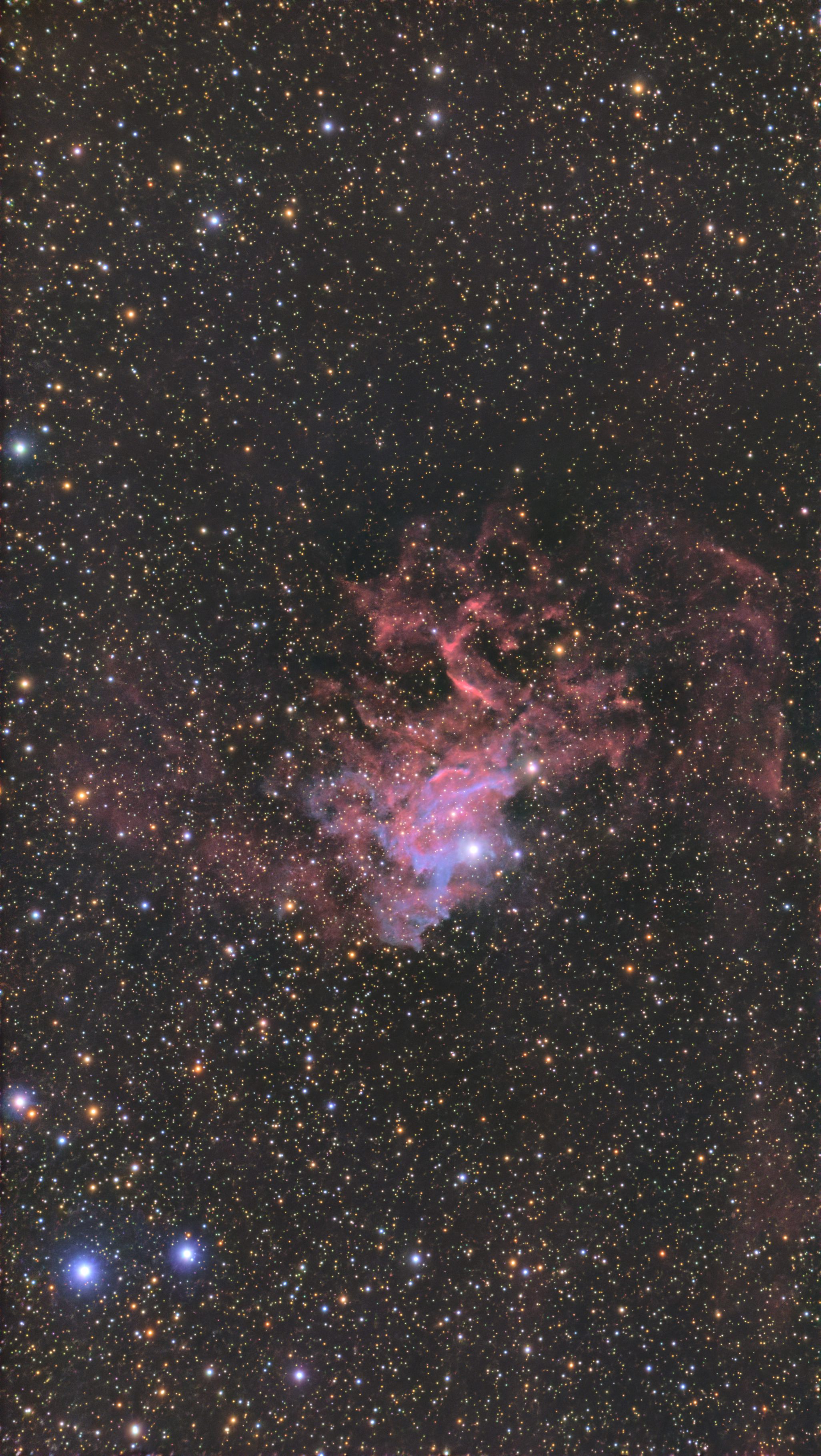
IC 405, the Flaming Star Nebula, is a mixed emission and reflection nebula in the constellation Auriga, surrounding the bright, irregular variable star AE Aurigae.
- Details
- Hits: 227
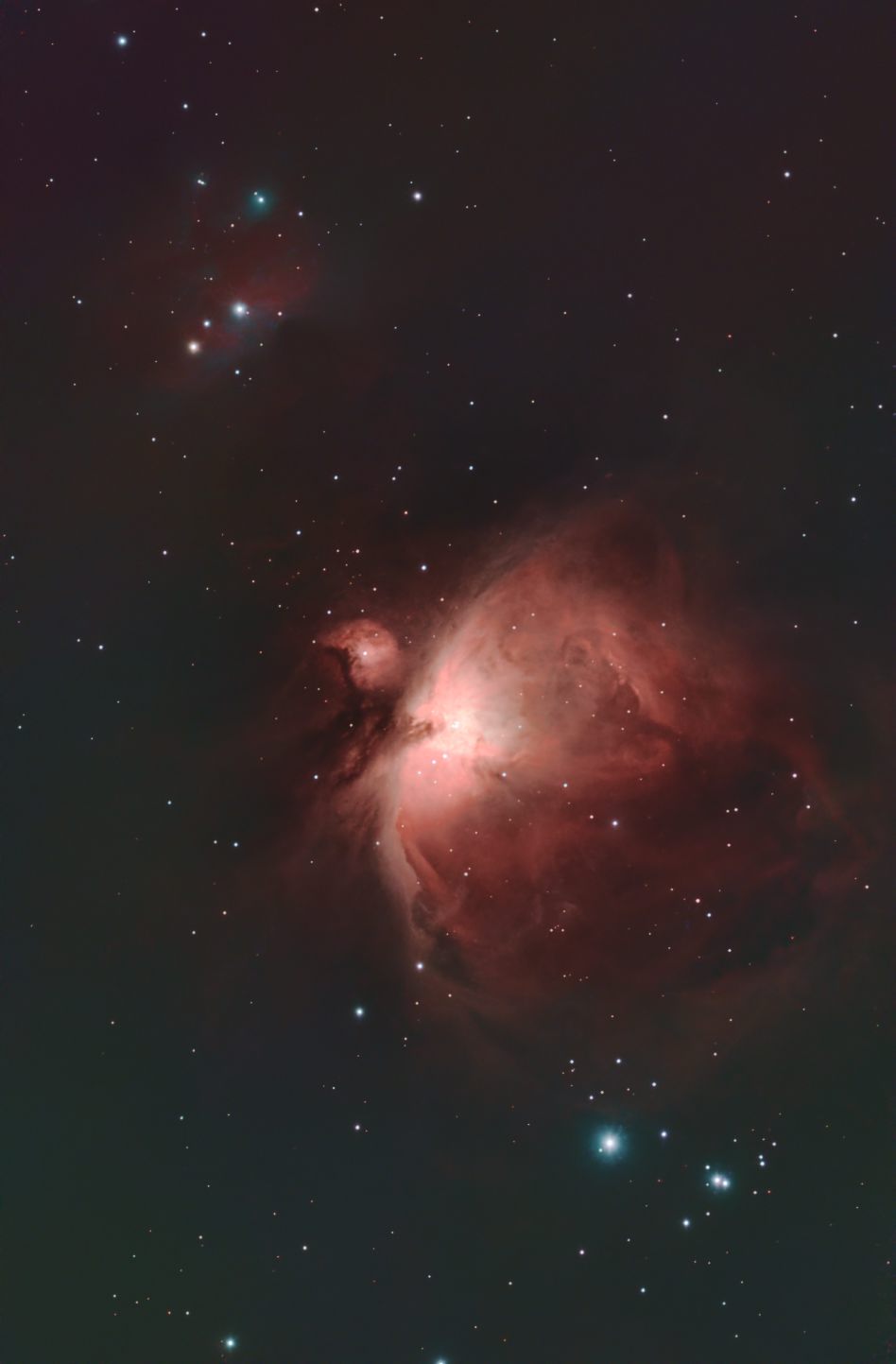
The Orion Nebula (M42, NGC 1976) is a diffuse emission nebula in the constellation Orion and the closest large region of massive star formation to Earth, at a distance of roughly 1,300-1,350 light-years.
- Details
- Hits: 222
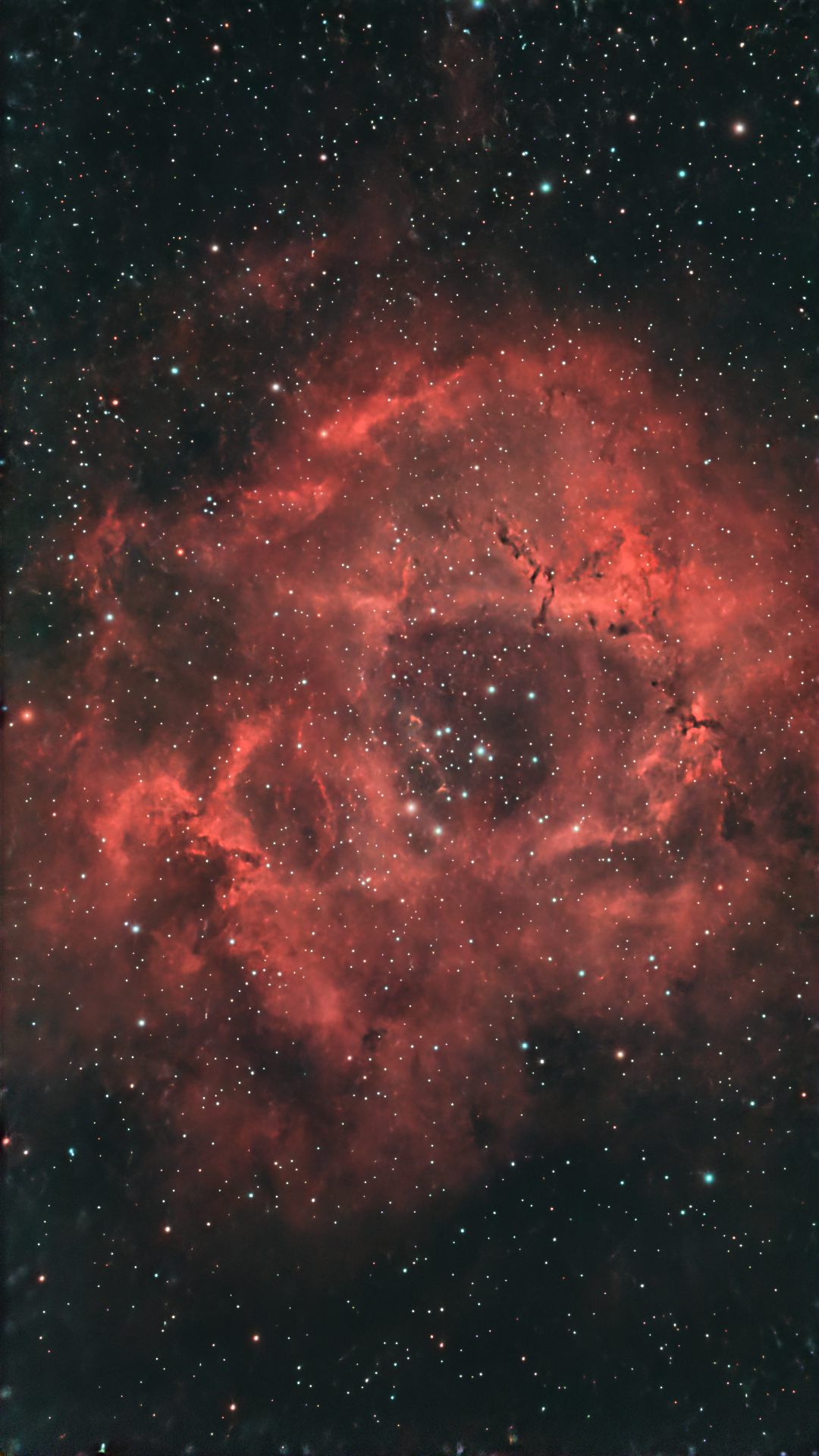
NGC 2244 is an open star cluster embedded within the Rosette Nebula, a large HII region in the constellation Monoceros located about 5,200 light-years away.
- Details
- Hits: 510
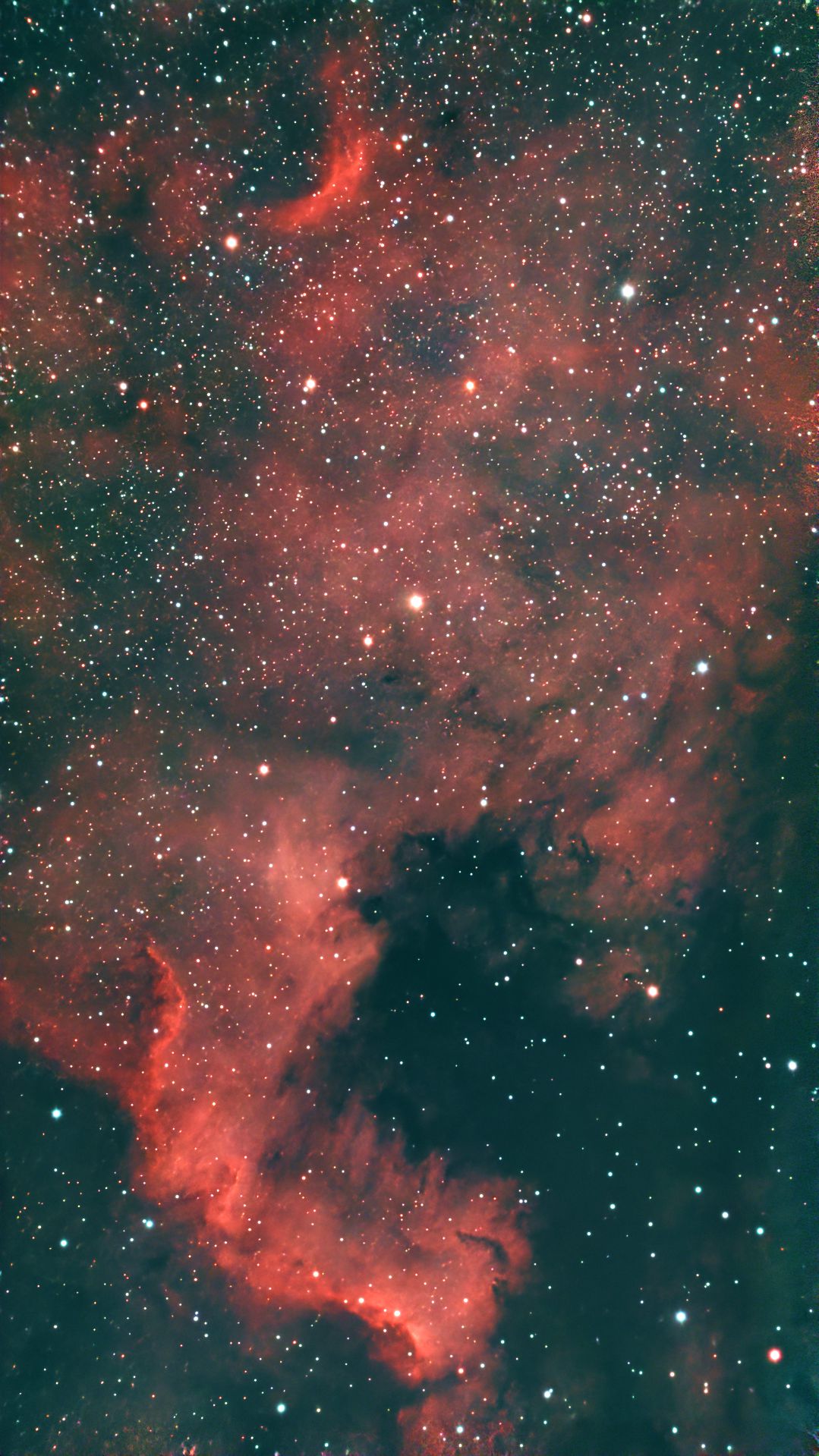
Click on the image to view it at full resolution, then click again for actual size.
- Details
- Hits: 636

The Horsehead Nebula (Barnard 33) is a dark nebula silhouetted against the glowing red emission nebula IC 434 in the constellation Orion, just south of Alnitak (Zeta Orionis), the easternmost star in Orion's Belt.
- Details
- Hits: 526
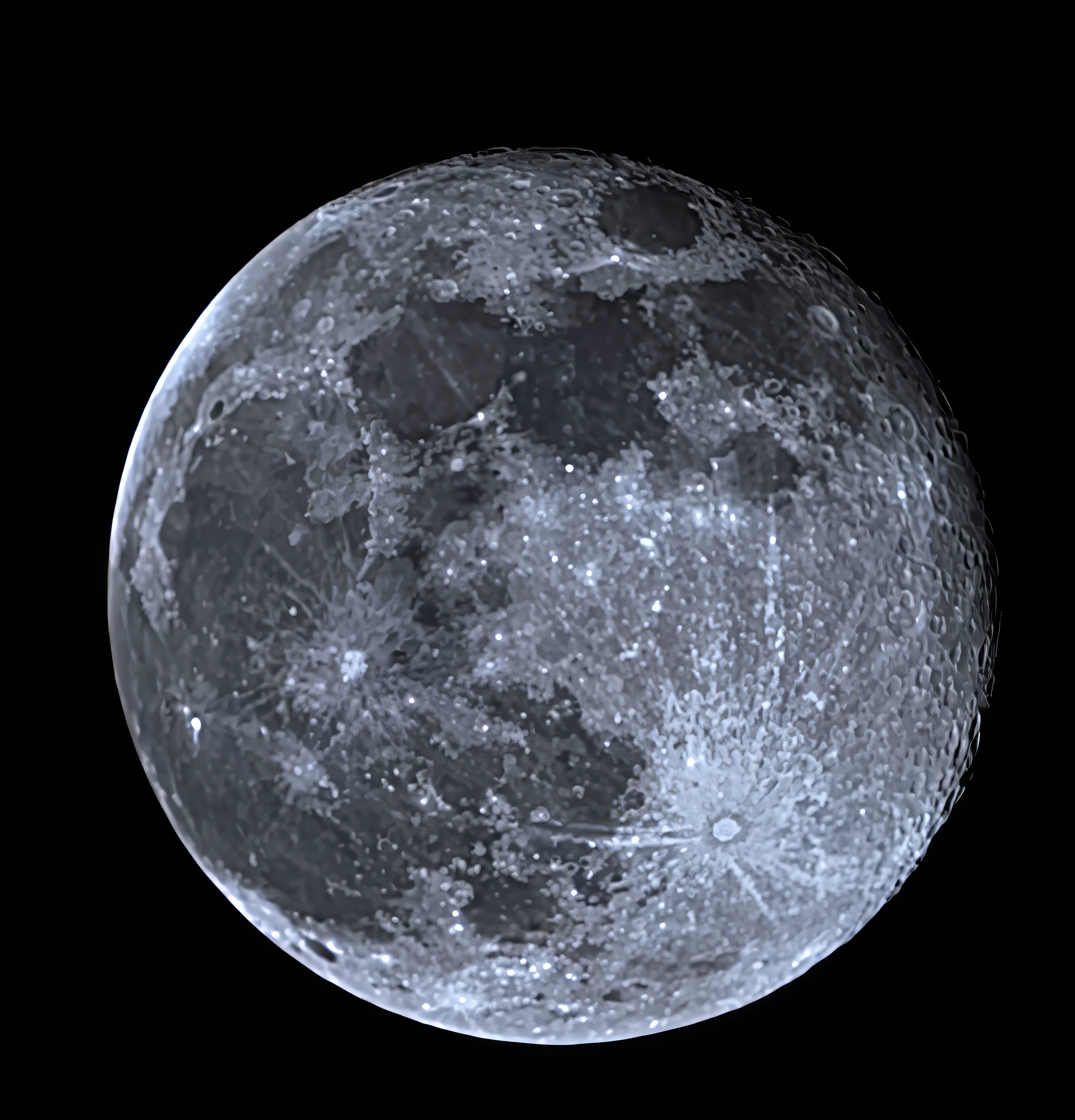
S30 Image Note: click on the image to view it at the full resolution of the uploaded image, then click again for actual size.
- Details
- Hits: 559

Messier 33, the Triangulum Galaxy, is a face-on spiral galaxy in the constellation Triangulum and the third-largest member of the Local Group after the Milky Way and Andromeda.
- Details
- Hits: 230
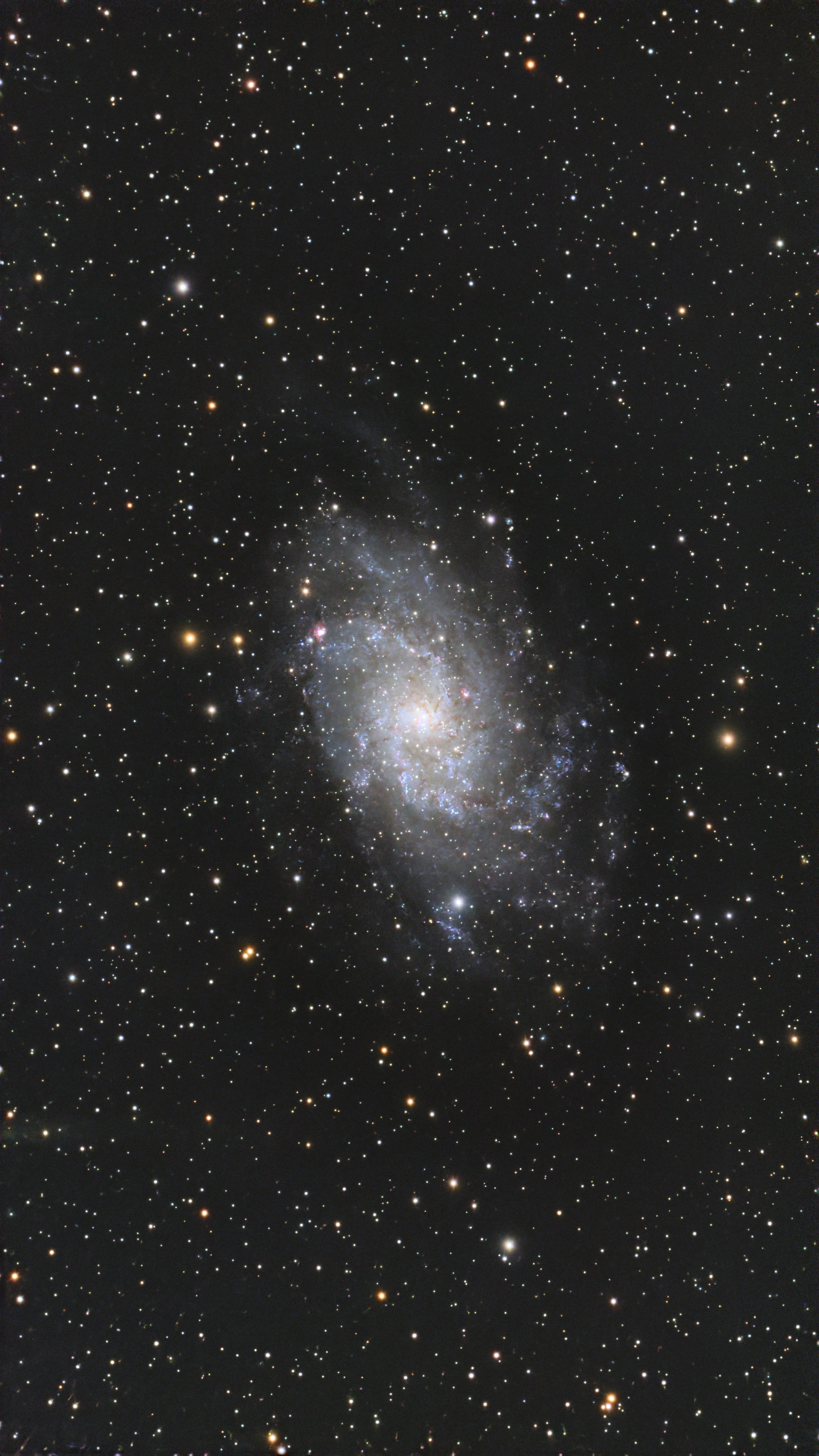
Click on the image to view it at full resolution, then click again for actual size.
- Details
- Hits: 572
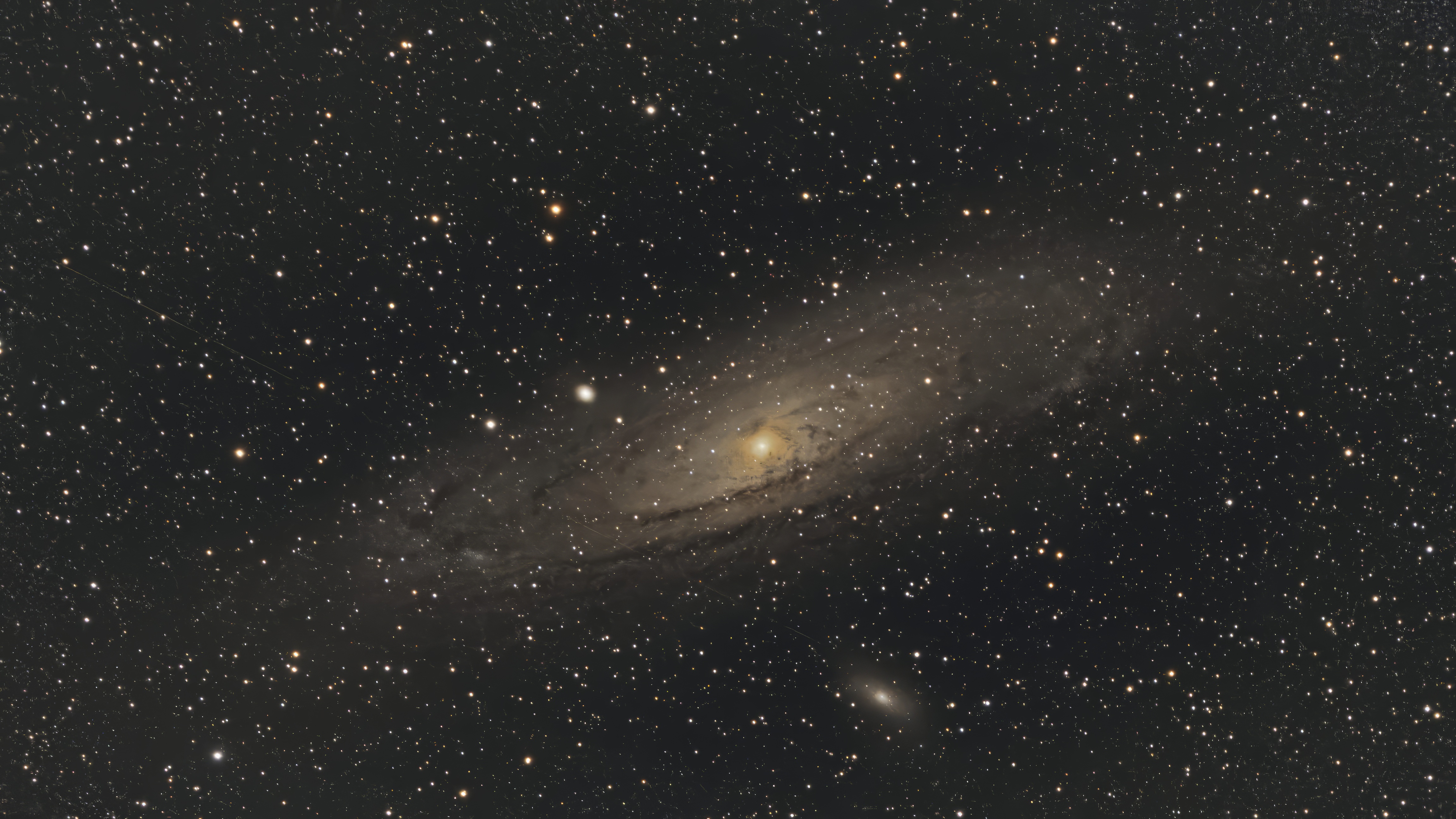
The Andromeda Galaxy (M31, NGC 224) is the nearest large galaxy to the Milky Way, located about 2.5 million light-years away in the constellation Andromeda.
- Details
- Hits: 183
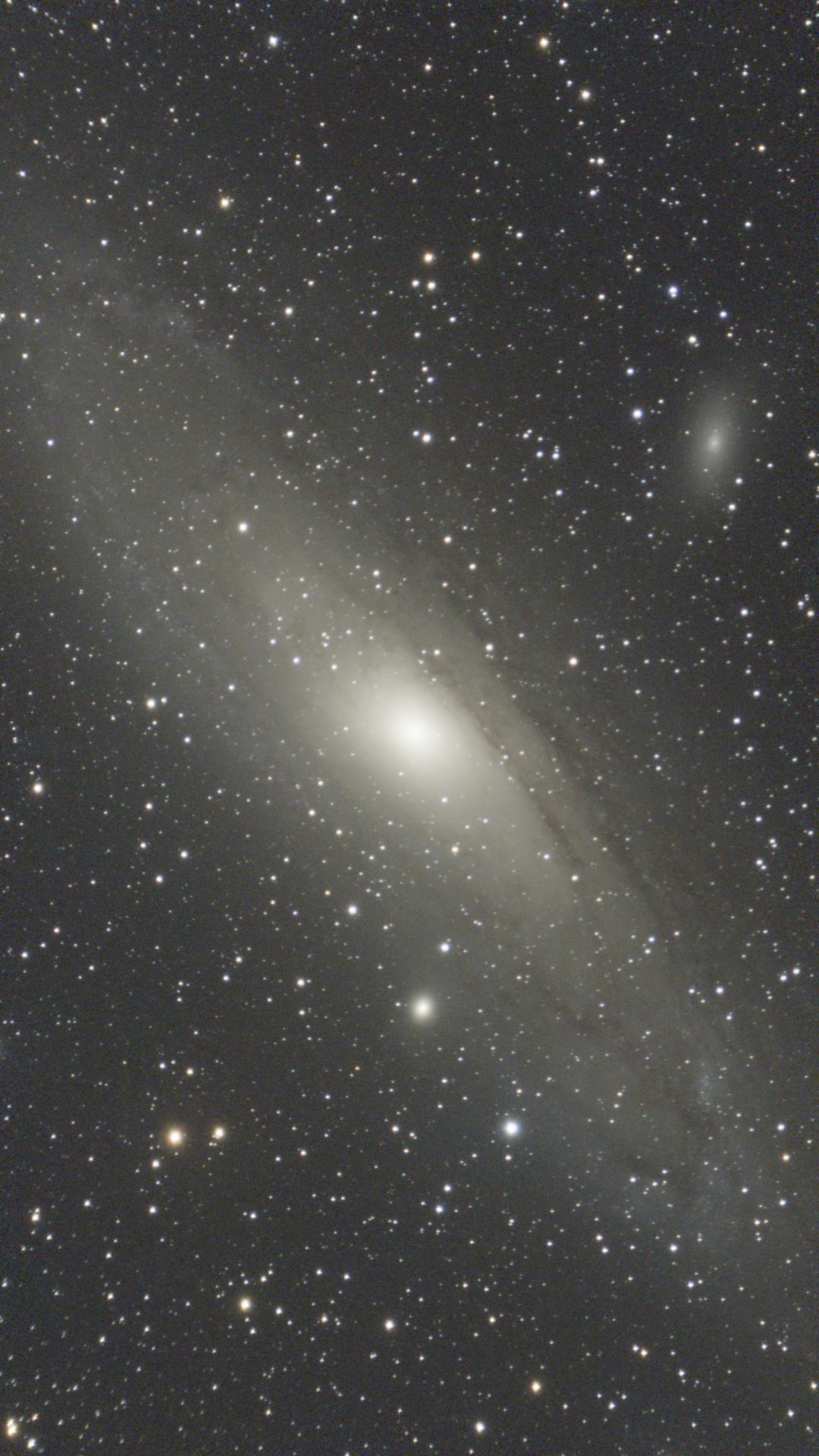
The Andromeda Galaxy (M31, NGC 224) is the nearest large galaxy to the Milky Way, located about 2.5 million light-years away in the constellation Andromeda.
- Details
- Hits: 107
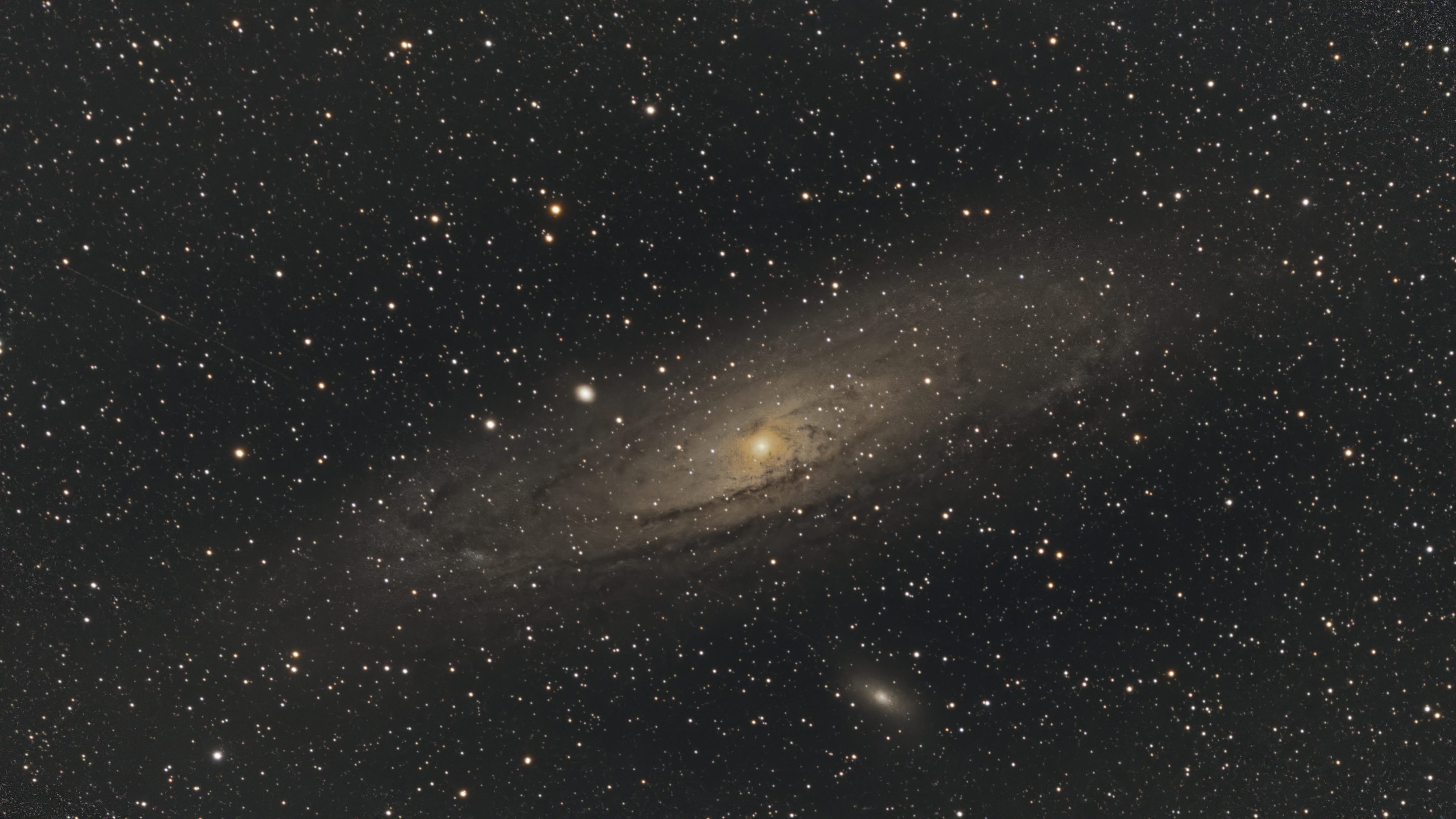
Click on the image to view it at full resolution, then click again for actual size.
- Details
- Hits: 763
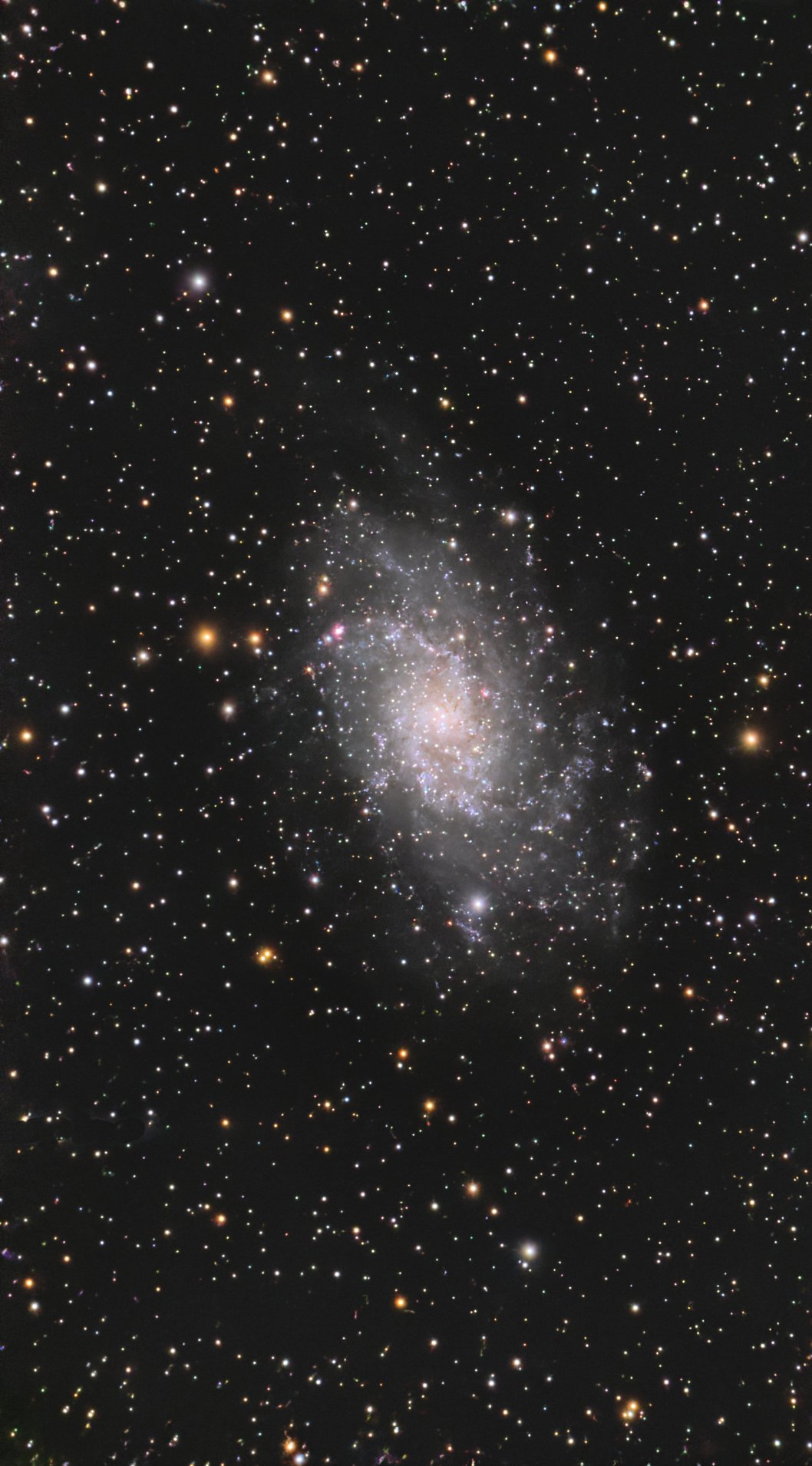
Click on the image to view it at full resolution, then click again for actual size.
- Details
- Hits: 539
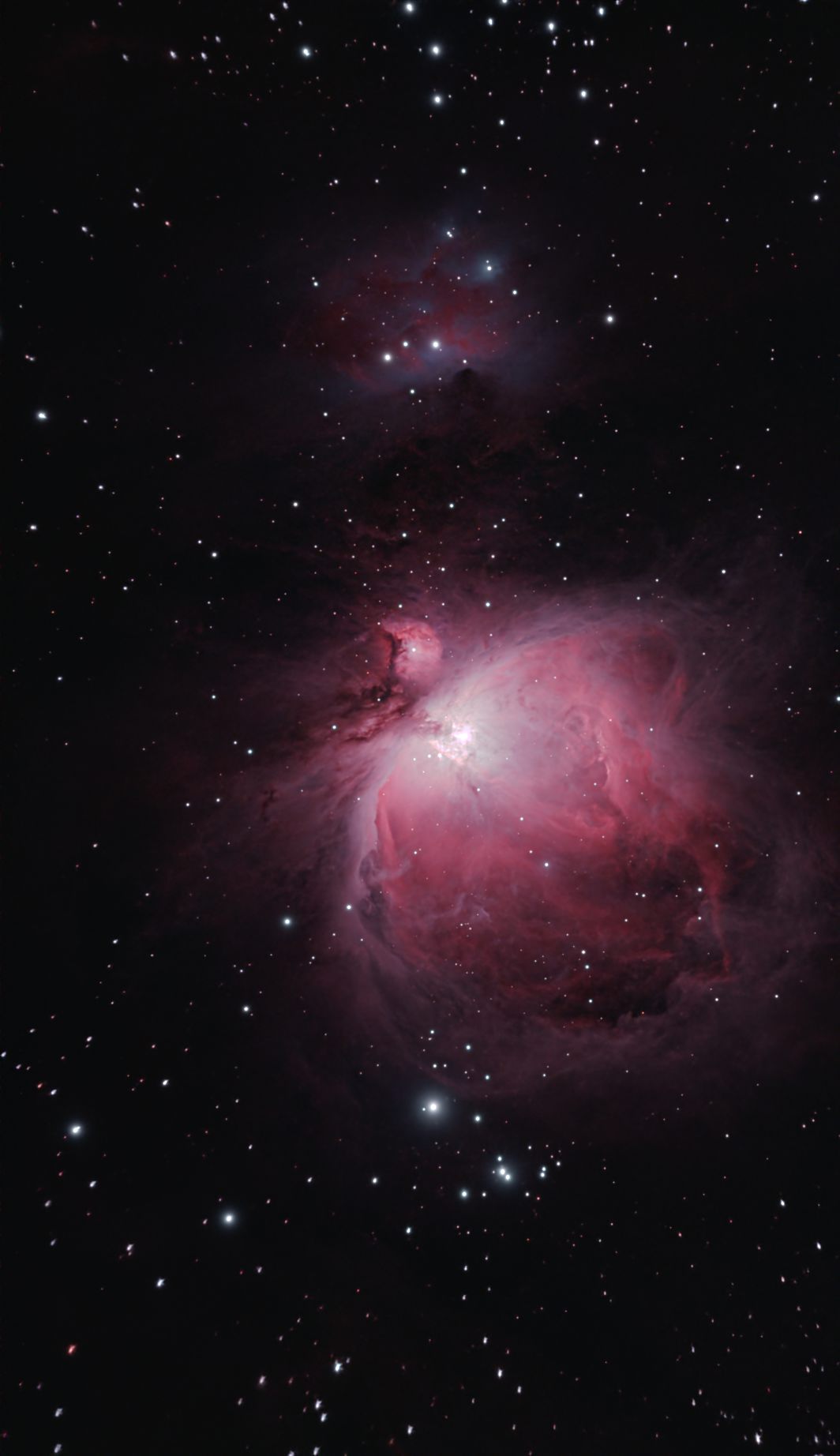
The Orion Nebula (M42, NGC 1976) is a diffuse emission nebula in the constellation Orion and the closest large region of massive star formation to Earth, at a distance of roughly 1,300-1,350 light-years.
- Details
- Hits: 82
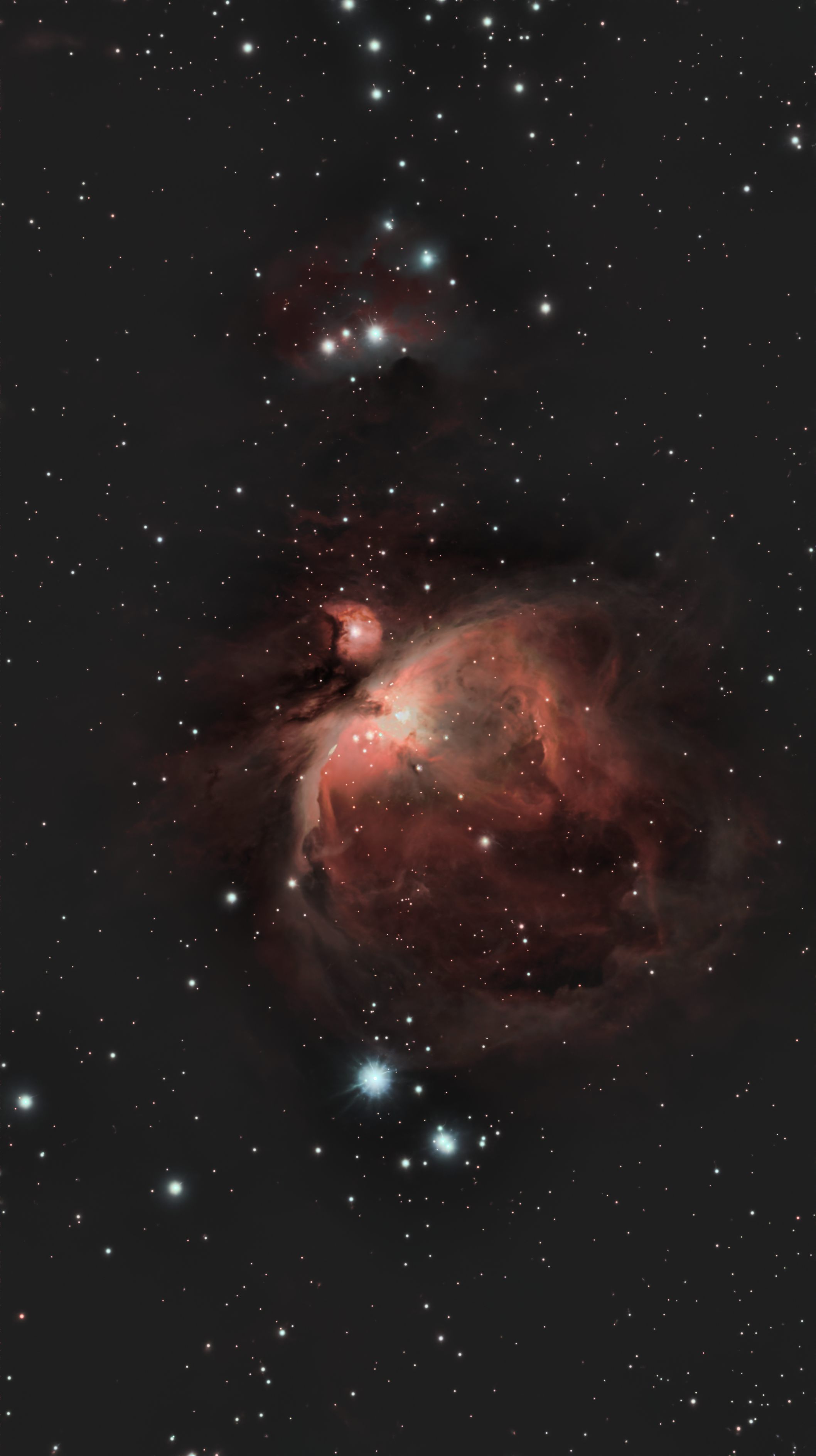
Click on the image to view it at full resolution, then click again for actual size.
- Details
- Hits: 777
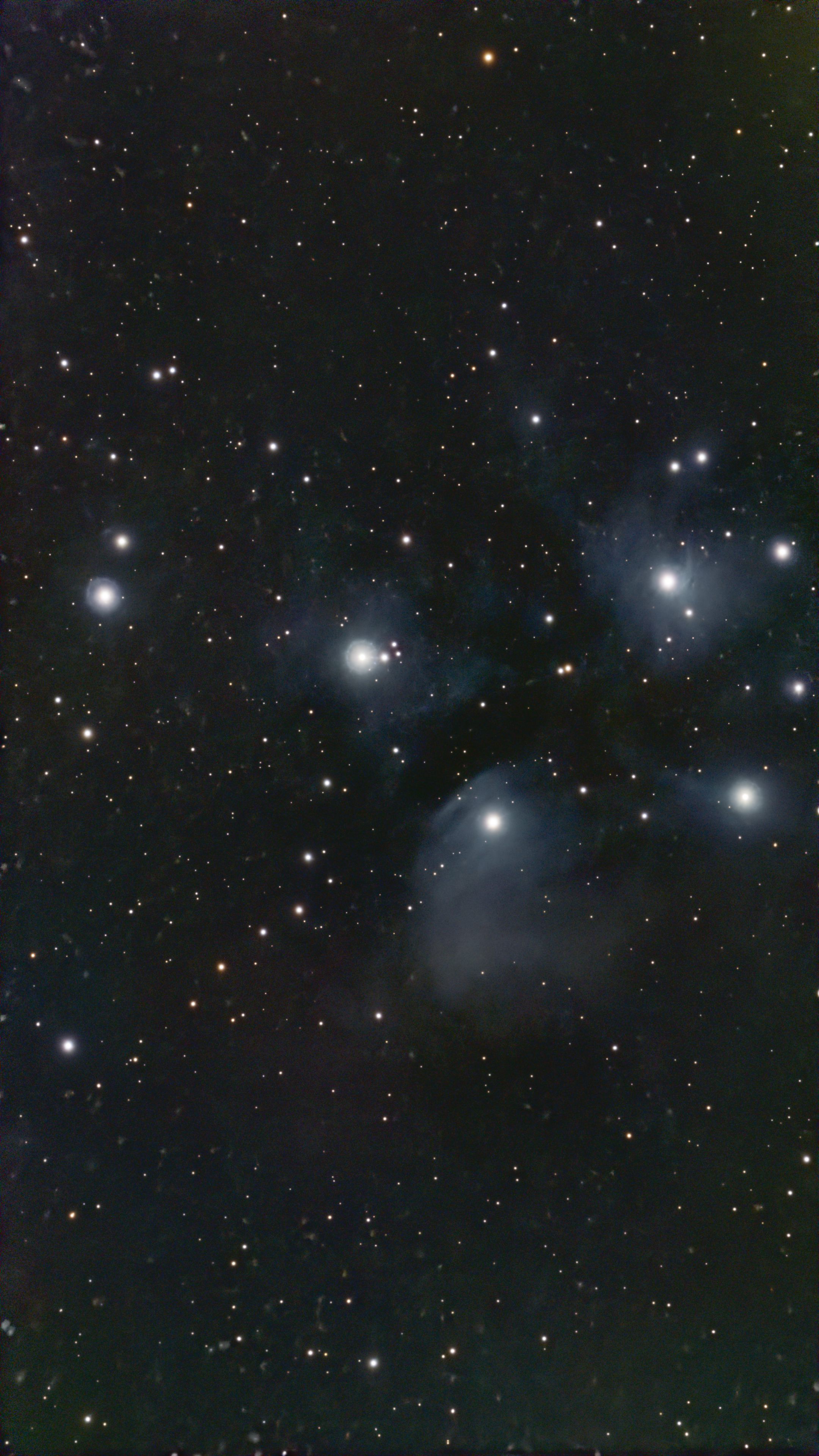
The Pleiades (M45), also called the Seven Sisters, is a bright open star cluster in the constellation Taurus, easily visible to the naked eye and known since antiquity.
- Details
- Hits: 400
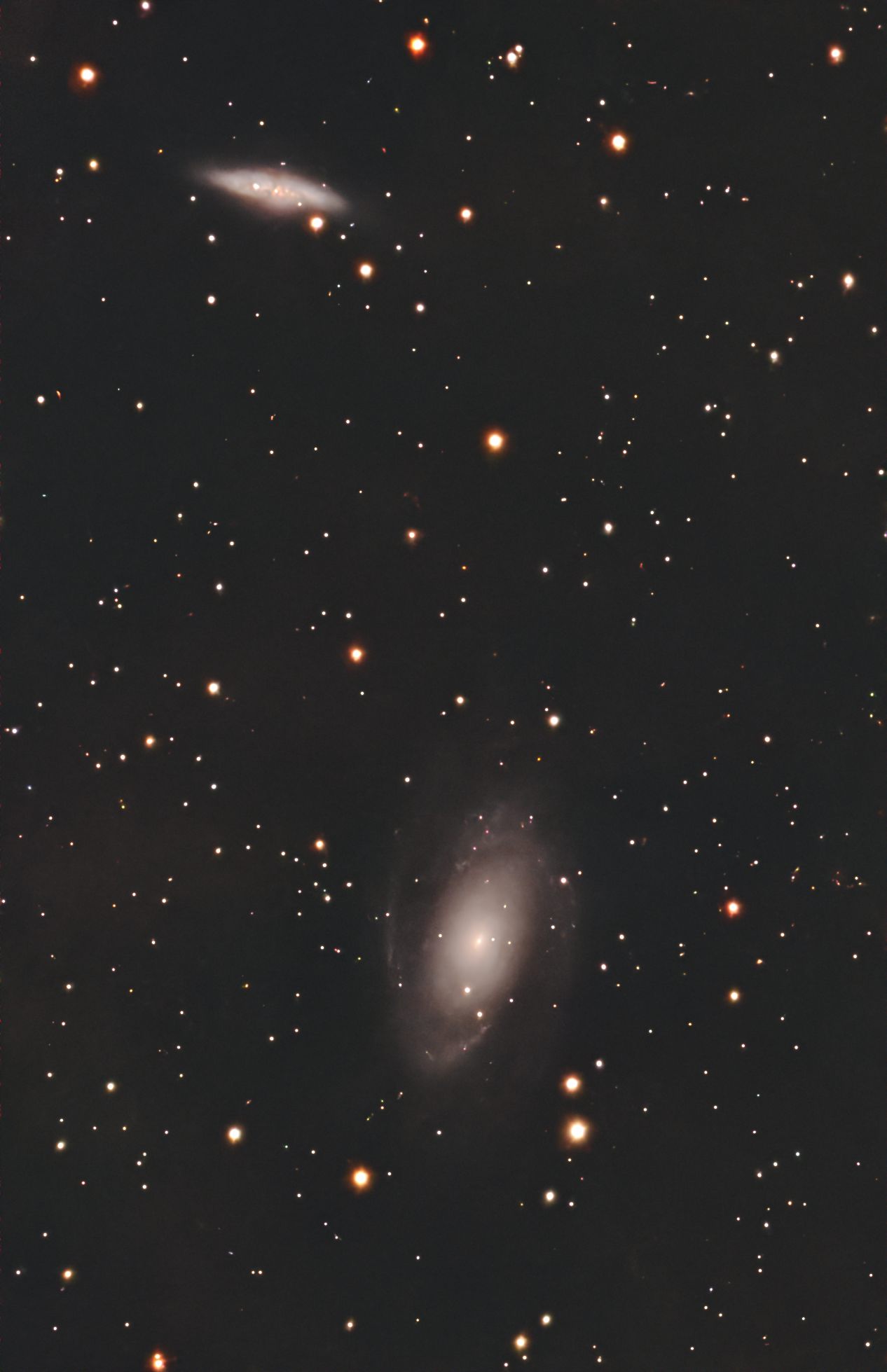
Messier 81, also known as Bode's Galaxy, is a classic grand-design spiral galaxy in Ursa Major lying about 12 million light-years away, with a disk spanning roughly 90,000 light-years.
- Details
- Hits: 179